Regional Guide
A workation in Europe is the easiest way to try working from somewhere else. As an EU citizen you do not need a visa, and everyday life works much like at home. This guide compares the European workation destinations I've selected, from city breaks to winter sun islands.
Long-haul workations are amazing, but they require more planning: jet lag, visas and big time differences. A European workation removes most of that friction. You can leave on a Friday, work from a new city on Monday and still join every team meeting at the usual time.
It is also a good way to test whether workations suit you and your team. After a week in Prague or Lisbon, you will know what you need from a stay, how you like to structure your day, and whether a longer or more distant trip is realistic.
Europe also gives you a lot of variety: big cities like Barcelona and Lisbon, compact capitals like Prague and Budapest, and islands such as Madeira and the Canaries where it is spring in January.
For every destination in this guide, I looked at the things that make or break a workation:
• Internet: fast, reliable connections in stays and coworking spaces
• Cost per day: a rough daily budget for a mid-range stay, food, coworking and local transport
• Best months: when the weather makes it worth leaving home
Costs are rough estimates for one person and change with the season, so treat them as a starting point.
Here is how the destinations I've selected compare. Each one ends with the stays I list there.

🏙️ City · 🏛️ Culture
Best months
🏙️ City · 🏛️ Culture
Best months
🏙️ City · 🏛️ Culture
Best months
🏙️ City · 🏖️ Beach · 🏛️ Culture
Best months
🏙️ City · 🏖️ Beach
Best months
 Most popular
🏙️ City · 🏖️ Beach · 🏛️ Culture
Best months
 Good weather all year
🏝️ Island · 🌿 Nature
Best months
 Good weather all year
🏝️ Island · 🏖️ Beach · 🌿 Nature
Best months
🏙️ City · 🏛️ Culture
Best months
🏙️ City · 🏛️ Culture
Best months
🏙️ City · 🌿 Nature
Best months

🏙️ City · 🌿 Nature
Best months
 Best value
🏙️ City · 🏛️ Culture
Best months
At a glance: €170–€280 per day • best April–June and September
A compact, international city where working from a café or coworking space is completely normal. Internet is excellent. The main downside is cost: since 2026, hotel stays carry 21% VAT on top of the 12.5% tourist tax.
Best for: a short city workation, or combining work with visiting colleagues and friends.
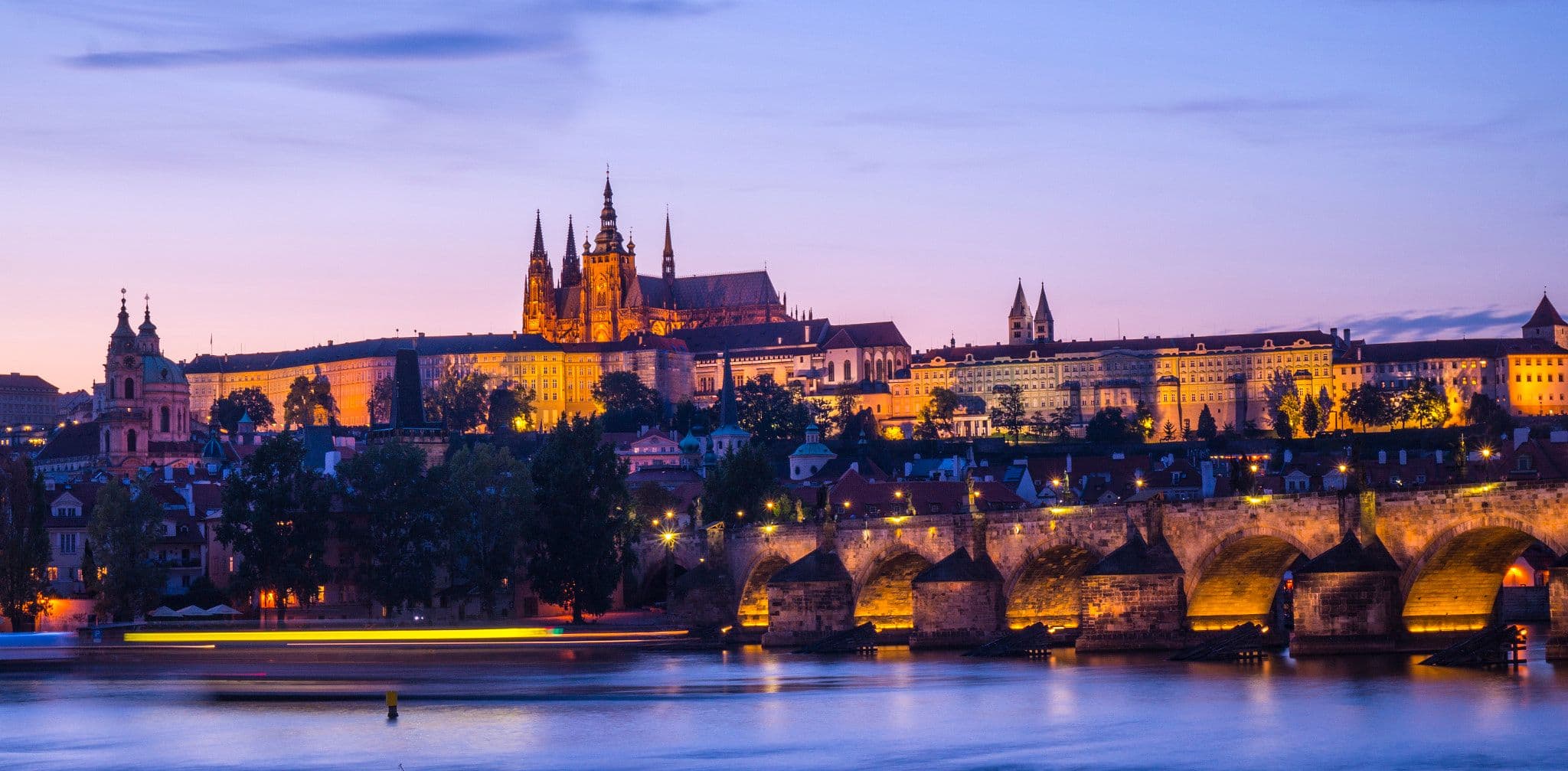
At a glance: €90–€150 per day • best April–June and September–October
One of the easiest city workations in Europe: excellent public transport and lower costs than most Western European capitals. Karlín and Vinohrady are popular with remote workers, and coworking day passes usually cost 250–500 CZK (about €10–€21).
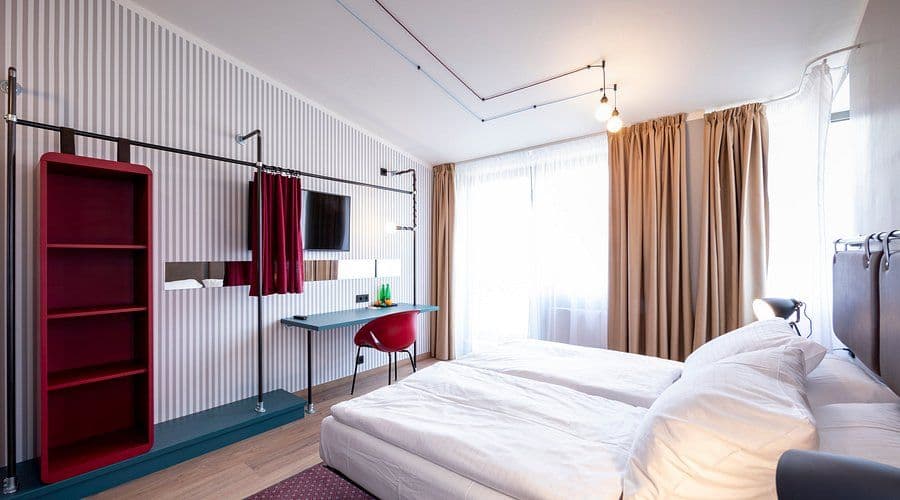
I worked from Prague and stayed at Miss Sophie's Downtown, a boutique hotel right behind the main station.
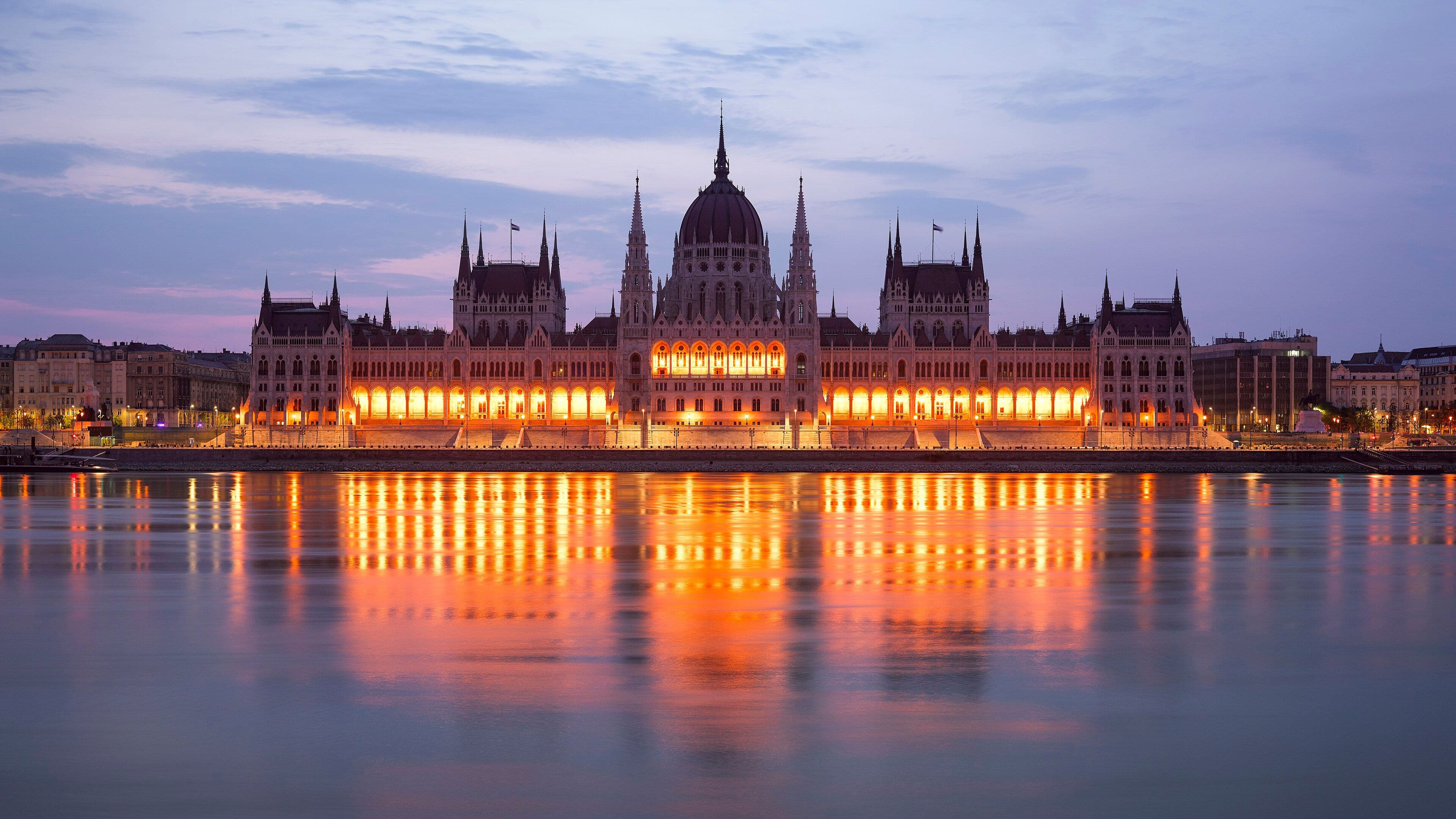
At a glance: €80–€140 per day • best April–June and September–October
A grand, affordable capital on the Danube with thermal baths, ruin bars and a lively café culture. It is a good-value alternative to Prague.
Best for: remote workers who want a big-city feel on a smaller budget.
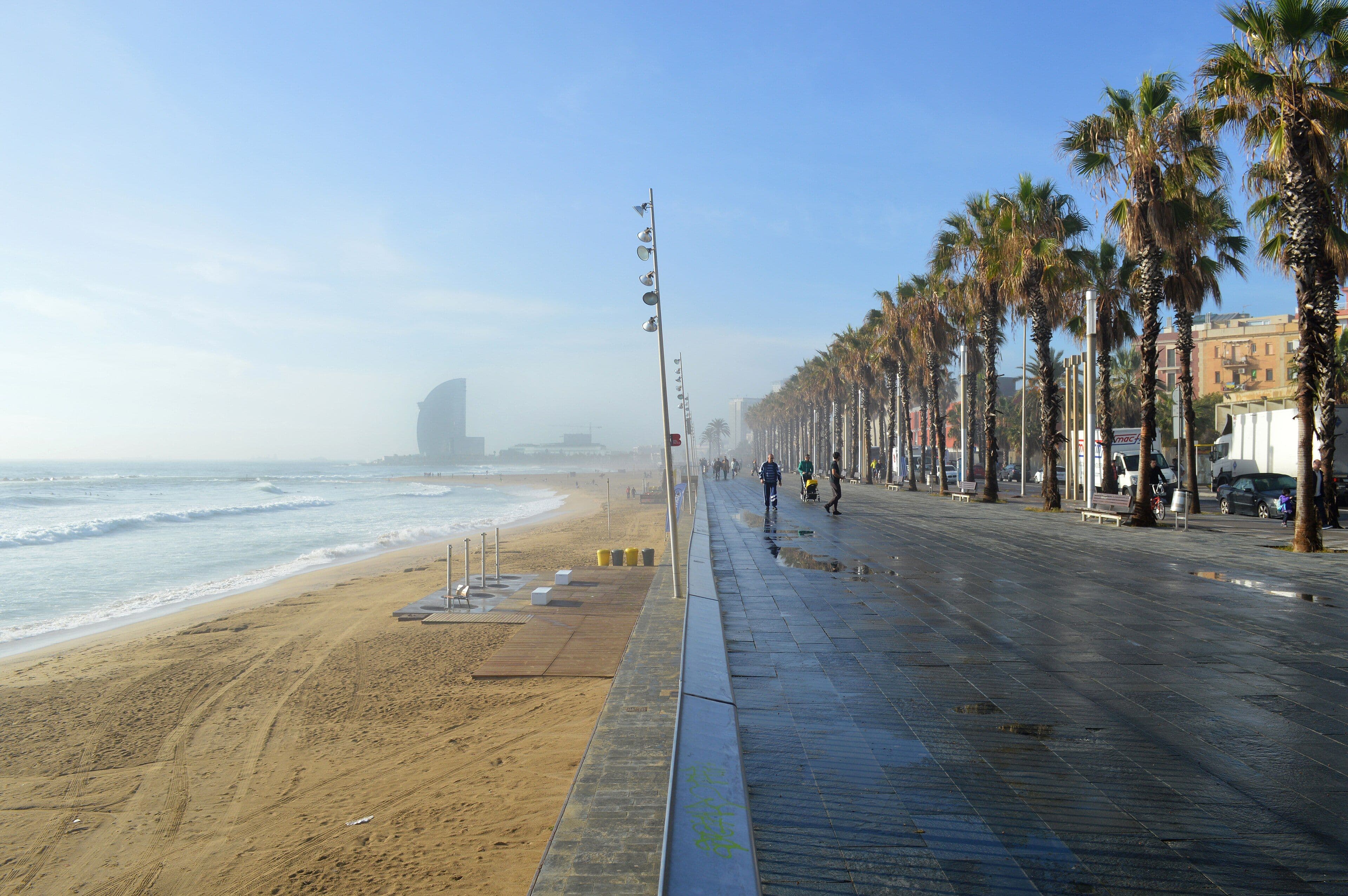
At a glance: €140–€260 per day • best April–June and September–October
Big-city energy with a beach, one of Europe's largest coworking scenes and very fast internet. Barcelona is busy and not cheap, especially after the tourist tax doubled in April 2026, but the mix of work infrastructure, food and sea is hard to beat in spring and autumn.
Best for: city lovers who want a beach after work.
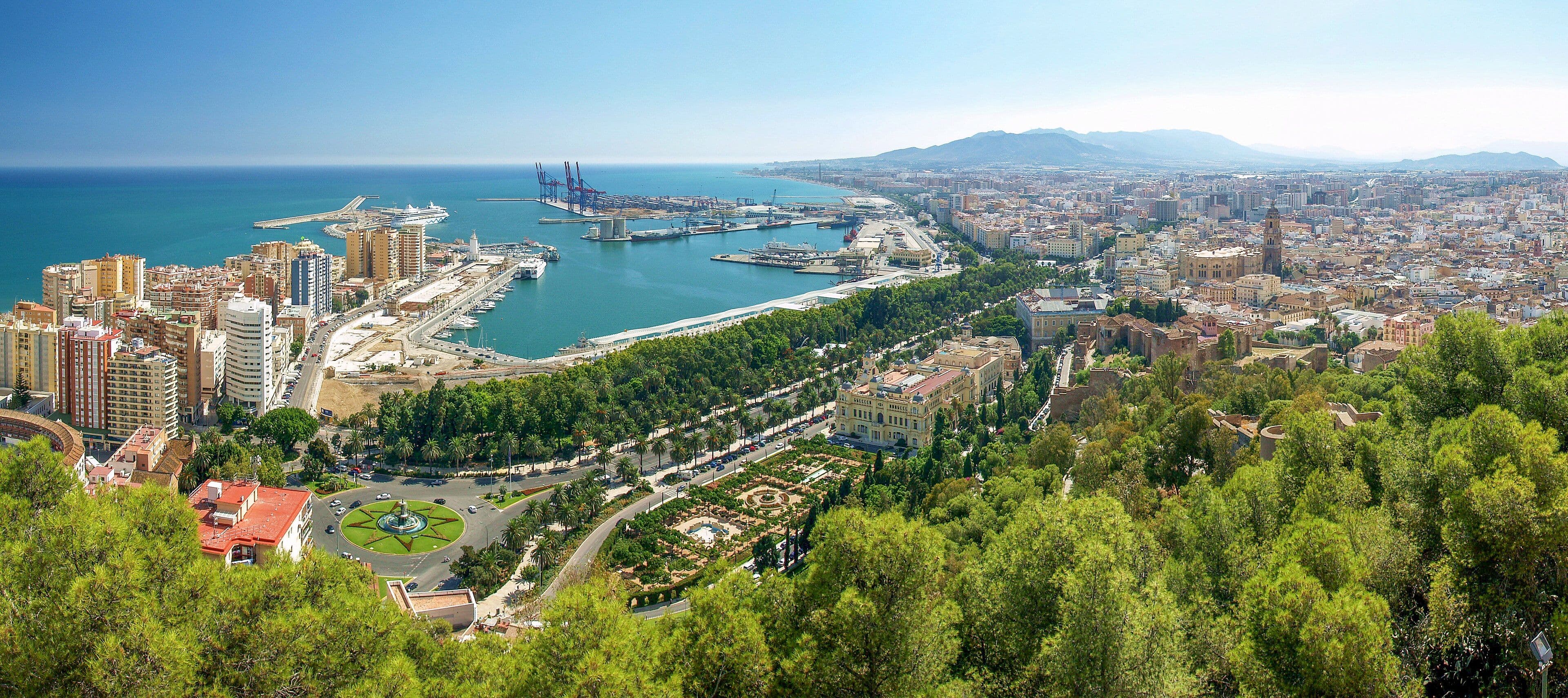
At a glance: €110–€190 per day • best October–June
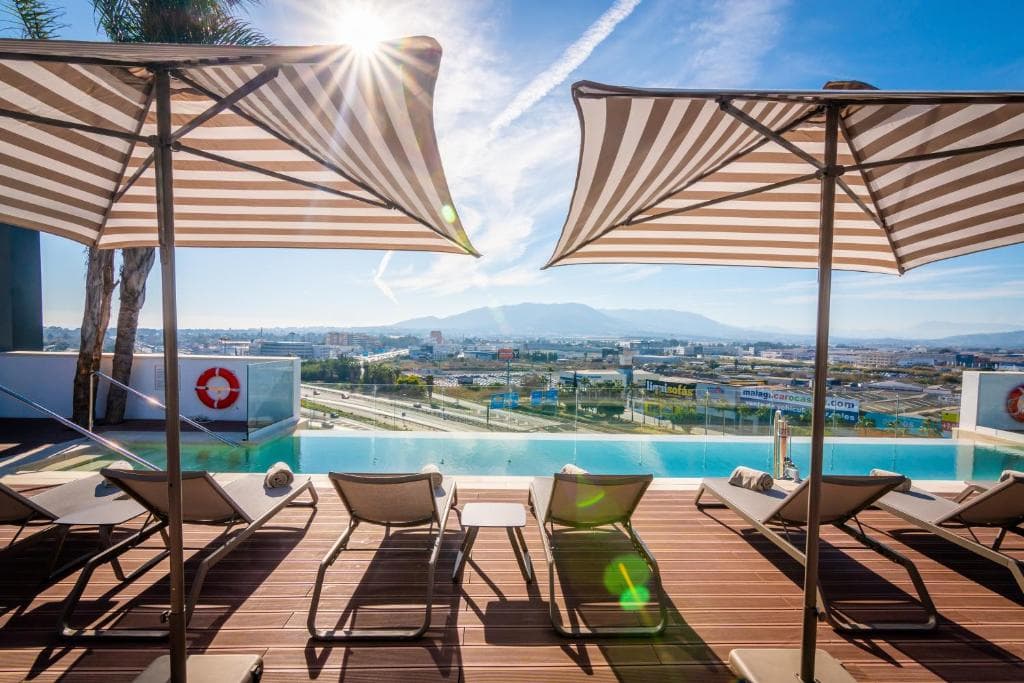
A sunny, fast-growing city on the Costa del Sol with a compact historic centre, a city beach and a growing tech scene. With mild winters, it is one of the best mainland options between October and May. Coworking day passes are relatively cheap, from about €10.
Best for: a winter base in a real city.
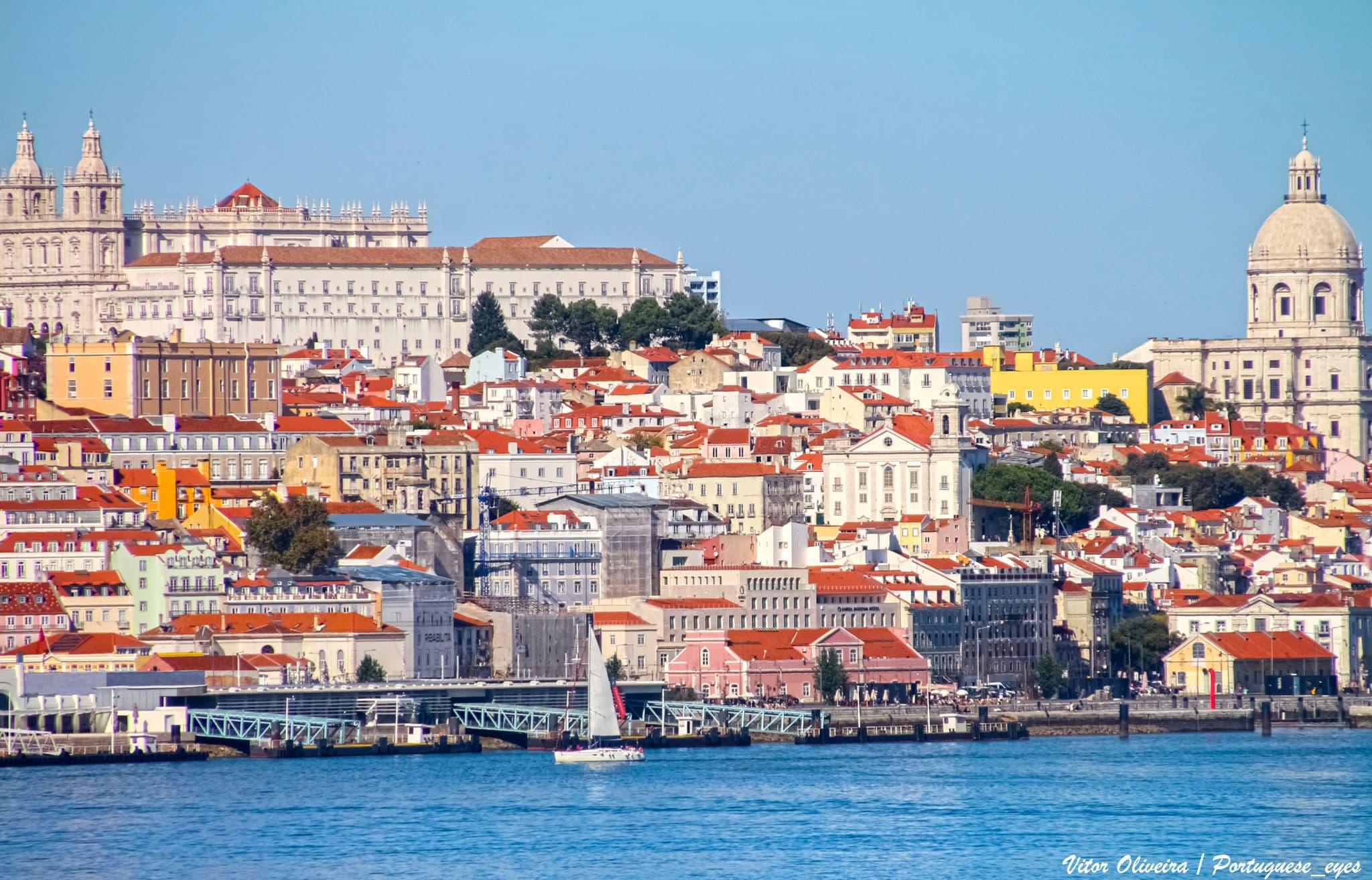
At a glance: €120–€220 per day • best April–June and September–October
Europe's best-known remote work city: a big international community, dozens of coworking spaces and the beach 40 minutes away by train. It has become busier and more expensive over the years, but it remains one of the easiest first workations.
Best for: first-time workationers and social remote workers.
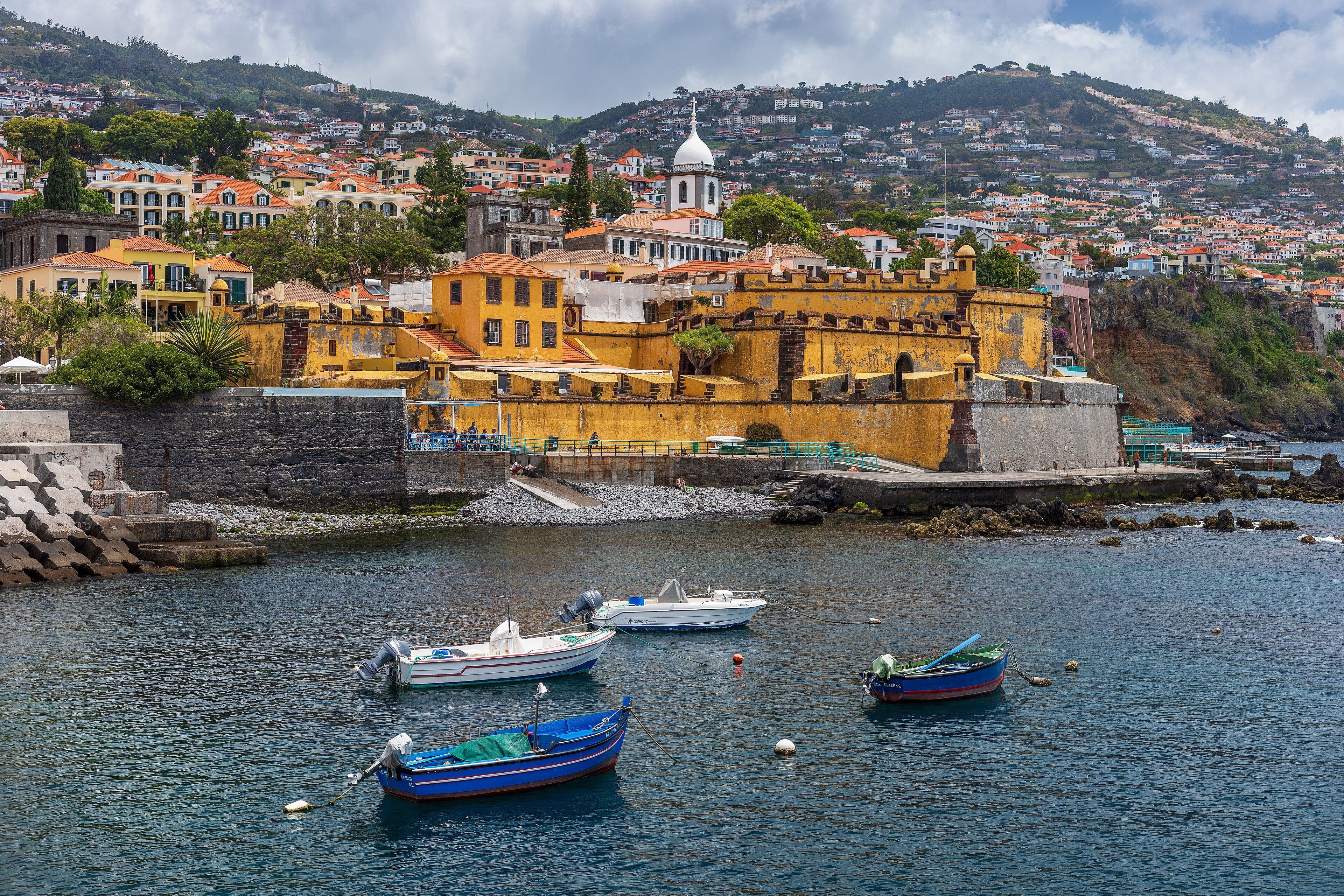
At a glance: €110–€190 per day • good all year, sunniest April–October
A mild Atlantic island with hiking trails, sea pools and a small but real remote work scene in Funchal and Ponta do Sol. Temperatures stay pleasant all year.
Best for: nature lovers and a calm routine, especially in winter.
At a glance: €100–€180 per day • best November–April
Europe's most reliable winter sun, with daytime temperatures around 20°C in January. Las Palmas de Gran Canaria is the biggest remote work hub, with coworking spaces near Las Canteras beach; Tenerife offers more variety, with a calmer, greener north.
Best for: the warmest winter in Europe. Winter is high season, so book early.
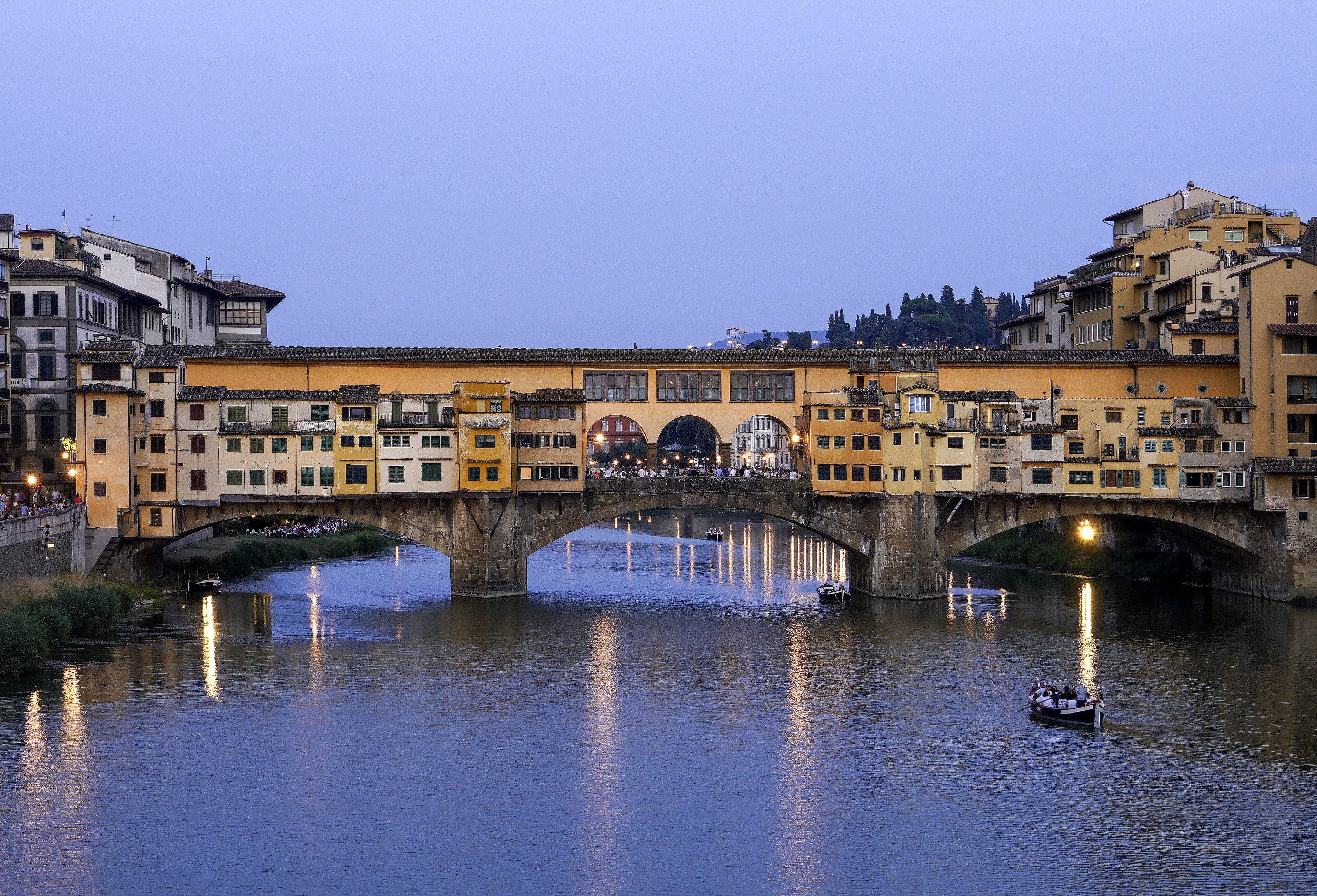
At a glance: €110–€190 per day • best April–June and September–October
Renaissance art, Tuscan food and a compact, walkable centre. Florence is at its best in spring and autumn; summer is hot and crowded.
Best for: remote workers who want culture and food, and weekends in the Tuscan countryside.
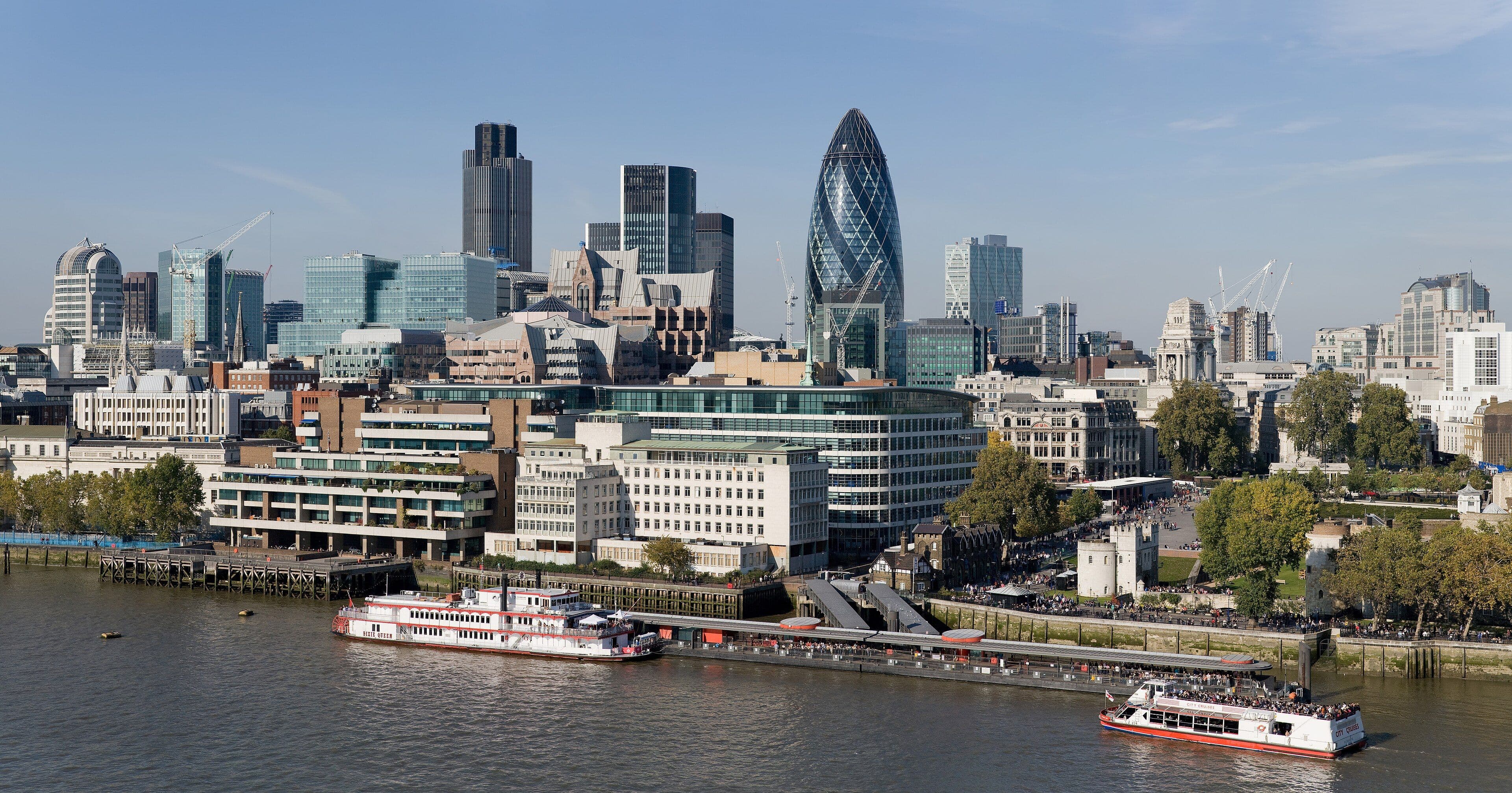
At a glance: €180–€300 per day • best May–September
A huge, international city with endless neighbourhoods, museums and coworking options. London is one of the most expensive cities in Europe. Since the UK left the EU, EU roaming no longer automatically applies, so check your mobile plan.
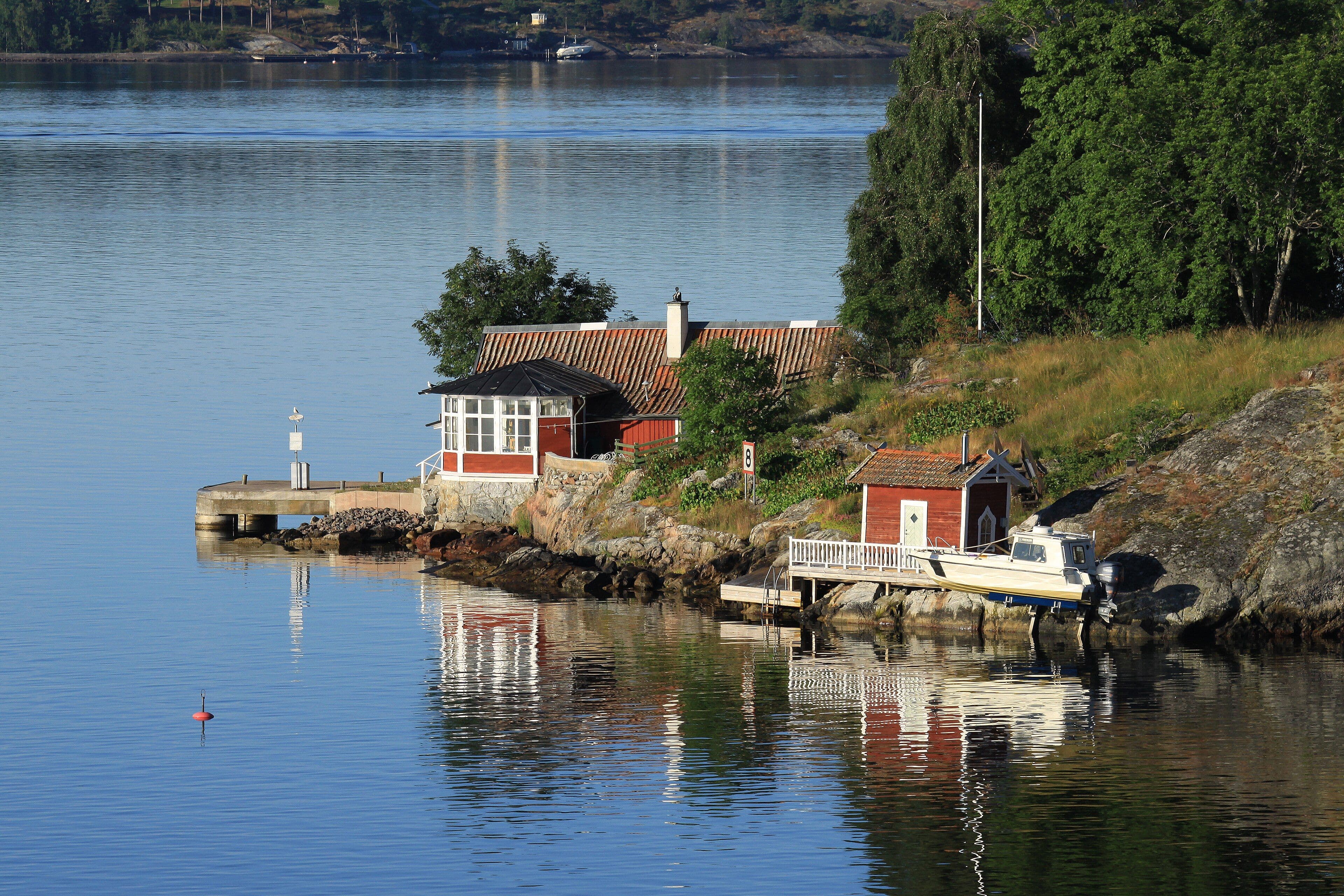
At a glance: €150–€250 per day • best May–September
Sweden is a summer workation destination: long, light days, archipelagos and very good infrastructure. Winters are dark and cold, so aim for May to September.
Best for: a summer workation with long, light evenings.
At a glance: €200–€320 per day • best May–September
Lakes, mountains and trains that run like clockwork. Switzerland is expensive, but a summer workation with hikes after work and on weekends is hard to beat. Switzerland is in Schengen but not in the EU, so check your mobile roaming.
Best for: hikers and lake lovers with a bigger budget.
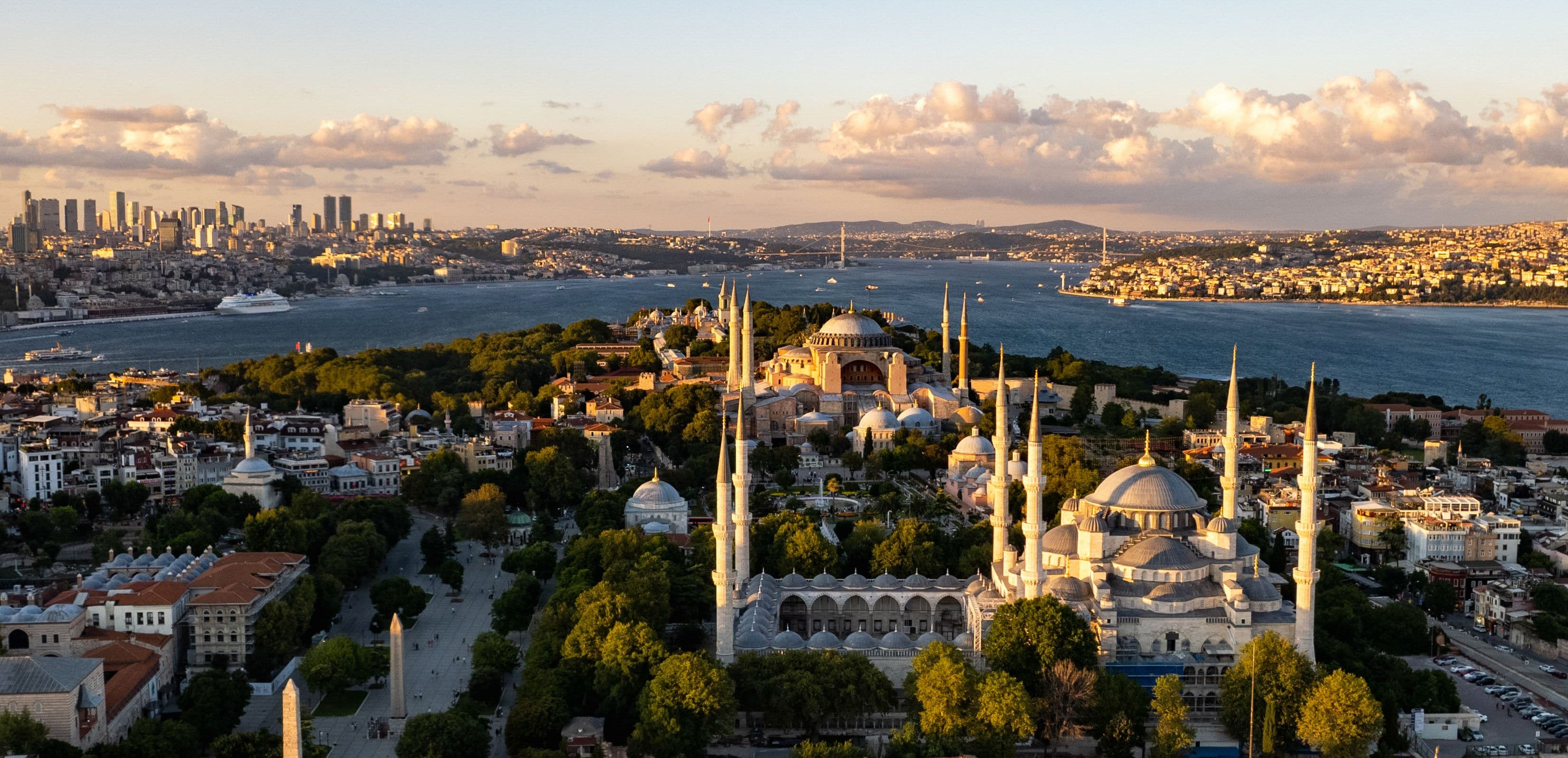
At a glance: €60–€120 per day • best April–June and September–November
Straddling Europe and Asia, Istanbul is one of the world's most exciting cities, with great food and affordable prices. EU roaming does not apply, so use an eSIM.
Best for: culture, food and the smallest budget in this list.
• Ask your employer about an A1 certificate if you work from another EU country, so you stay in your home social security system
• Check your mobile plan: EU roaming covers EU countries, but not the UK, Switzerland or Turkey by default
• Book stays with a real desk and chair; ask for a recent speed test if the WiFi matters for your calls
• Consider the train: Prague, London, Paris and many German cities are reachable by rail, and you can work on board
• Look at tourist taxes: Amsterdam, Barcelona and Lisbon all charge per night, and some have raised them recently
Lisbon or Prague. Both are easy to reach, have good internet and plenty of coworking.
The Canary Islands, Madeira and Málaga are the warmest options between November and March. See my winter sun workation guide.
Not as an EU citizen within the EU. Non-EU travellers should check Schengen rules and the new EU Entry/Exit System.
Usually yes, but check your employer's policy and ask about an A1 certificate for social security.
A week is enough for a city workation. For islands like Madeira or the Canaries, two weeks or more lets you settle into a routine and still have weekends to explore.
Istanbul, Budapest and Prague are among the most affordable; Amsterdam, London and Switzerland the most expensive.
Want sun and the sea? Explore my Southern Europe guide. Escaping winter? Read my winter sun workation guide. Ready for a long-haul adventure? See my Southeast Asia guide.