City Guide
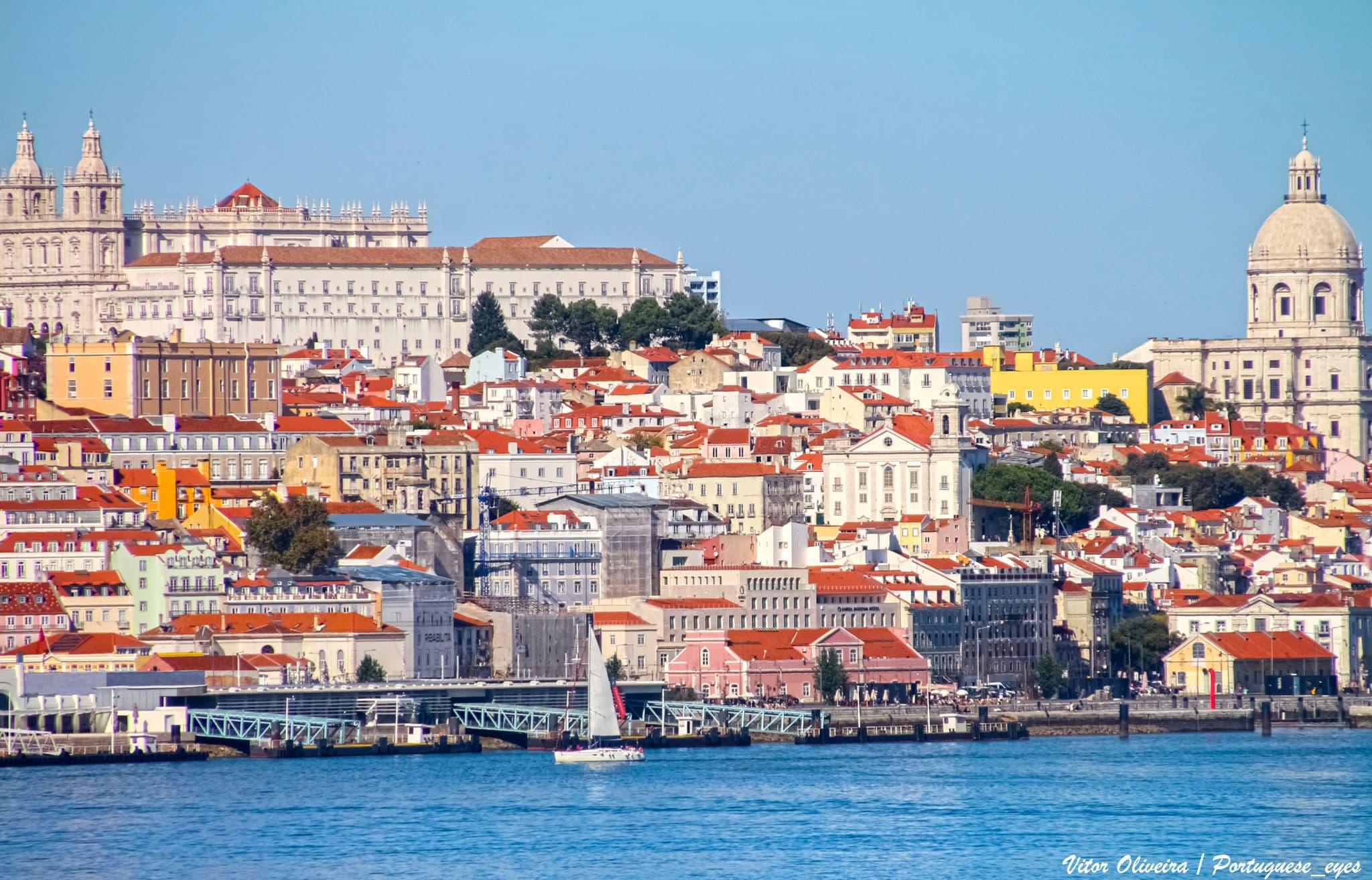
Lisbon has been one of Europe's favourite remote work cities for years, and for good reason. It is full of coworking spaces and cafés, and it gets far more sun than Northern Europe.
Best for
First-time workationers, social remote workers, city lovers
Best months
April to June and September to October
Cost per day
Roughly €120–€220 including a mid-range stay
Internet
Fast in most apartments, hotels and coworking spaces
Less suited if you are on a tight budget or want guaranteed sun in winter. Accommodation prices have risen sharply, and December to February can be wet.
Internet is rarely a problem in Lisbon. Portugal has fast internet almost everywhere, and coworking spaces and remote-work-friendly hotels usually have fast, stable connections. Café WiFi is more mixed, especially in the busy tourist areas around Baixa and Chiado.
EU roaming covers you on your normal mobile plan. For a longer stay, or if your plan's EU data allowance is small, a European eSIM gives you reliable mobile internet to share with your laptop on days when the WiFi fails.
Lisbon has dozens of coworking spaces. Day passes typically cost €15–€25, with boutique spaces on Avenida da Liberdade asking more.
Second Home Lisboa
A bright, plant-filled space above the Mercado da Ribeira in Cais do Sodré. Day passes from about €25.
Heden
A popular coworking brand with locations in central Lisbon. Hot desk day passes from about €14.
LACS
Large creative coworking spaces, including one on the waterfront in Alcântara. Day passes from about €20.
Cowork Central
A smaller, community-focused option with monthly memberships around €175. Good if you stay a month.
For laptop-friendly cafés, look in Príncipe Real, Arroios and Anjos rather than in the main tourist streets, and avoid taking calls in busy cafés during lunch.
If you stay for a month, compare monthly memberships: they often cost less than ten day passes and give you a fixed desk and community events.
Arroios and Anjos
Local, multicultural and a bit more affordable, with good metro links and plenty of cafés. A good base for a longer stay.
Príncipe Real and Santos
Leafy, stylish and calm in the evenings. More expensive, but pleasant to walk around after work.
Saldanha and Avenidas Novas
A business district with wide streets, good transport and quieter nights. Practical if you care more about sleep and calls than about nightlife.
Cais do Sodré
Central and close to the river and trains to the coast, but lively and noisy at night.
Two Lisbon stays I list: Exe Saldanha, a business hotel in Saldanha, and Goodmorning Solo Traveller Hostel, a hostel aimed at solo travellers near Restauradores. If you are considering a hostel, read my honest experience of working from a hostel first.
A rough week for one person with a mid-range stay, excluding flights:
Stay
€600–€1,100
For a hotel room or studio with a desk
Food
€180–€280
Coworking
€75–€125
For five day passes
Transport
€15–€30
On metro, trams and the occasional Uber or Bolt
Also budget for
Lisbon is one hour behind Central Europe, so days start a little earlier and end with free, light evenings.
Dec–Feb
Mild (around 15°C by day) but rainy; quiet and cheaper
Mar–May
Spring sun, comfortable temperatures, one of the best periods
Jun–Aug
Hot, busy and more expensive; June has the Santo António festivities
Sep–Oct
Warm sea, fewer crowds, excellent for a workation
Nov
Rain returns, but prices drop
Lisbon's airport is close to the city and connected to the red metro line; a single metro ticket costs €1.90 on a rechargeable Navegante card (€0.50).
Around town, the metro covers most neighbourhoods. Trams and funiculars are charming but slow and crowded. Uber and Bolt are cheap for late evenings. Trains from Cais do Sodré take you to Cascais and the beaches in about 40 minutes.
Portugal is in the EU and Schengen, so EU citizens can stay with a valid passport or ID card, without registering for short stays. If your employer is in another EU country, ask about an A1 certificate before you go. Non-EU remote workers who stay longer can look into Portugal's digital nomad visa.
Catch the sunset at a miradouro. Senhora do Monte has one of the widest views over the city; Santa Catarina is more social, with people gathering on the steps.
Take the train to the beach. From Cais do Sodré, trains run along the coast to Carcavelos, a popular surf beach, and Cascais in about 40 minutes.
Spend a Saturday in Sintra. The palaces and forests of Sintra are about 40 minutes by train from Rossio station; go early to beat the crowds.
Eat at the Time Out Market. The food hall in the Mercado da Ribeira is right below Second Home, handy after a day of coworking.
Listen to fado. The traditional Portuguese music is performed in small restaurants and bars in Alfama and Mouraria most evenings.
Yes, although it is busier and more expensive than a few years ago. The infrastructure for remote work is among the best in Europe.
Usually €15–€25, and more in premium spaces.
It is mild, but winter brings a lot of rain. For more reliable winter sun, look at Madeira or the Canary Islands.
Very, with many steep streets and steps. Pack comfortable shoes, and check how steep the walk is between your stay, your coworking space and the nearest metro station.
Arroios and Anjos for value and local life, Príncipe Real for calm and style, Saldanha for practicality.
Lisbon is part of my Portugal guide, together with Porto and Madeira. For winter, compare it with other warm options in my winter sun workation guide, or see all Southern Europe destinations.