Country Guide
Portugal has become one of Europe's most popular countries for remote work. It has fast internet almost everywhere, a mild climate, and three very different bases: Lisbon, Porto and the island of Madeira.
Best for
First-time workationers and anyone who wants sun without leaving the EU
Best months
April to June and September to October on the mainland; Madeira works all year
Cost per day
Roughly €100–€220 including a mid-range stay
Internet
Fast almost everywhere, including hotels and coworking spaces
Less suited if you want guaranteed sun on the mainland in winter. Lisbon and especially Porto can be rainy from November to February.
Portugal gives you three very different bases. Here is how they compare, with where to work and where to stay in each, followed by the stays I list there.
Portugal's café culture is relaxed, and a coffee costs around €1 in most places outside the tourist hotspots, so working from a pastelaria for an hour is easy. For calls, stick to coworking spaces or your room.
 Most popular
🏙️ City · 🏖️ Beach · 🏛️ Culture
Best months
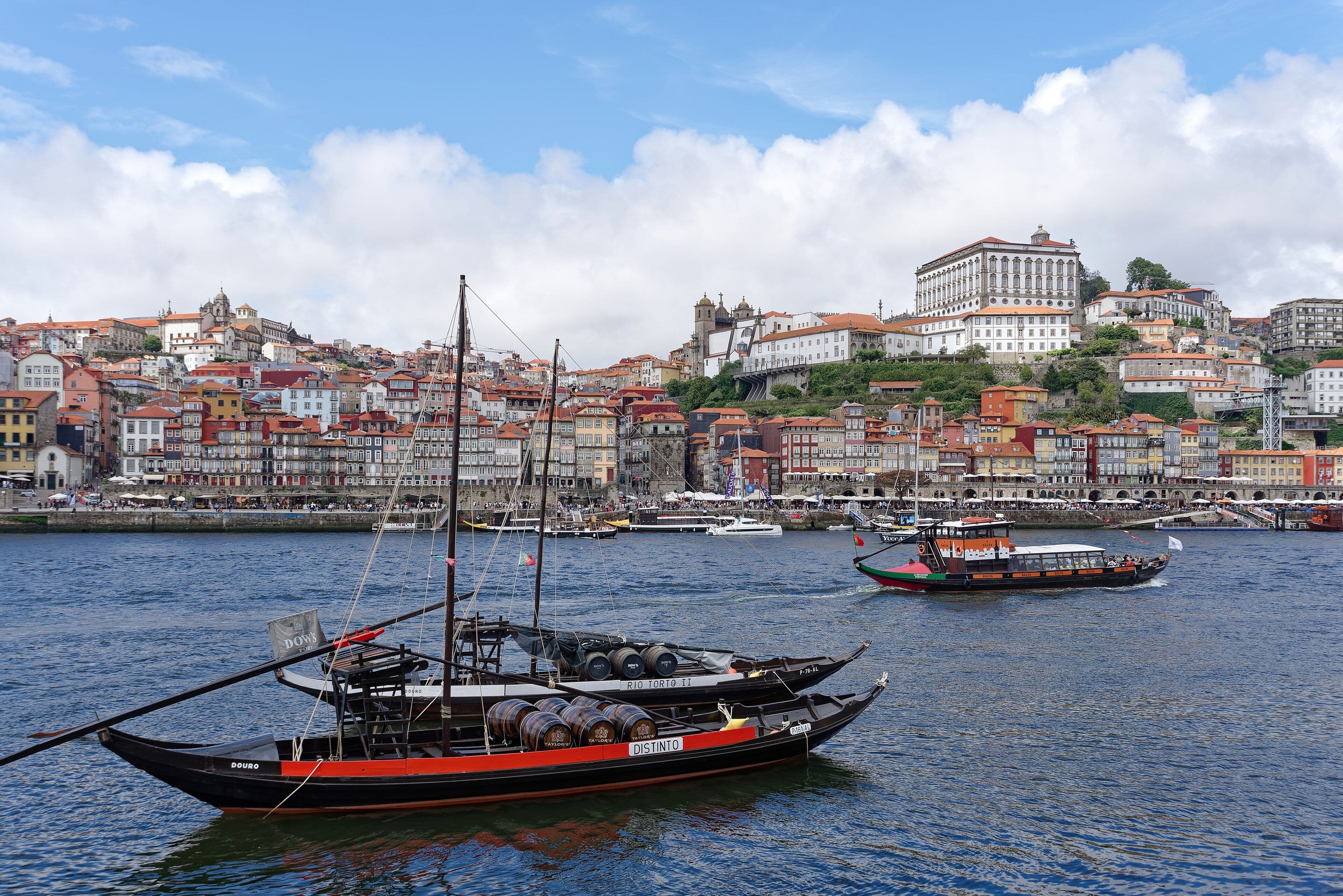 Best value
🏙️ City · 🏛️ Culture
Best months
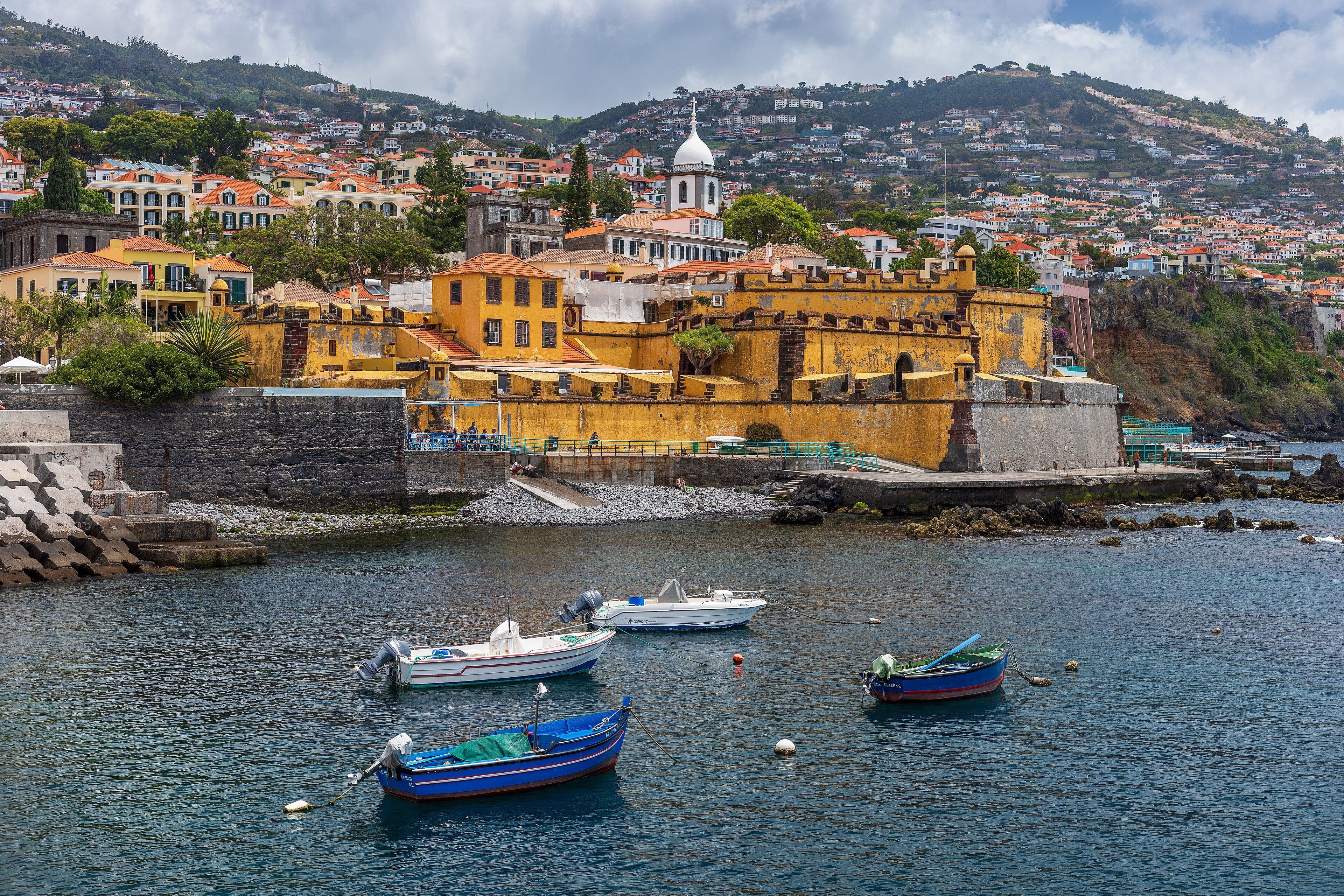 Good weather all year
🏝️ Island · 🌿 Nature
Best months
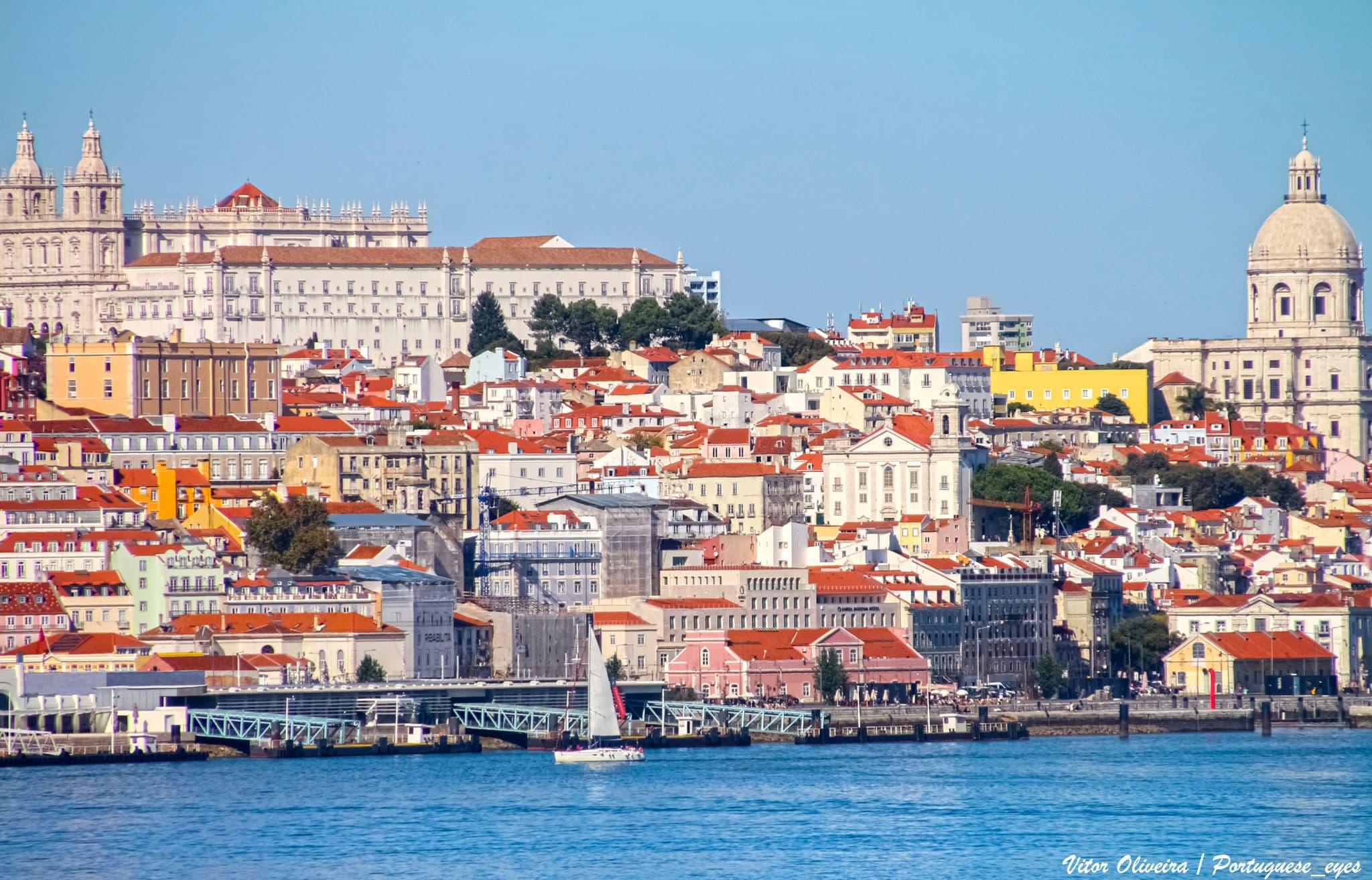
The capital and remote work hotspot. The most coworking spaces, the biggest community, great food and the beach within 40 minutes by train. Also the busiest and most expensive.
Best for
First-time workationers and social remote workers
Where to work
Second Home Lisboa (day pass from about €25), Heden (from about €14) and LACS (from about €20)
Where to stay
Arroios and Anjos for value and local life, Príncipe Real for calm, Saldanha for practicality
Smaller, more compact and a little cheaper, with a beautiful riverside old town. Rainier than Lisbon in winter, lovely from June to September.
Best for
A relaxed city workation with a bit more value
Where to work
The Social Hub Porto (day passes around €19), Work Wise and Outsite Bonfim (from around €12–€15); Porto i/o has closed its physical space
Where to stay
Cedofeita and Bonfim, local bases close to the centre
A mild Atlantic island for nature lovers. Hiking, sea pools and sunsets instead of nightlife, with a small but real remote work scene.
Best for
Nature lovers and winter sun seekers
Where to work
Cowork Funchal (from about €12 plus VAT) and the coworking space in Ponta do Sol, where the Digital Nomad Village started
Where to stay
Funchal is the most practical base, Ponta do Sol the most sociable for remote workers
Portugal has some of the best internet in Europe, available almost everywhere. Hotels, apartments and coworking spaces aimed at remote workers usually have fast, stable connections. Mobile internet is strong in cities and along the coast, weaker in some mountain areas in Madeira.
EU residents can use their normal mobile plan under EU roaming rules. A European eSIM is a good backup if your plan's data abroad is limited. Read my guide to eSIMs for workations.
A rough week for one person with a mid-range stay, excluding flights:
Stay
€500–€1,100
Highest in Lisbon
Food
€150–€280
Coworking
€60–€125
For five day passes
Transport
€15–€40
In the cities; a car in Madeira costs more
Also budget for
Portugal is cheaper than Northern Europe for food and transport, but accommodation in Lisbon has become expensive. Porto and Madeira usually offer better value.
Portugal is one hour behind Central Europe, which means early starts and long, light evenings in summer.
Nov–Feb
Mild but rainy on the mainland, especially in Porto; Madeira stays around 16–19°C
Mar–May
Spring, one of the best times for Lisbon and Porto
Jun–Aug
Warm to hot, busiest and most expensive
Sep–Oct
Warm sea and fewer crowds, perfect for a workation
Lisbon, Porto and Funchal (Madeira) all have international airports with direct flights from across Europe. Lisbon and Porto are about three hours apart by train. In Lisbon and Porto, the metro connects the airport with the city.
In Lisbon, a Navegante card gives you access to the metro, trams, buses and suburban trains; a single metro ticket costs around €1.90. Porto has a compact metro that also runs to the airport. Uber and Bolt are widely used and cheap by Northern European standards.
In Madeira, buses cover the coast but are slow for the mountains, so rent a car for a few days if you want to hike.
Portugal is in the EU and Schengen area. EU citizens only need a valid ID card or passport. If your employer is in another EU country, ask about an A1 certificate. Non-EU remote workers can look into Portugal's digital nomad (D8) visa for longer stays.
Catch the sunset from a Lisbon viewpoint. Miradouro da Senhora do Monte and Miradouro de Santa Catarina are local favourites.
Take the train from Lisbon. Sintra's palaces and forests and the beach town of Cascais are both around 40 minutes away by train.
Taste port wine in Porto. Cross the Dom Luís I bridge to Vila Nova de Gaia, where the old port cellars offer tours and tastings.
Walk a levada in Madeira. The island's old irrigation channels have become walking trails through forests and along cliffs.
Learn to surf. Ericeira, a World Surfing Reserve about an hour from Lisbon, and Carcavelos, on the train line to Cascais, both have surf schools.
Lisbon for more coworking, community and sun; Porto for a smaller, slightly cheaper and more relaxed city.
The mainland is mild but rainy in winter. For reliable winter sun, Madeira is the better choice.
Yes, in cities and remote-work-friendly stays the internet is fast and reliable. In Madeira, avoid planning important calls from the mountains, where mobile signal can drop.
Yes. The train between Lisbon and Porto takes around three hours, and many remote workers spend a week in each city.
Not in Lisbon or Porto. In Madeira, a few days with a car makes exploring much easier.
Go deeper with my Lisbon and Madeira guides. Portugal is part of my Southern Europe guide, and both Lisbon and Madeira feature in my winter sun workation guide.