City Guide
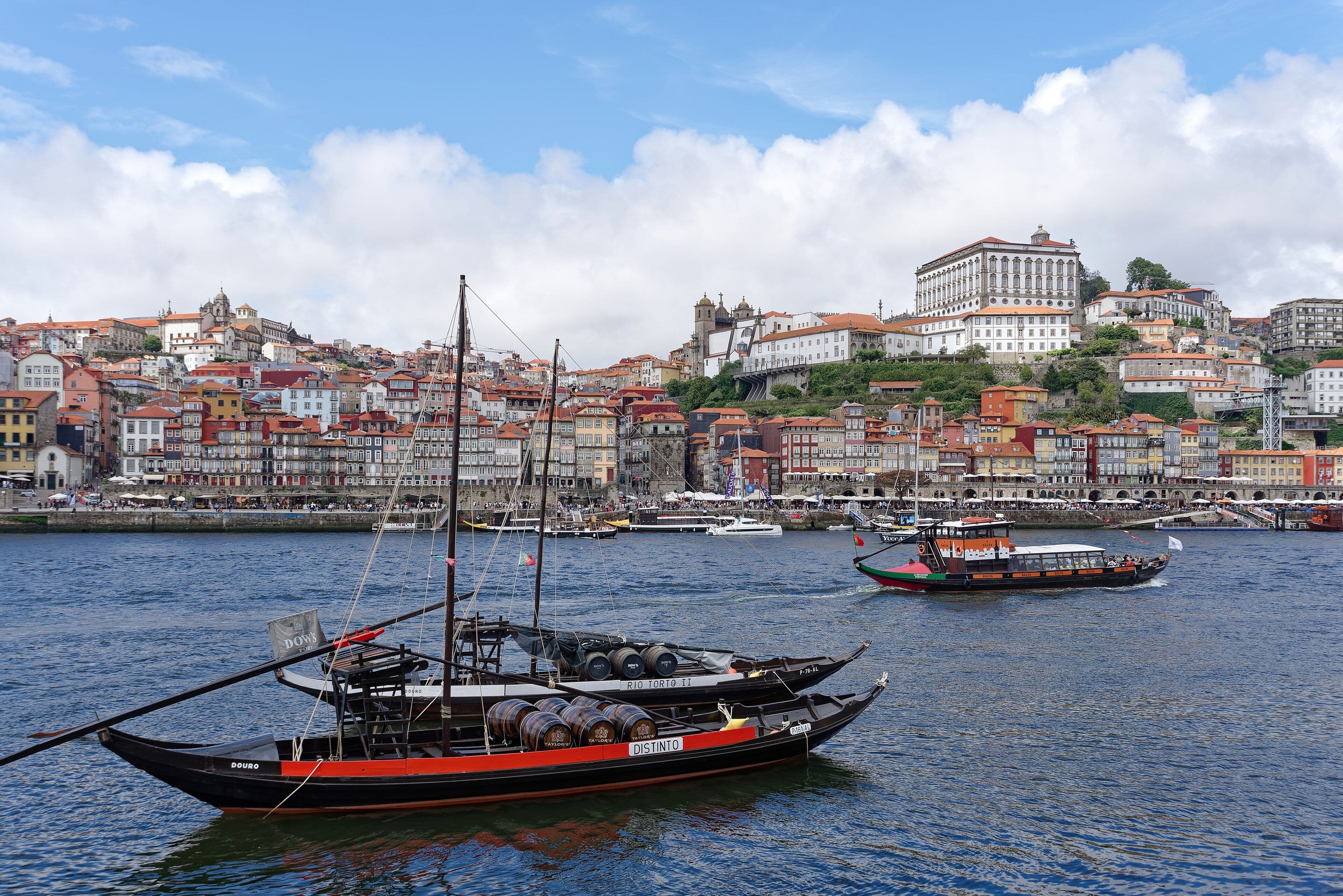
Porto is Portugal's second city: compact, hilly and built around the Douro river, with a beautiful old town, great food and lower prices than Lisbon. It has a smaller remote work scene, which many people see as a plus.
Best for
Remote workers who want a beautiful, walkable city with a bit more value than Lisbon
Best months
May to September
Cost per day
Roughly €90–€150 including a mid-range stay
Internet
Fast in hotels, apartments and coworking spaces
Less suited if you want winter sun. Porto is one of the rainiest cities in Portugal from November to February, and many older homes have no heating.
Internet is rarely a problem in Porto. Portugal has fast internet almost everywhere, and hotels, apartments and coworking spaces aimed at remote workers usually have fast, stable connections. In old stone buildings in the historic centre, WiFi can be weaker between rooms, so check that your desk is where the signal is good.
EU roaming covers you on your normal mobile plan. If your plan's EU data allowance is small, a European eSIM gives you reliable mobile internet to share with your laptop on days when the WiFi fails. Read my guide to eSIMs for workations.
Porto has fewer coworking spaces than Lisbon, but they are cheaper. Day passes usually cost €12–€20.
The Social Hub Porto
A hotel and coworking space in one building in Baixa, close to Praça da Liberdade. Day passes around €19.
Work Wise
A smaller, quiet space with day passes around €12; book your day in advance.
Outsite Cowork Café
A café-style coworking space in Bonfim, with day passes around €15.
Porto i/o, for years the best-known coworking space in the city, has closed its physical space, so ignore older guides that still recommend it. For a month, compare monthly memberships: spaces such as Facts in Boavista cost roughly €90–€100 a month.
Cafés in Cedofeita and Bonfim are relaxed places to work for a few hours. For calls, a coworking space or your room is better.
Baixa
The central downtown around Avenida dos Aliados and Rua Santa Catarina. Everything is within walking distance, but it is busy and can be noisy at night.
Cedofeita
A creative, local neighbourhood just west of the centre, with galleries, cafés and small shops. A good balance of calm and convenience.
Bonfim
A residential area east of the centre, a bit more affordable, with a growing number of cafés and remote workers.
Boavista
The business district, with modern buildings, wide streets and good metro links. Practical if you care more about quiet nights than about charm.
Foz do Douro
Where the river meets the ocean: calm, green and by the sea, but further from the centre.
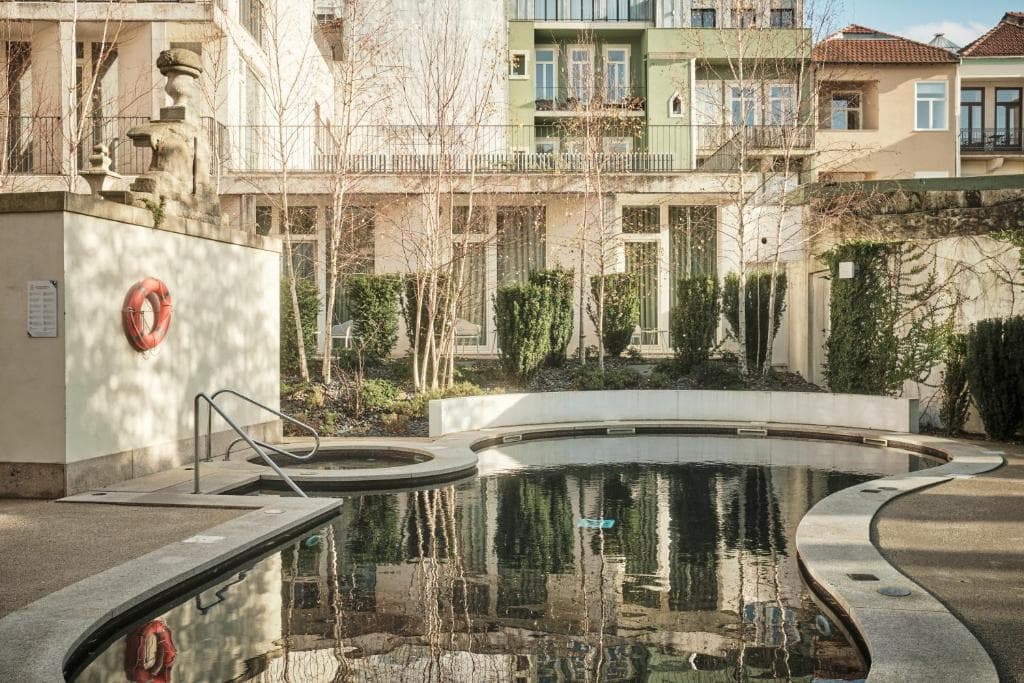
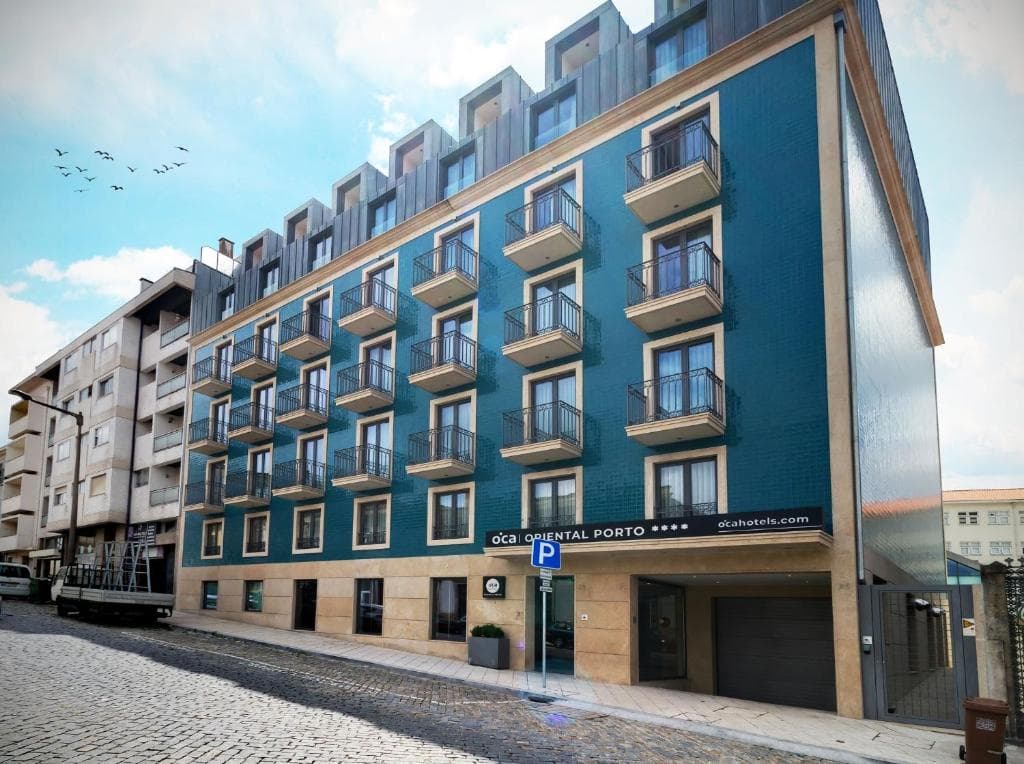
Three stays I list in Porto. Wherever you book, check for a real desk, reviews that mention the WiFi, and heating if you go in winter.
A rough week for one person with a mid-range stay, excluding travel:
Stay
€450–€800
For a hotel room or studio with a desk
Food
€150–€220
Mixing cafés and bakeries with dinners out
Coworking
€60–€100
For five day passes
Transport
€15–€30
On the metro and buses, plus the odd Uber or Bolt
Also budget for
Eating out is good value by Northern European standards. Accommodation is cheaper than in Lisbon, but prices rise in summer and around the São João festival in June.
Porto is on the same time as London and Lisbon, one hour behind Central Europe.
May–Jun
Warm, green and lively, with the São João festival on the night of 23 June
Jul–Sep
The warmest and driest months, rarely too hot thanks to the Atlantic; busiest with tourists
Oct
Often still pleasant, with the first autumn rain
Nov–Mar
Mild but rainy and grey, with cold homes; fine if you mostly work indoors
Porto airport is connected to the centre by metro line E, which takes about 25 minutes to Trindade. You need a Z4 ticket, around €2.30. Buy a reusable Andante card and top it up for the metro and buses.
The centre is walkable, but very hilly, so bring comfortable shoes. Uber and Bolt are cheap by Northern European standards. Trains to Lisbon take about three hours, which makes it easy to combine both cities in one trip.
Porto is in Portugal, part of the EU and the Schengen area. EU citizens only need a valid ID card or passport. If you work remotely for an employer in another EU country, ask your employer about an A1 certificate: it confirms you stay in your home country's social security system while you work abroad.
Cross the Dom Luís I bridge to Vila Nova de Gaia for a port wine tasting in one of the old cellars
Watch the sunset over the river from the Ribeira or the Jardim do Morro
Walk or take the tram along the river to Foz and the ocean
Visit the Serralves museum and its gardens
Save a weekend for a day trip to the Douro Valley vineyards
Yes. Internet is fast, coworking spaces are cheaper than in Lisbon and the city is compact and easy to live in. The main drawback is rain from November to February.
Lisbon for more coworking, community and sun; Porto for a smaller, slightly cheaper and more relaxed city.
No, Porto i/o has closed its physical space. The Social Hub Porto, Work Wise and Outsite Cowork Café are good alternatives.
No. The metro, buses and ride-hailing apps cover everything; rent a car only for a trip to the Douro Valley.
Not by Western European standards. Expect roughly €90–€150 per day with a mid-range stay, food and coworking.
Porto is part of my Portugal guide, next to Lisbon and Madeira. Compare it with the rest of the region in my Southern Europe guide, or read my Lisbon guide if you want to combine both cities.