Collection
From November to March, much of Northern and Central Europe gets dark by five and the sun hardly shows. A winter sun workation lets you keep your normal job and swap grey afternoons for walks by the sea. This guide compares the best places in and around Europe to work from in winter, with one long-haul option for when you want real summer.
Winter is when a workation makes the biggest difference. Daylight and mild temperatures make it easier to go outside before or after work, and many destinations are quieter and cheaper than in summer.
A winter workation can also be good for your energy. More daylight, a walk by the sea at lunchtime and dinner outside in the evening make the dark months at home feel much shorter, without using up your holiday days.
Be realistic about the weather, though. Southern Europe in January is mild, not tropical. Expect around 15–21°C by day depending on where you go, cool evenings and some rainy days. Only the Canary Islands and Cape Town are reliably warm enough for the beach.
• Winter weather: average daytime temperatures, sunshine and rain from November to March
• Internet and coworking: good enough for a normal workweek
• Cost per day: a rough daily budget for one person with a mid-range stay
Here is how the winter sun destinations compare. Each one ends with the stays I list there.
 Good weather all year
🏝️ Island · 🏖️ Beach · 🌿 Nature
Best months
 Good weather all year
🏝️ Island · 🌿 Nature
Best months
🏙️ City · 🏖️ Beach
Best months
🏙️ City · 🏛️ Culture
Best months
 Most popular
🏙️ City · 🏖️ Beach · 🏛️ Culture
Best months
 Best value
🏙️ City · 🏖️ Beach · 🌿 Nature
Best months
🏙️ City · 🏖️ Beach · 🌿 Nature
Best months
At a glance: around 20°C in January • €100–€180 per day • the warmest option in Europe
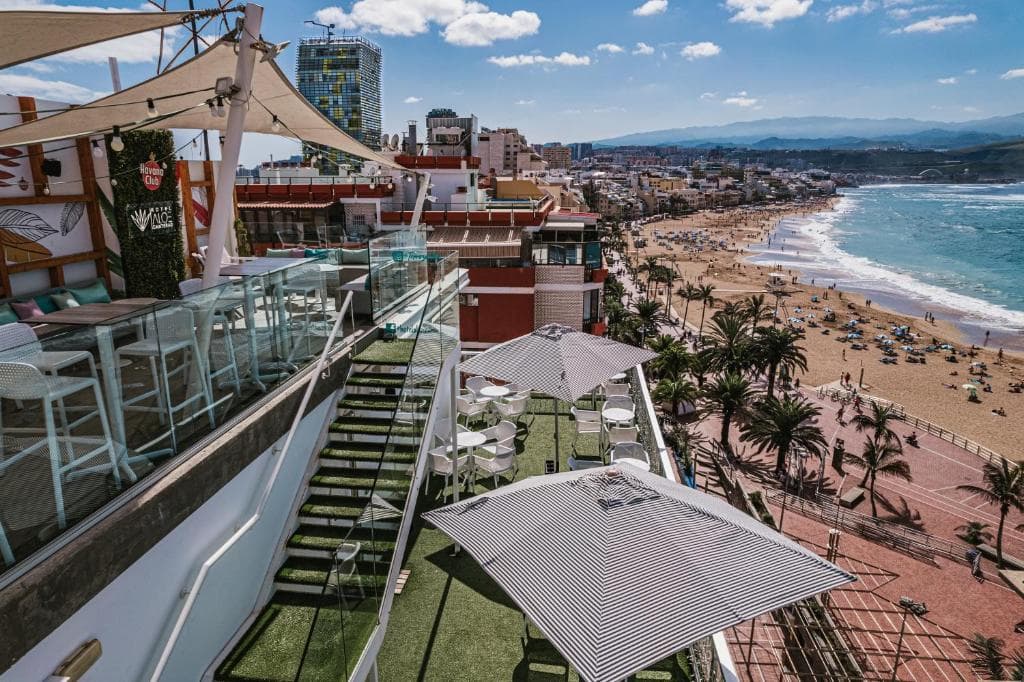
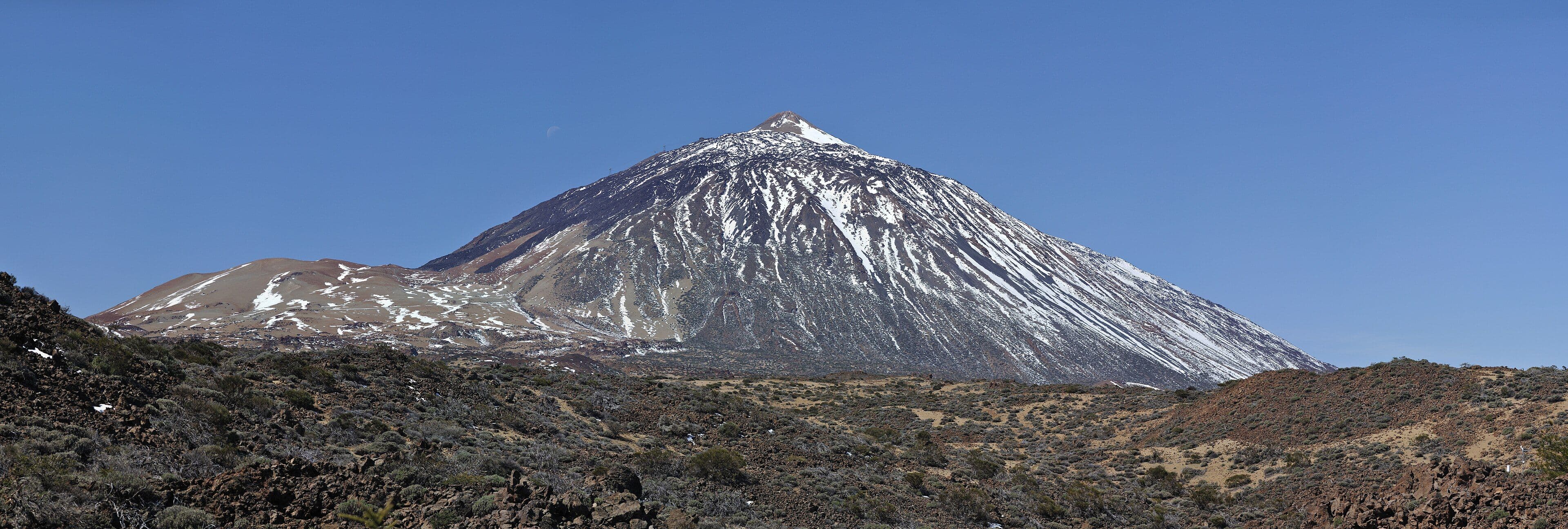
The most reliable winter sun in Europe, with coastal daytime temperatures around 18–21°C from December to February. Las Palmas de Gran Canaria is the largest remote work hub, with coworking spaces near Las Canteras beach and a big international community. Tenerife is bigger and more varied, with a calmer, greener north around La Laguna.
Winter is high season, so book early, especially around Christmas and Carnival in February.
Best for: the warmest winter in Europe and a big remote work community. Watch out for: clouds in Las Palmas and northern Tenerife, and apartments without heating on cool evenings.
At a glance: around 18–19°C by day • €110–€190 per day • January and February are the wettest months
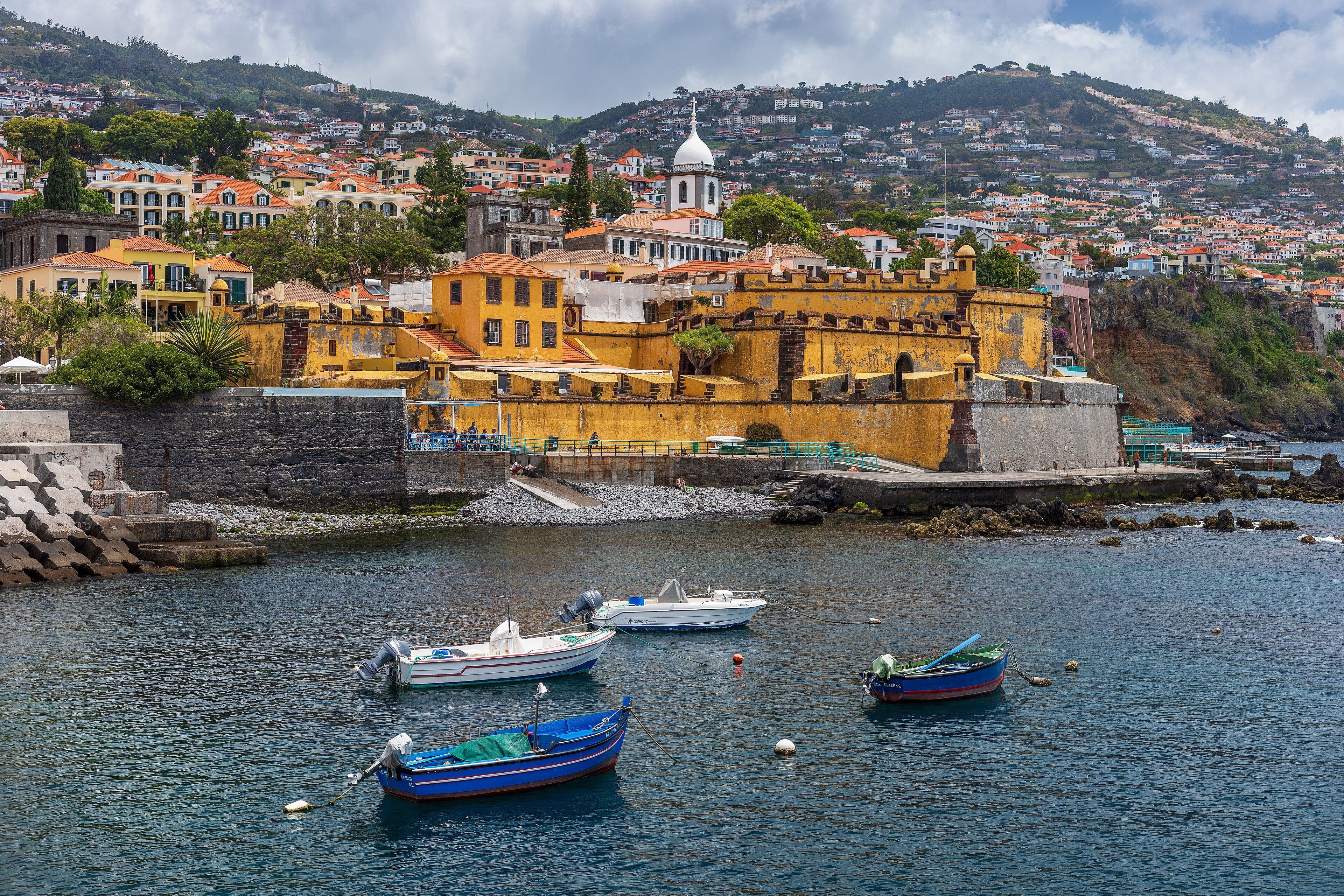
A green Atlantic island with mild temperatures all year, around 16–19°C in January. Winter brings more showers than summer, but they are often short. Remote workers base themselves in Funchal or in Ponta do Sol, where the Digital Nomad Village started. Hiking the levada trails on weekends is one of the highlights.
Best for: nature lovers and remote workers who want a calm routine. Watch out for: more rain in January and February, and the occasional flight delay due to strong winds at Madeira airport.
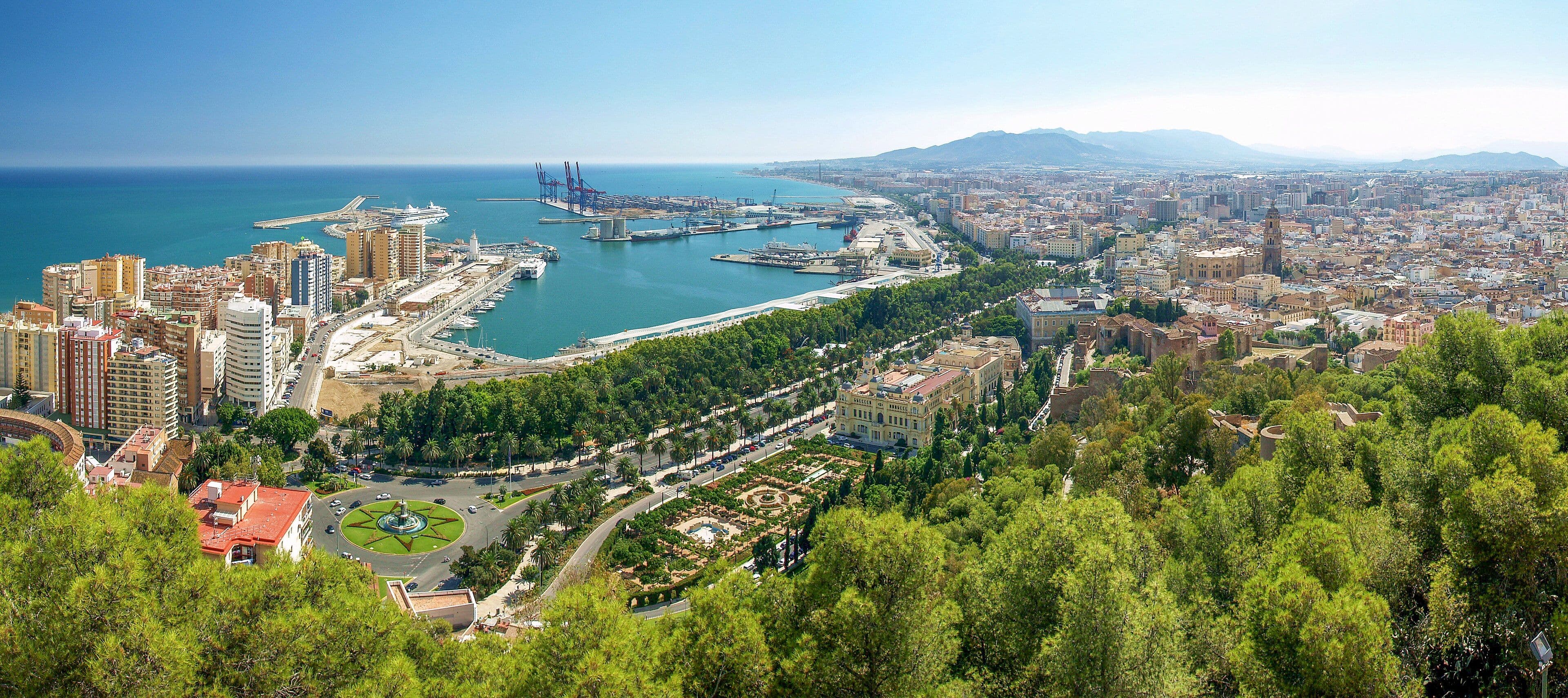
At a glance: around 16–18°C • €110–€190 per day • a real city with lots of sun
One of the sunniest cities in mainland Europe, with mild winters. Málaga is a real city with a compact historic centre, a city beach and a growing tech scene, so it suits remote workers who want city life rather than a resort. Coworking day passes start around €10.
Best for: city life and lots of winter sun. Watch out for: cold homes in January, and higher prices around Easter week.
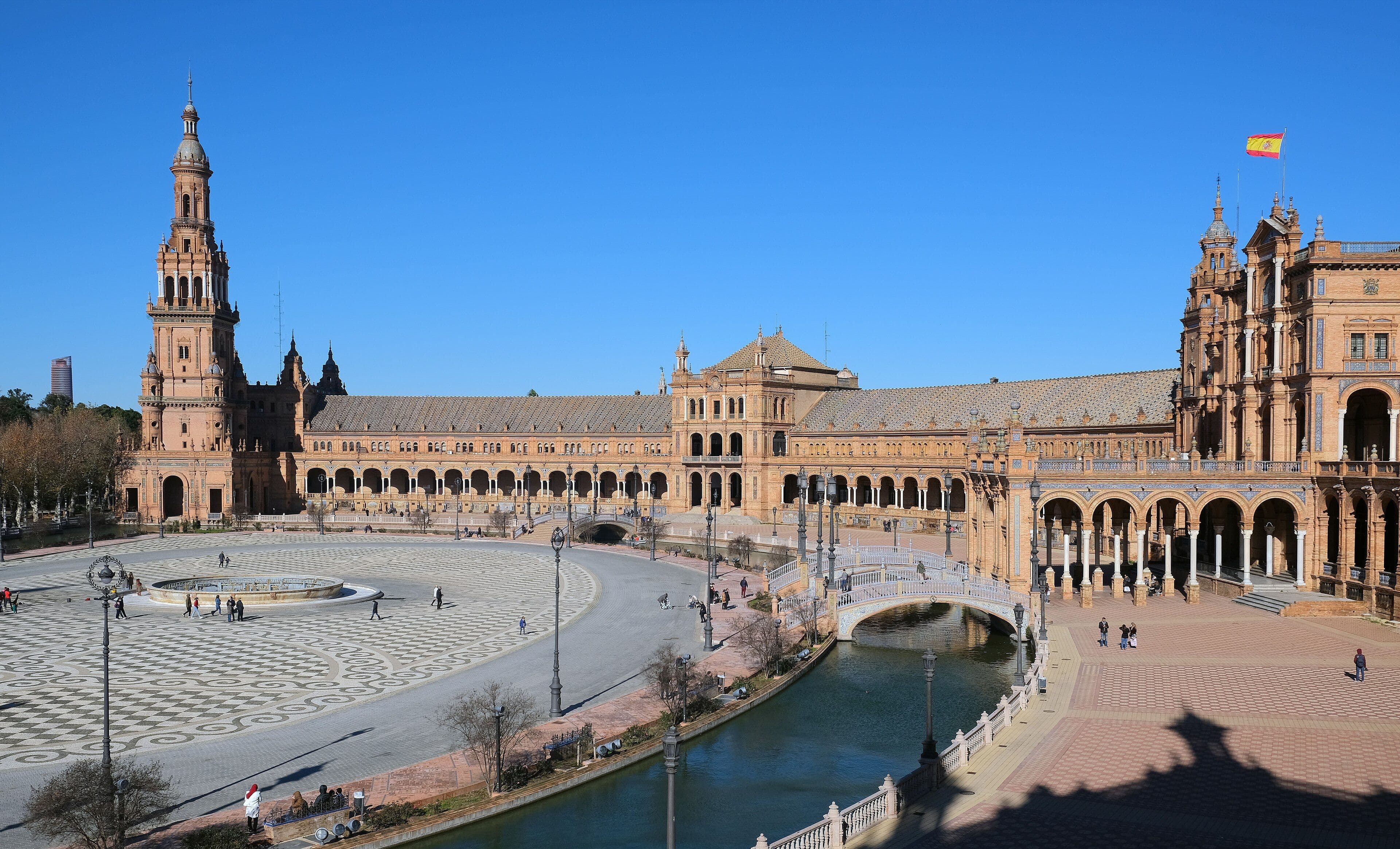
At a glance: around 15°C by day and cold nights (around 6°C) • €100–€170 per day
Seville is one of the most beautiful cities in Spain, and winter and spring are the best times to visit: summer regularly brings temperatures above 40°C. In January, days are around 15°C and often sunny, but nights are cold and many older buildings have little insulation, so check for heating.
Seville has a small coworking scene, with day passes from around €12–€15. High-speed trains connect it with Málaga, Córdoba and Madrid, so it combines well with a Málaga workation.
Best for: culture, architecture and combining a city workation with Málaga. Watch out for: cold nights and a smaller coworking scene than in Málaga or Lisbon.
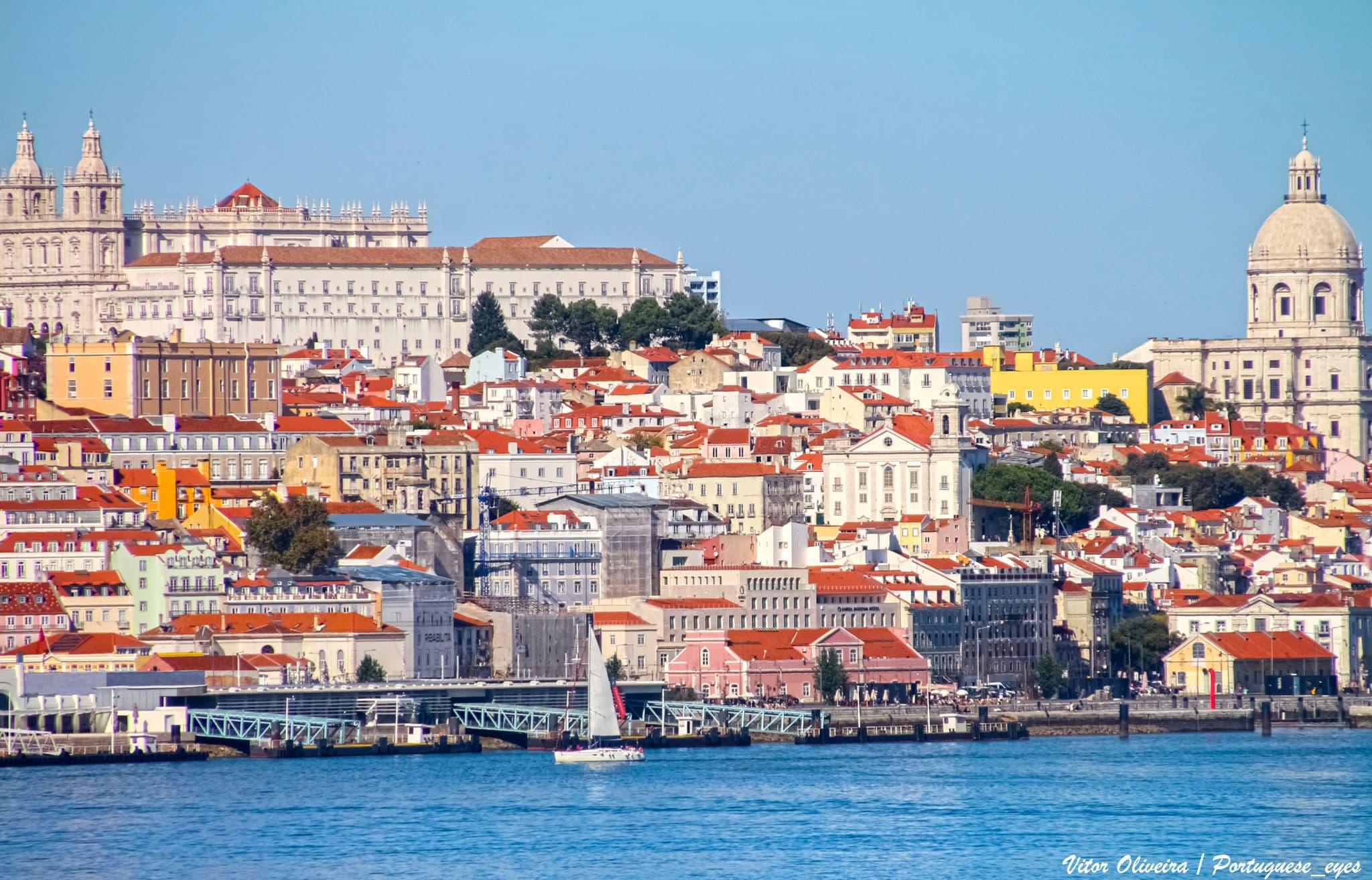
At a glance: around 15°C • €120–€220 per day • mild but often rainy
Lisbon is mild in winter, around 15°C by day, and has the most coworking spaces and the biggest remote work community in this list. The trade-off is rain: December to February can be wet. Choose Lisbon for the city and the community, and expect a mix of sunny and grey days.
Best for: remote workers who value community and coworking choice over guaranteed sun. Watch out for: rainy spells in winter and steep hills in wet weather.
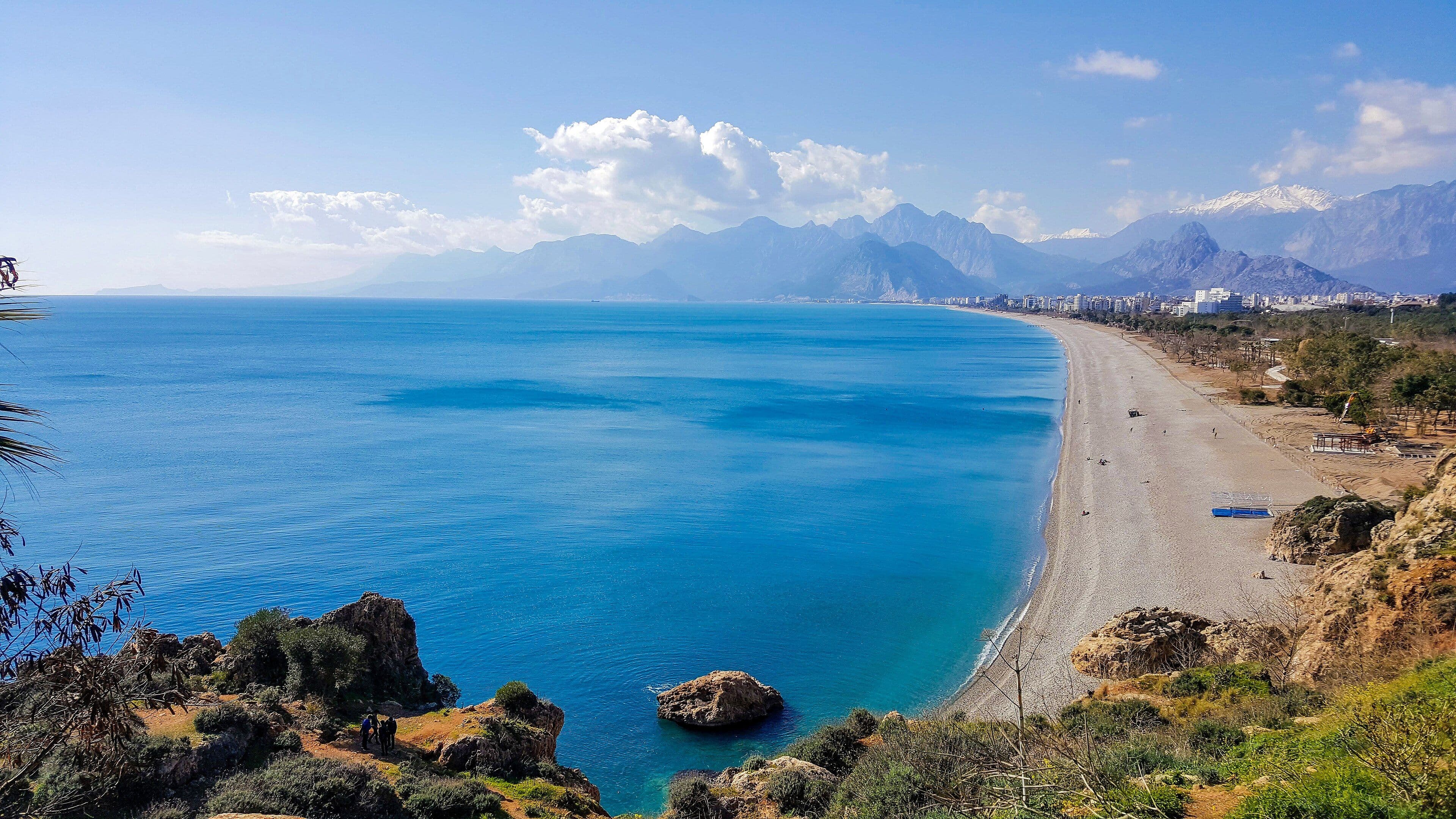
At a glance: around 15°C with a lot of sun between rainy spells • €60–€120 per day
Antalya, on Turkey's Mediterranean coast, gets a lot of winter sunshine, with January highs around 15°C. January is also its wettest month, but the rain tends to come in spells, with sunny days in between. Hotels offer big winter discounts EU roaming does not apply, so get an eSIM.
Best for: winter sun on a budget, with big hotel discounts. Watch out for: rainy spells in January and a smaller coworking scene than in Istanbul.
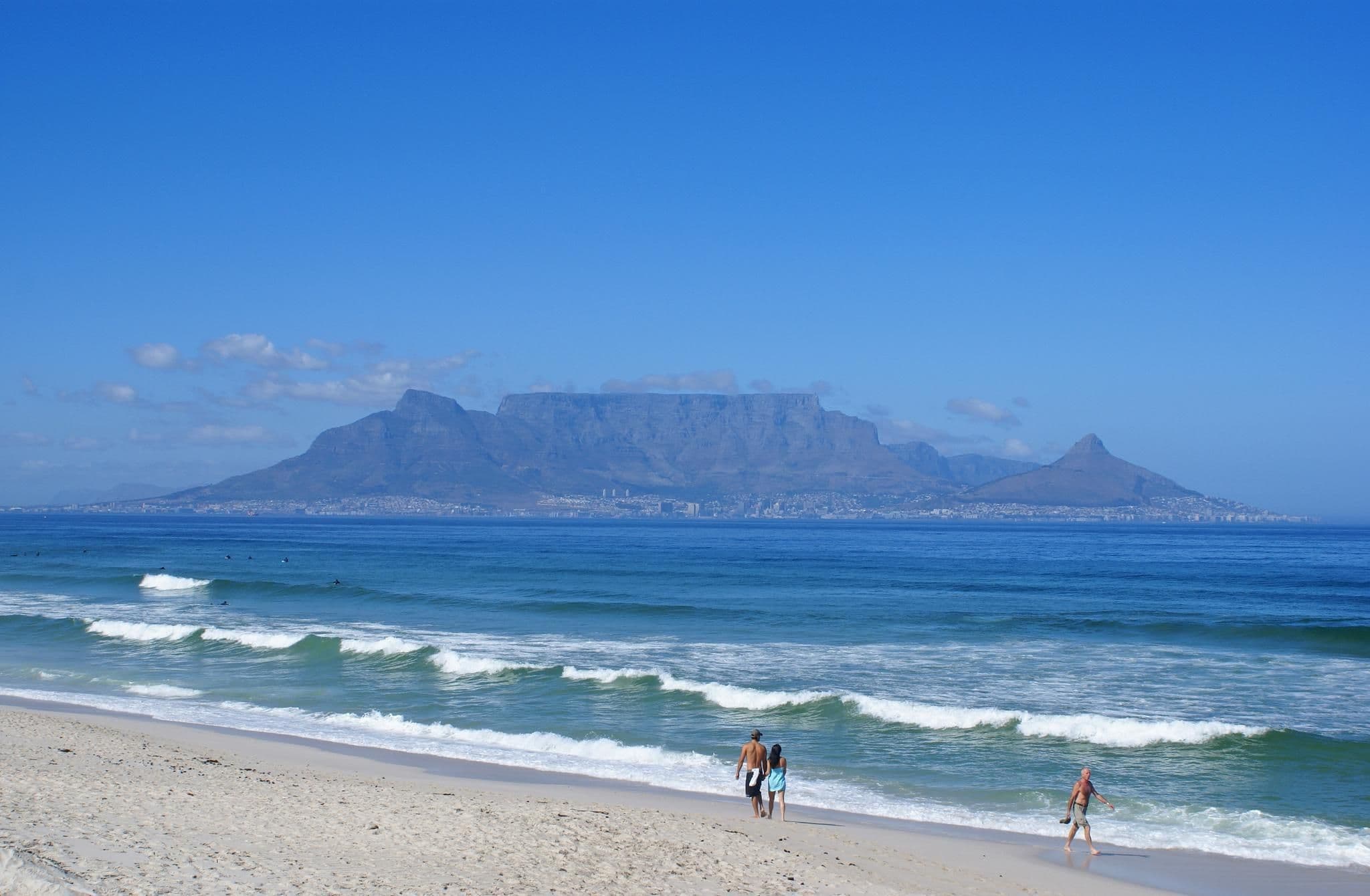
At a glance: summer, around 22–27°C • 1 hour ahead in European winter • €80–€170 per day
If you want real summer instead of mild spring, Cape Town is the best long-haul option for European remote workers. From November to March it is summer there, with temperatures around 22–27°C, and the time difference with Central Europe is just one hour, so there is no real jet lag.
Plan for safety by staying in areas such as Sea Point, Green Point or Gardens, and choose a stay with backup power. National load-shedding has been suspended since early 2025, but local outages can still happen.
Best for: real summer, spectacular nature and almost no time difference. Watch out for: safety planning, the long journey and peak prices over Christmas.
For a longer winter escape, many remote workers split their time between two bases. A few combinations that work well:
• Málaga and Seville: connected by train in around two to three hours
• Gran Canaria and Tenerife: ferries and short flights between the islands, with similar weather
• Lisbon and Madeira: start in the city, then take a short domestic flight to the island for more reliable sun
Travel on a weekend, and book both stays early if your trip falls between mid-December and February.
• Book early for December to February, and avoid the Christmas and New Year peak if you can
• Check for heating: many homes in Southern Europe are not built for cold nights
• Plan outdoor time at lunch or right after work, because it still gets dark early
• Bring a warm layer and a rain jacket, even to the islands
• For Turkey and South Africa, get an eSIM, as EU roaming does not apply
The Canary Islands, with daytime temperatures around 20°C on the coasts.
It is mild and often sunny, around 15–18°C by day, but not beach weather.
If you want real summer, yes. The time difference is only one hour, so your working hours stay the same.
Often, yes, especially in Antalya, Seville and Lisbon. The Canary Islands and Madeira are the exception: winter is their high season, so book early.
Two weeks is a good minimum; many remote workers stay a month or longer to get into a routine.
See more options in my Southern Europe and Europe guides, or go further with my Southeast Asia guide: November to February is the best season in most of Thailand.