Country Guide
Spain is one of the most complete workation countries in Europe. It has some of the fastest internet on the continent, a huge choice of cities and islands, and somewhere with good weather in every season, from Barcelona in spring to the Canary Islands in January.
Best for
Remote workers who want sun, food and an easy trip within the EU
Best months
March to June and September to November on the mainland; November to April in the Canary Islands
Cost per day
Roughly €110–€250 including a mid-range stay
Internet
Excellent, among the fastest in the world
Less suited if you want to work from inland cities like Seville or Madrid in July and August, when temperatures regularly go above 35°C.
Spain has a base for every season. Here is how the main options compare, with where to work and where to stay in each, followed by the stays I list there.
Coworking day passes in Spain usually cost €10–€25, with Barcelona at the top of the range. For a stay of a month or more, mid-term rentals and colivings are often cheaper per night than hotels; always check that a holiday apartment has a valid tourist licence.
 Most popular
🏙️ City · 🏖️ Beach · 🏛️ Culture
Best months
🏙️ City · 🏖️ Beach
Best months
 Best value
🏝️ Island · 🏖️ Beach · 🌿 Nature
Best months
🏙️ City · 🏛️ Culture
Best months

🏙️ City · 🏖️ Beach · 🏛️ Culture
Best months

🏙️ City · 🏛️ Culture
Best months
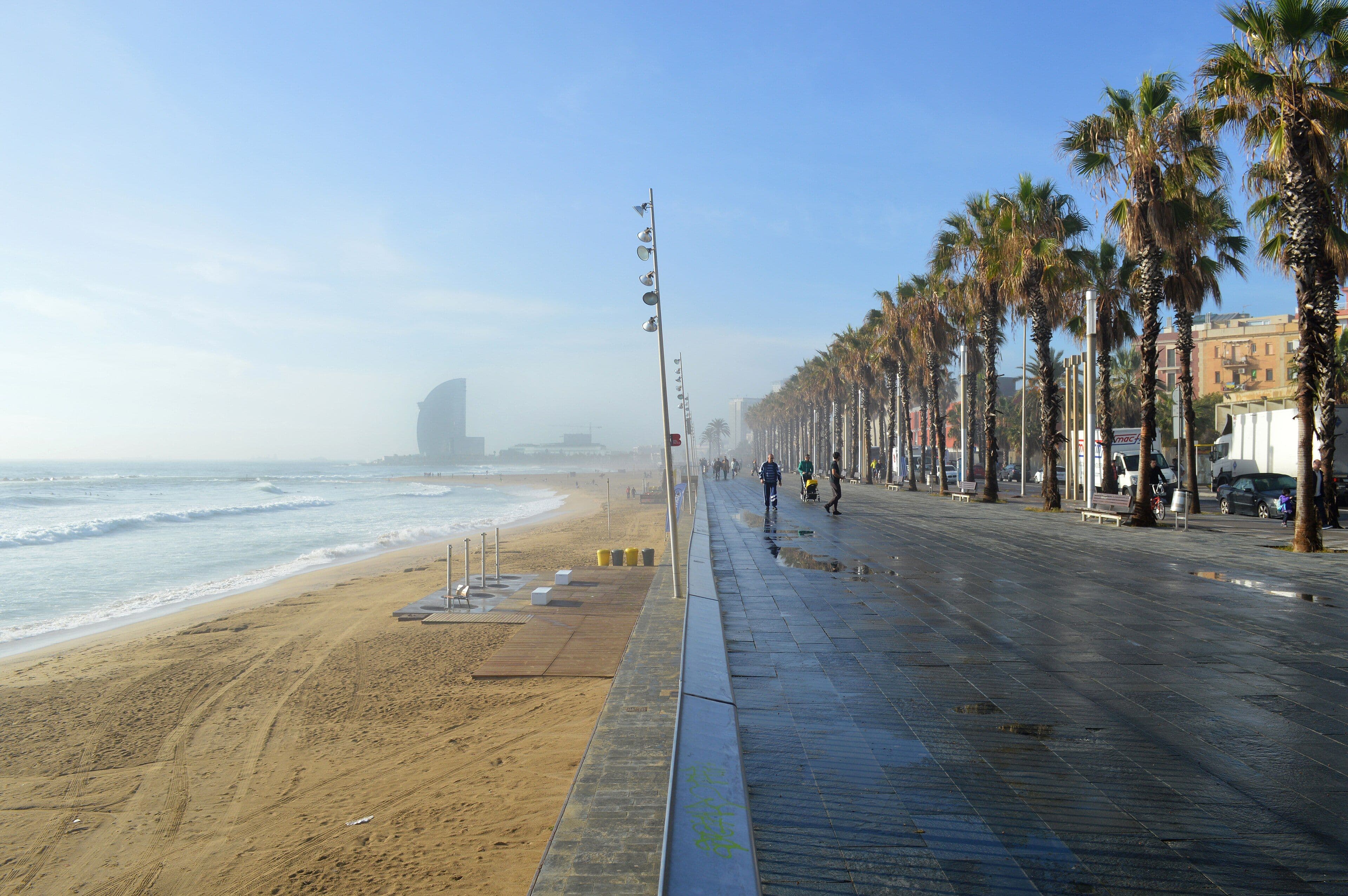
Big-city energy with a beach and one of Europe's largest coworking scenes. Best in spring and autumn.
Where to work
Aticco and Cloudworks, with day passes from about €25
Where to stay
Gràcia, Eixample and Poblenou
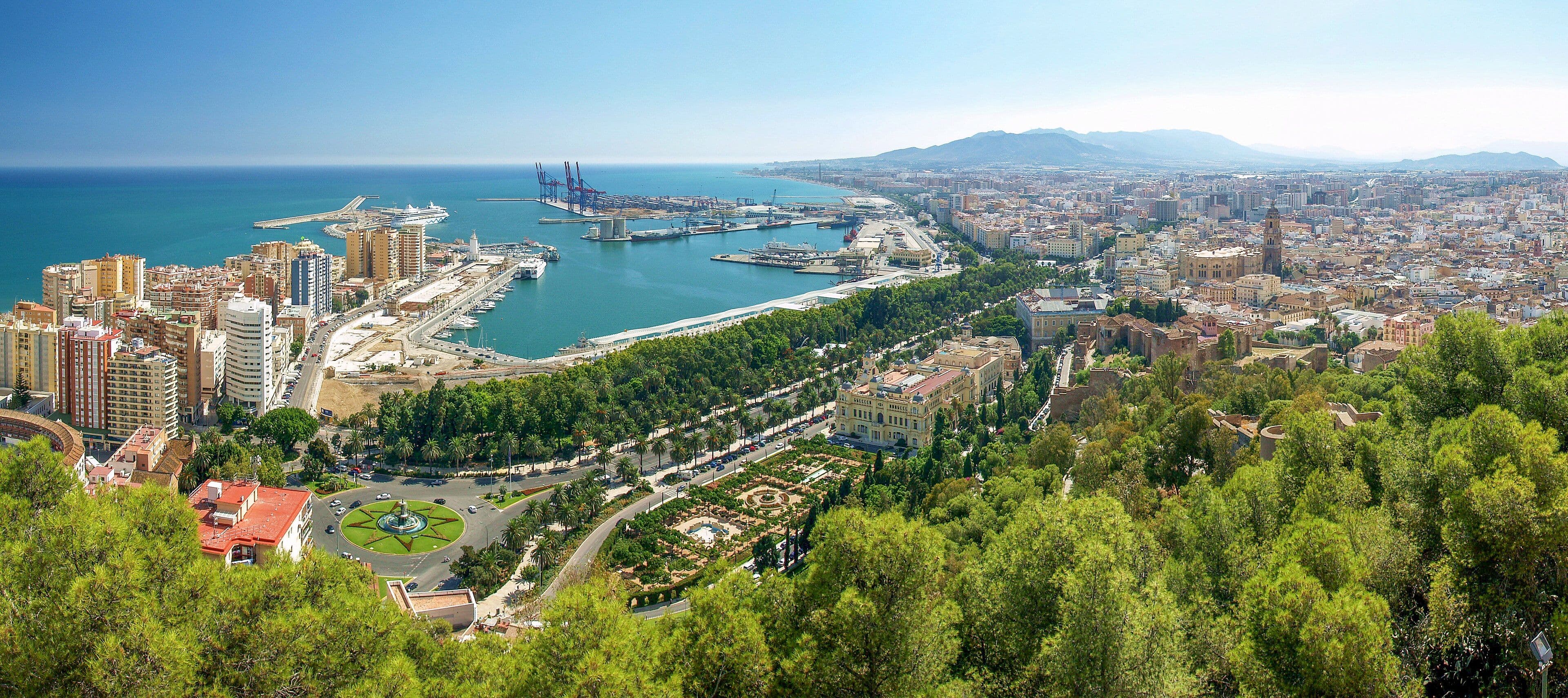
A sunny, fast-growing tech city on the Costa del Sol, with mild winters and a compact centre.
Where to work
The Living Room in Soho and Impact Hub Málaga in the centre, with day passes from about €20–€25
Where to stay
Soho, the historic centre or beachside Pedregalejo
Spring-like weather all year, and the classic European winter sun workation. Las Palmas de Gran Canaria is the most popular base for remote workers.
Where to work
Near Las Canteras beach in Las Palmas, at spaces such as Sky Coworking and White Forest, with day passes around €12–€20
Where to stay
Near Las Canteras beach, or in the old town of Vegueta and Triana
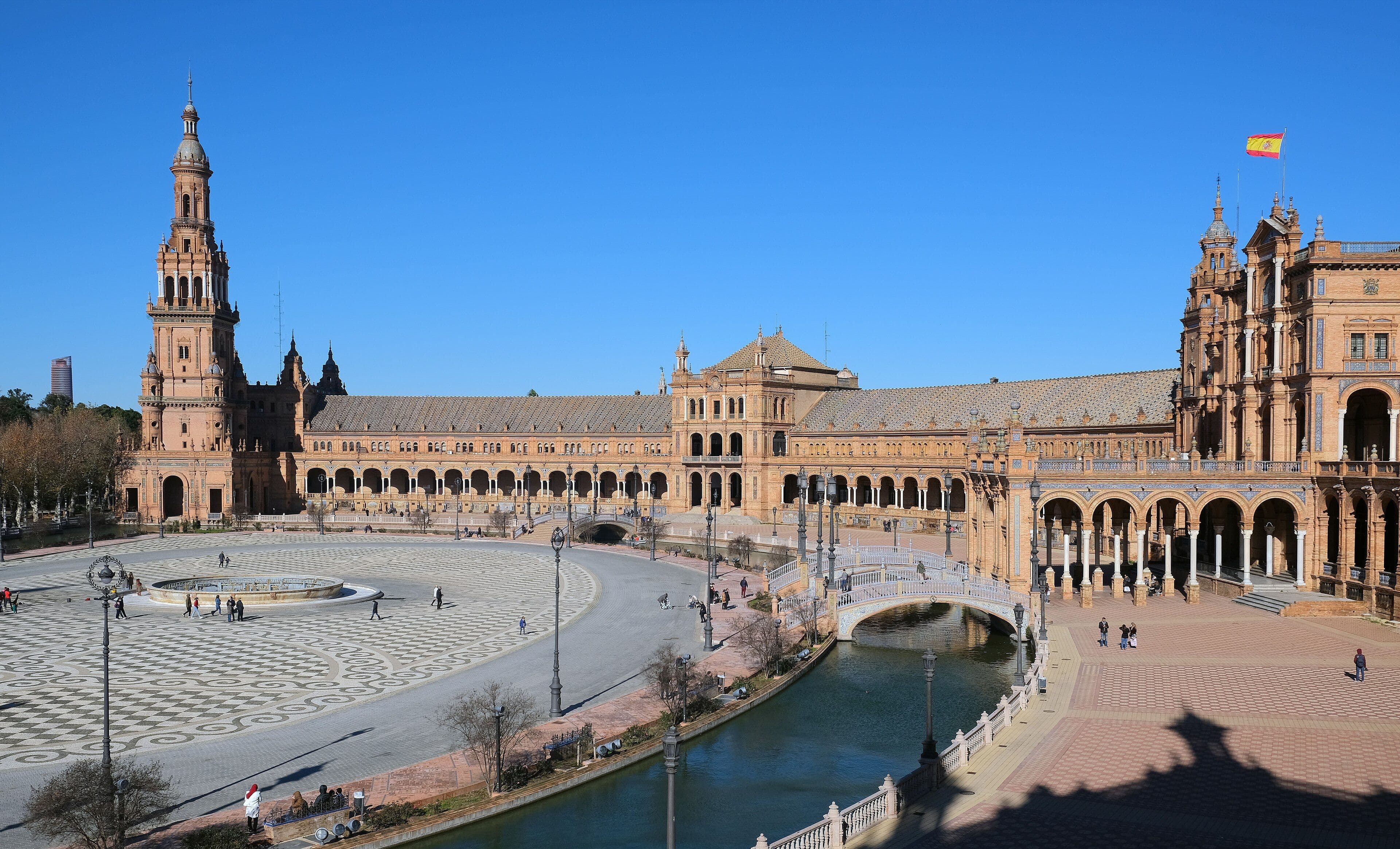
Beautiful in winter and spring, with Moorish palaces, tapas bars and a compact old town, but very hot in summer.
Best for
Culture and winter sun in a walkable city
A city, a beach and good value in one place, with a big coworking scene.
Best for
A city and a beach at a fair price
Great culture, food and nightlife, but no beach, hot summers and cold winters.
Best for
City lovers who want museums and a big-city feel
Spain has some of the best internet in the world. Hotels, apartments and coworking spaces in cities are well connected, and mobile internet is good along the coasts and on the islands.
EU residents can use their normal mobile plan under EU roaming rules, including in the Canary Islands. A European eSIM is a useful backup if your data abroad is limited. Read my guide to eSIMs for workations.
A rough week for one person with a mid-range stay, excluding flights:
Stay
€500–€1,300
Highest in Barcelona
Food
€170–€300
A weekday menú del día is great value
Coworking
€50–€125
For five day passes
Transport
€15–€40
On public transport
Also budget for
Food and transport are cheaper than in Northern Europe. Accommodation in Barcelona is expensive, while Málaga, Valencia and the Canary Islands usually offer better value.
Daily life in Spain runs later: lunch around 14:00, dinner around 21:00.
Nov–Feb
The Canary Islands (around 18–21°C) and Andalusia (Málaga, Seville around 15–18°C) are the warmest options
Mar–May
Great almost everywhere
Jun–Aug
Hot inland (Seville, Madrid), busy on the coasts
Sep–Oct
Warm sea and fewer crowds on the mainland
Also keep local holidays in mind: Easter week (Semana Santa) and the summer ferias in Andalusia bring big crowds and higher prices, while August is when many Spaniards go on holiday themselves.
Barcelona, Madrid, Málaga, Valencia, Seville and the Canary Islands all have airports with direct flights from across Europe. High-speed trains link Madrid with Barcelona, Málaga, Seville and Valencia, so combining two cities in one trip is easy.
Between the Canary Islands, ferries and short flights connect the main islands. In the cities, public transport is good and affordable; you only need a car for exploring the countryside.
Spain, including the Canary Islands, is in the EU and Schengen area. EU citizens only need a valid ID card or passport. If your employer is in another EU country, ask about an A1 certificate. Non-EU remote workers can look into Spain's digital nomad visa for longer stays.
Watch the sunset over the sea. Barcelona's beaches, the Las Canteras promenade in Las Palmas and La Malagueta in Málaga are all within walking distance of the centre.
Hike the Caminito del Rey. This walkway along a gorge in Andalusia is about an hour from Málaga and needs a timed ticket.
Visit the Alhambra. Granada's palace complex is a weekend trip from Málaga; tickets sell out weeks in advance.
Learn to surf. Las Canteras in Las Palmas has surf schools with beginner-friendly conditions.
Go tapas hopping. In Seville and Málaga, moving from bar to bar with small plates is the local way to eat dinner.
The Canary Islands, followed by the Costa del Sol around Málaga.
Barcelona for a big city and more coworking choice; Málaga for a warmer winter, a smaller city and lower costs.
Yes. Spain has some of the fastest internet in the world.
Easily. High-speed trains connect Madrid with Barcelona, Málaga, Seville and Valencia, and domestic flights are cheap.
Yes, the Canary Islands are part of the EU for roaming.
Explore my guides to Barcelona, Málaga, the Canary Islands and Las Palmas. For winter, compare Spain with Madeira and Antalya in my winter sun workation guide, or see all of Southern Europe.