Island Guide
The Canary Islands are the classic European winter sun workation. While much of Europe is grey and dark, the islands have spring-like weather, with daytime temperatures around 20°C in January. They are part of Spain and the EU.
Best for
Winter sun seekers, surfers, hikers and remote workers who want community
Best months
November to April for escaping winter; the islands are pleasant all year
Cost per day
Roughly €100–€180 including a mid-range stay
Internet
Fast in towns; Spain has some of the fastest internet in Europe
Less suited if you want a big-city atmosphere every day (only Las Palmas and Santa Cruz feel like real cities).
Each island has its own character. Here is how they compare, with where to work and where to stay on each.
 Most popular
🏙️ City · 🏖️ Beach · 🏝️ Island
Best months
 Good weather all year
🏝️ Island · 🌿 Nature · 🏛️ Culture
Best months
 Good weather all year
🏝️ Island · 🏖️ Beach · 🌿 Nature
Best months
Coworking day passes typically cost €10–€20. Book somewhere with a proper desk and reviews that mention the WiFi, and be aware that many apartments have no heating, which you can feel on cool January evenings.
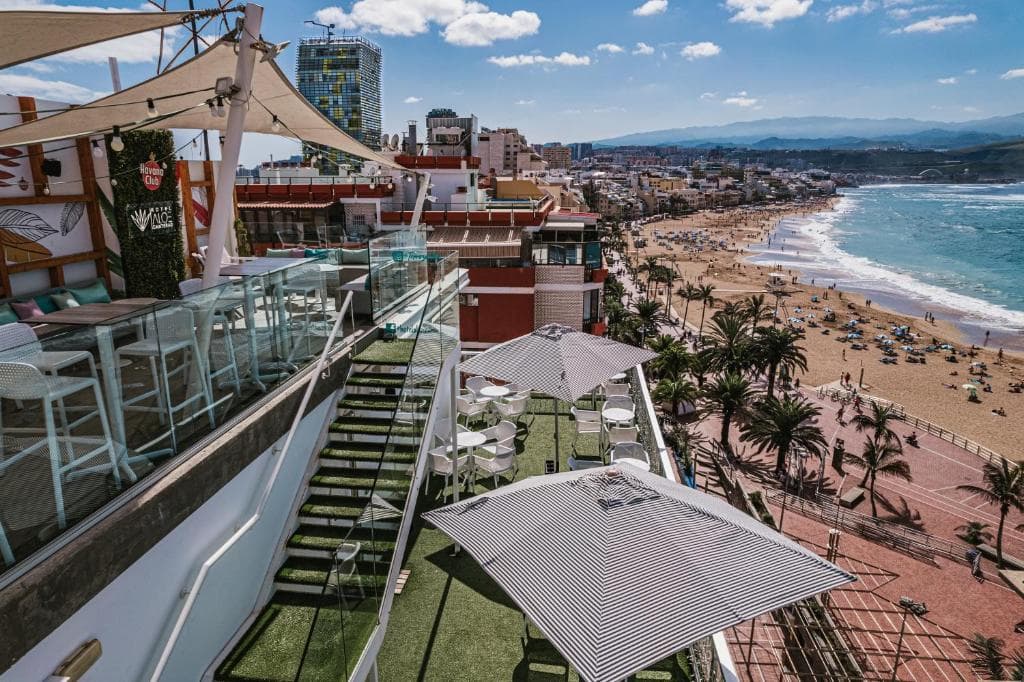
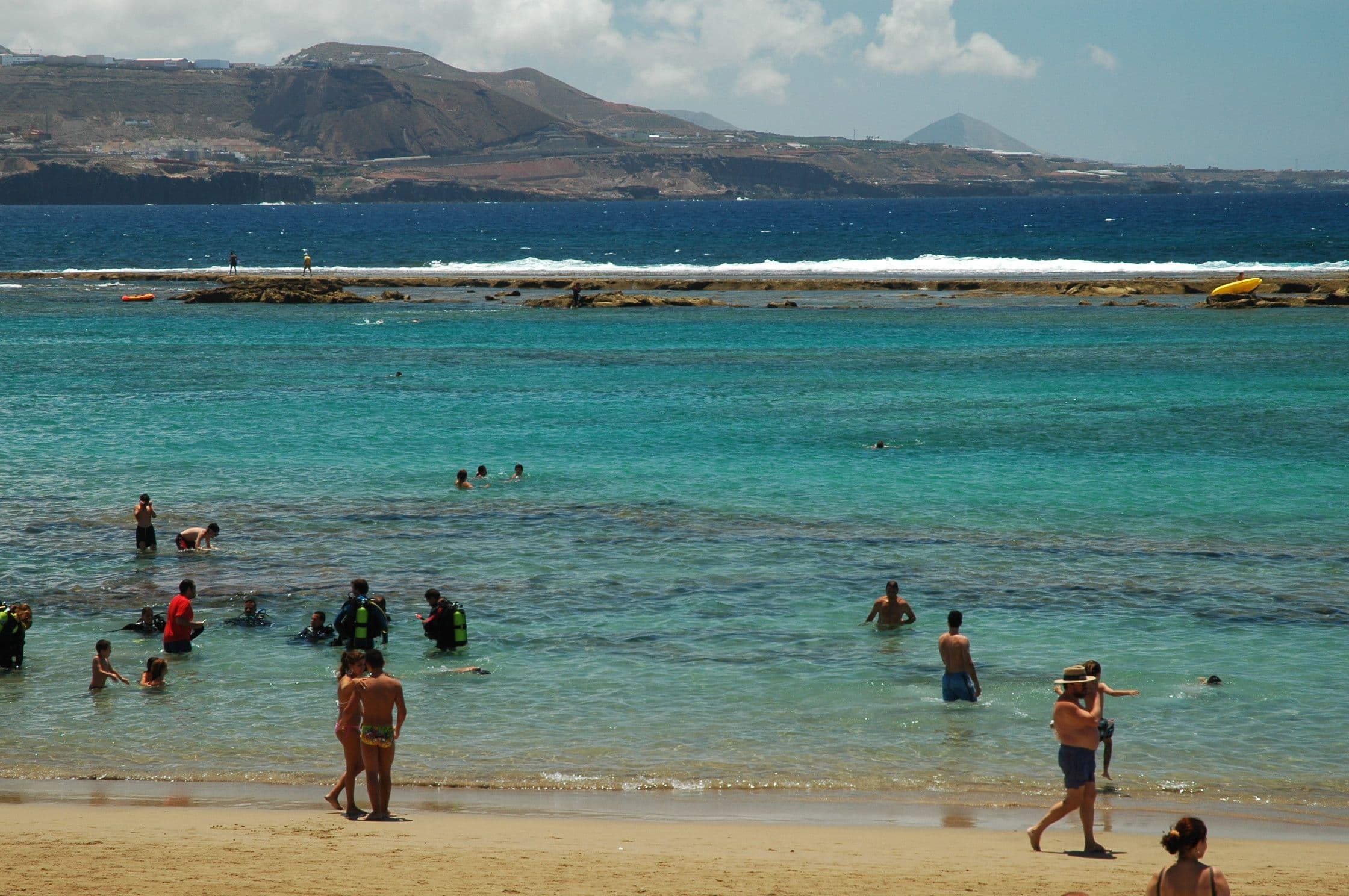
The biggest remote work hub in the Canaries: a real city of around 380,000 people with a long city beach, Las Canteras, plenty of coworking spaces and a large international community.
Where to work
Sky Coworking and White Forest near Las Canteras beach (day passes around €12–€20), and the community-focused Work in Cholas
Where to stay
Near Las Canteras beach or in Guanarteme for beach life; Vegueta and Triana for the old town
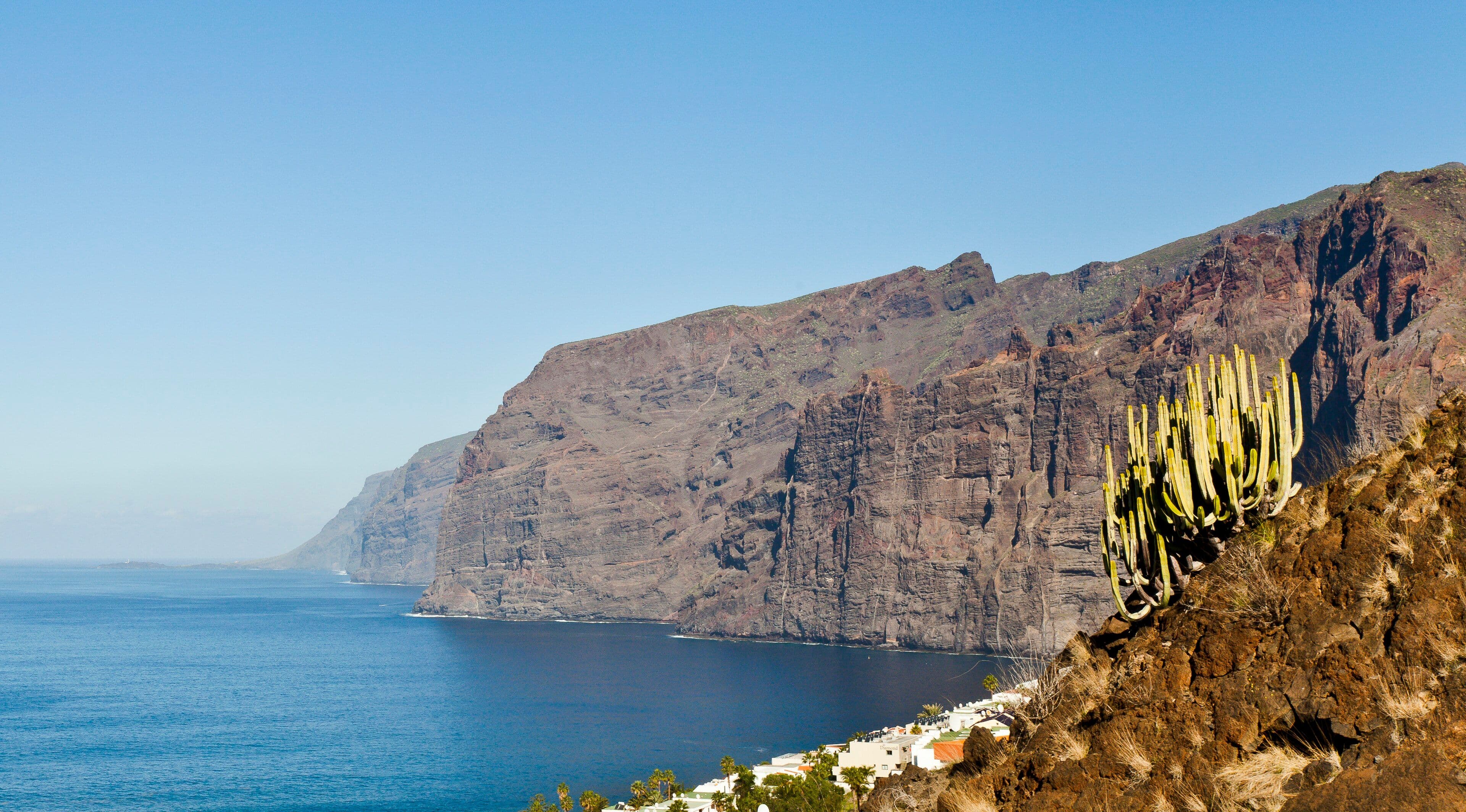
The largest island. I focus on the green north: calmer and more local than the touristy south, with real towns where everyday life goes on all year.
Where to work
Mostly from your stay or cafés in La Laguna; book somewhere with a proper desk and check the internet before you book
Where to stay
La Laguna, a UNESCO-listed university town, or Puerto de la Cruz on the green north coast
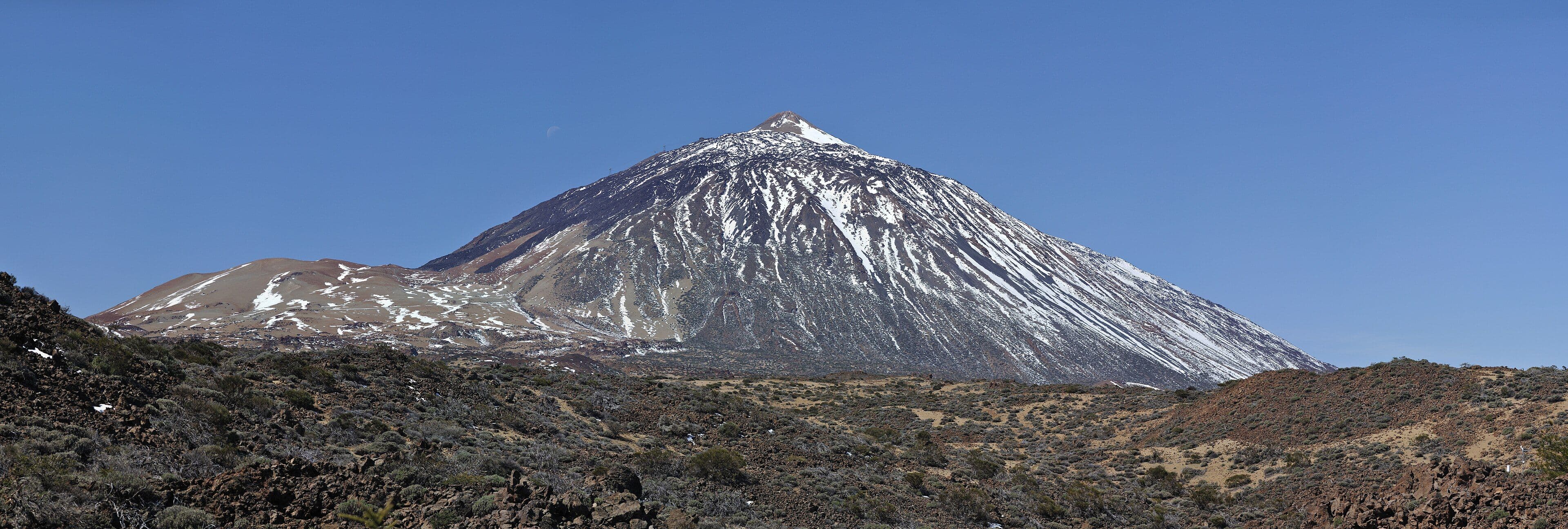
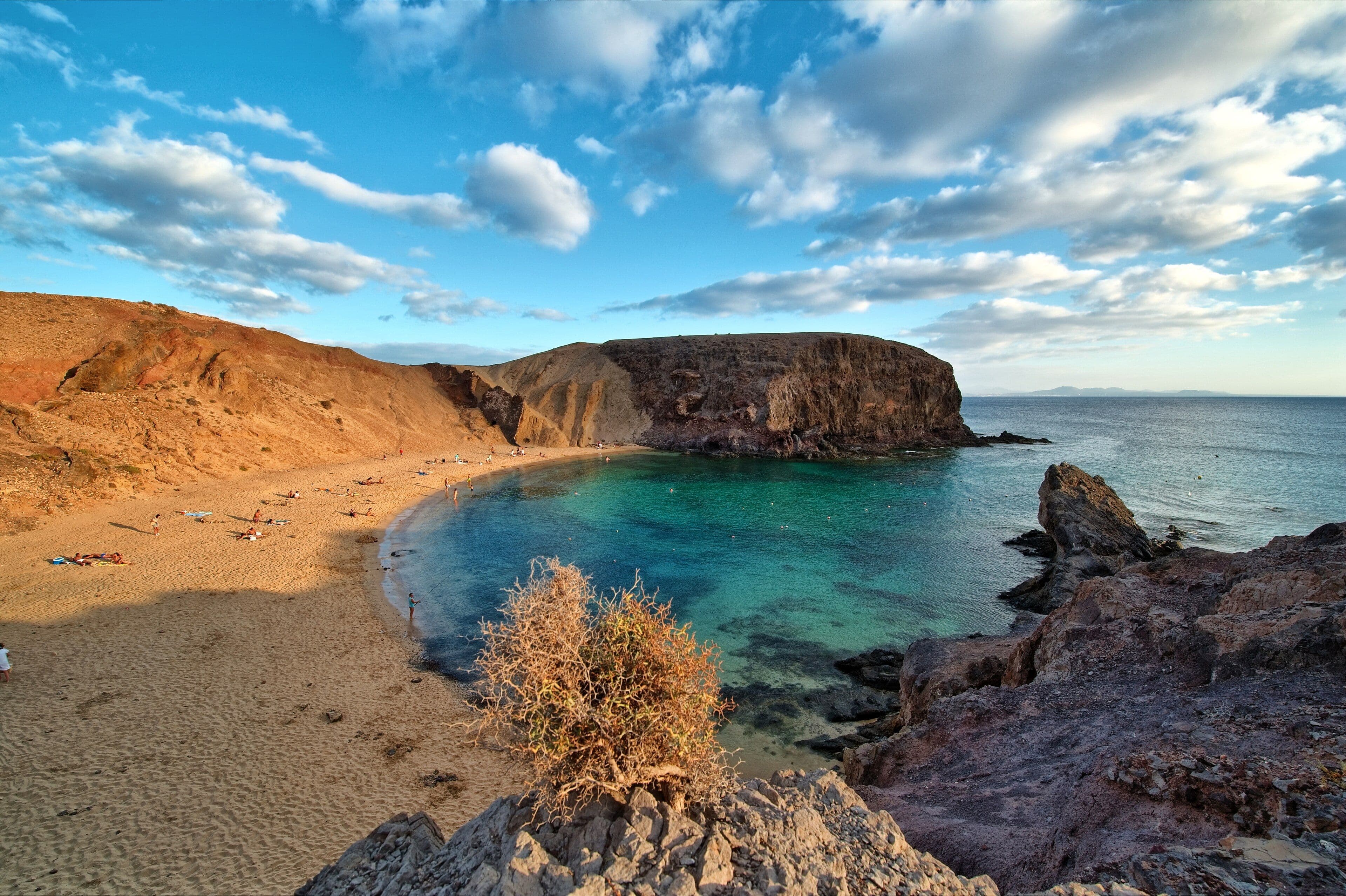
Volcanic landscapes and a quieter pace. Suits remote workers who want nature more than community.
Where to work
Mostly from your stay; check the internet before you book
Towns and cities on the main islands have fast internet, and coworking spaces are well equipped for calls. In rural areas and some villas, internet is less predictable, so check reviews.
The Canary Islands fall under EU roaming, so your normal EU mobile plan works. A European eSIM is a good backup if your data allowance abroad is small. Read my guide to eSIMs for workations.
A rough week for one person with a mid-range stay, excluding flights:
Stay
€450–€900
For an apartment or hotel room; prices peak around Christmas and Carnival
Food
€150–€250
Coworking
€50–€100
For five day passes
Transport
€15–€30
On buses, or €150–€250 for a week of car hire
The Canary Islands use IGIC, a local tax, instead of Spanish VAT, which keeps some prices lower than on the mainland.
The Canaries are one hour behind Central Europe, so you start early and have the late afternoon to yourself.
Nov–Feb
Around 18–21°C by day on the coasts, the peak season for remote workers
Mar–May
Warm and sunny, fewer crowds after Easter
Jun–Sep
Warm to hot, with trade winds; busy with European holidaymakers in August
Oct
Warm sea and quieter, a good month to start a long stay
Calima
Occasional dust storms from the Sahara can bring haze and heat for a few days
Gran Canaria, Tenerife (which has two airports) and Lanzarote all have international airports with direct flights from across Europe.
Buses (guaguas) connect the main towns on each island. For hiking and exploring, rent a car. Between islands, take a ferry with Fred. Olsen or Naviera Armas, or a short Binter flight.
The Canary Islands are part of Spain, the EU and Schengen. EU citizens only need a valid ID card or passport. Because the islands are outside the EU customs and VAT area, customs limits apply to goods like tobacco and alcohol when you fly home. If your employer is in another EU country, ask about an A1 certificate.
Surf or bodyboard at Las Canteras
Hike in Teide National Park on Tenerife
Visit the dunes of Maspalomas
Join the Carnival in Las Palmas or Santa Cruz de Tenerife in February
Watch the stars; the Canary Islands have some of Europe's darkest skies
Gran Canaria (Las Palmas) for city life and community, the north of Tenerife for nature and local towns, Lanzarote for a quieter pace.
Daytime temperatures on the coasts are usually around 18–21°C in January.
Not in Las Palmas. For hiking and exploring the islands, a car helps a lot.
Yes. Ferries and short flights connect the main islands, so you can split a long stay between two islands, for example Gran Canaria and Tenerife.
Read my Las Palmas guide, see the Canaries in my Spain guide, or compare them with Madeira, Málaga and Antalya in my winter sun workation guide.