City Guide
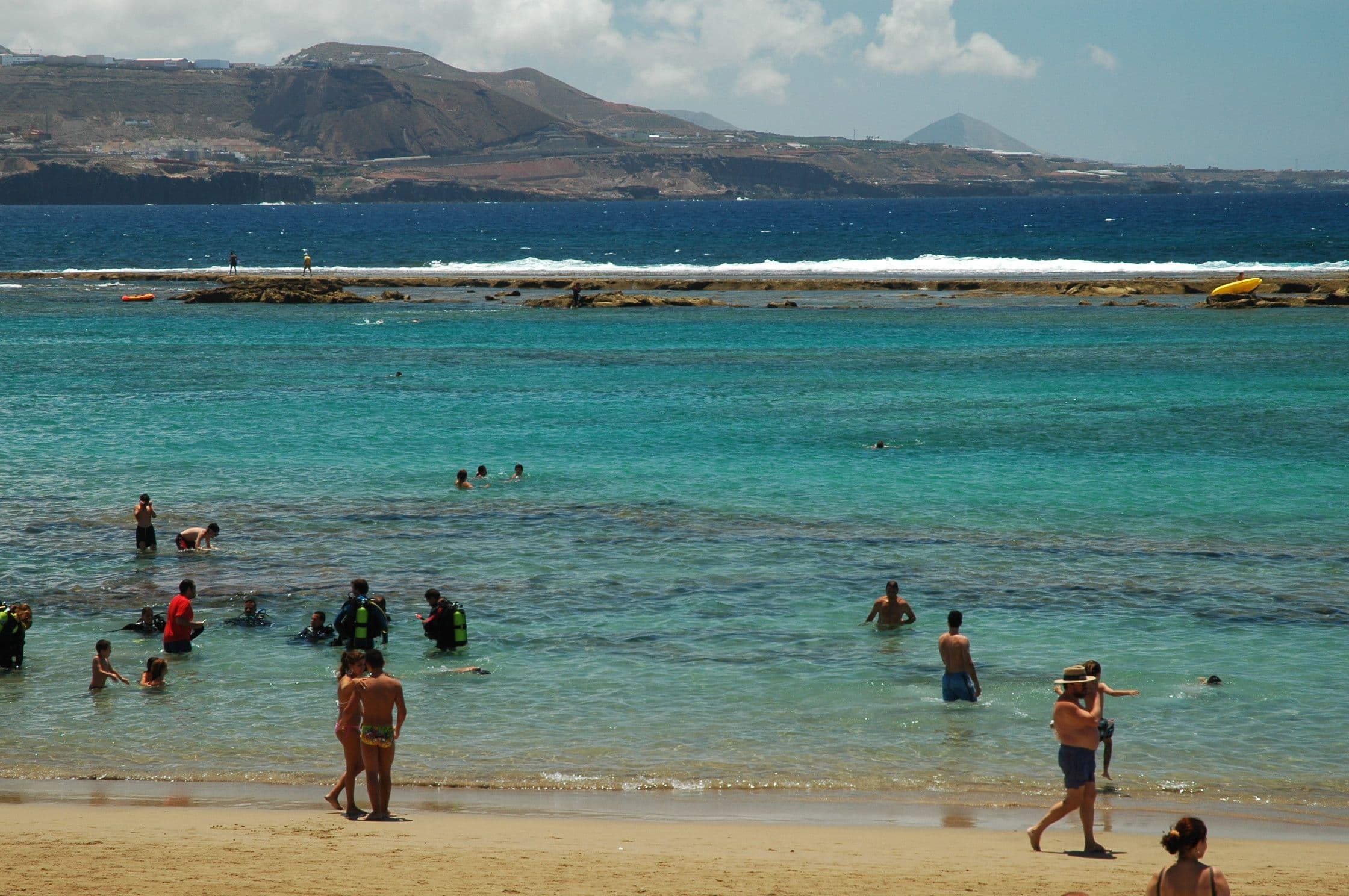
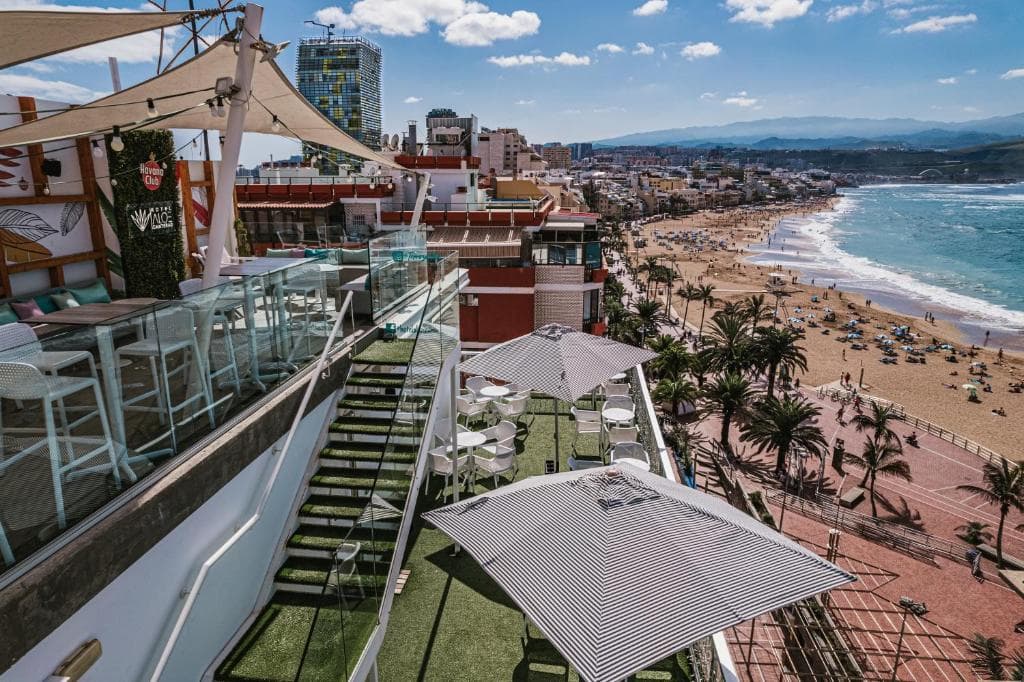
Las Palmas de Gran Canaria is one of Europe's most popular winter bases for remote workers. It is a real city with a long urban beach, Las Canteras, where you can swim or surf before work and watch the sunset after it. Add a large international community and one of the mildest climates in Europe, and it is easy to see why so many remote workers come back every winter.
Best for
Remote workers who want city life and a beach, and plenty of other remote workers around
Best months
October to May
Cost per day
Roughly €90–€170 including a mid-range stay
Internet
Fast in apartments and coworking spaces
Less suited if you want guaranteed blue skies every day. The north of Gran Canaria, including the city, gets more clouds than the resorts in the south.
Las Palmas has fast internet, and coworking spaces and remote-work-friendly apartments usually have fast, stable internet. Mobile coverage in the city is good.
EU roaming covers the Canary Islands, so your normal EU plan works. For longer stays or bigger data needs, an eSIM is a simple backup. Read my guide to eSIMs for workations.
Day passes in Las Palmas usually cost €12–€20.
Sky Coworking (near Las Canteras)
A coworking space within walking distance of the beach. Day passes around €12–€18.
White Forest (Guanarteme)
Close to the western end of Las Canteras. Day passes around €20 plus VAT.
Work in Cholas
A community-driven space with networking events and meetups. Day passes around €15–€20.
DigitalSpring Coworking
Another option, with a weekly pass for about €70.
Cafés along the Las Canteras promenade are great for a coffee with a view, but for calls you are better off in a coworking space. Many remote workers also stay in colivings, which combine a room with a shared workspace and a ready-made community, useful if you are travelling alone.
Las Canteras and Santa Catalina
Right by the beach, with the promenade, restaurants and coworking spaces nearby. The most popular choice for remote workers.
Guanarteme
At the western end of Las Canteras, popular with surfers and a little more local.
Vegueta and Triana
The historic old town and shopping streets, with colonial architecture and a calmer, cultural atmosphere. About 15–20 minutes by bus from the beach.
La Isleta
A traditional working-class neighbourhood on the peninsula north of Las Canteras. More authentic and cheaper, a little rougher around the edges.
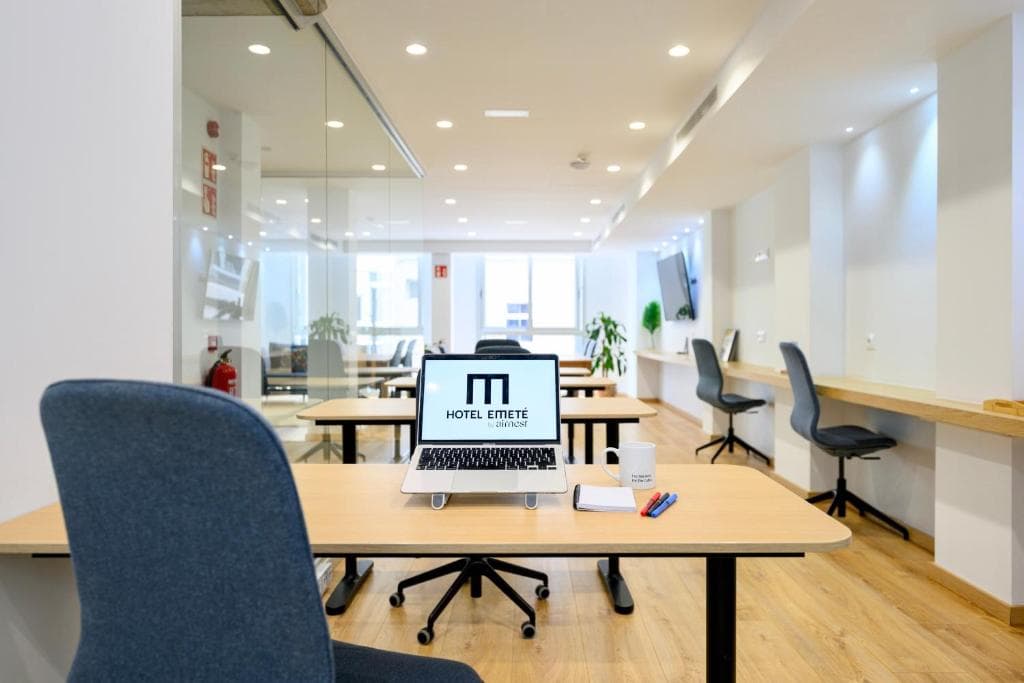
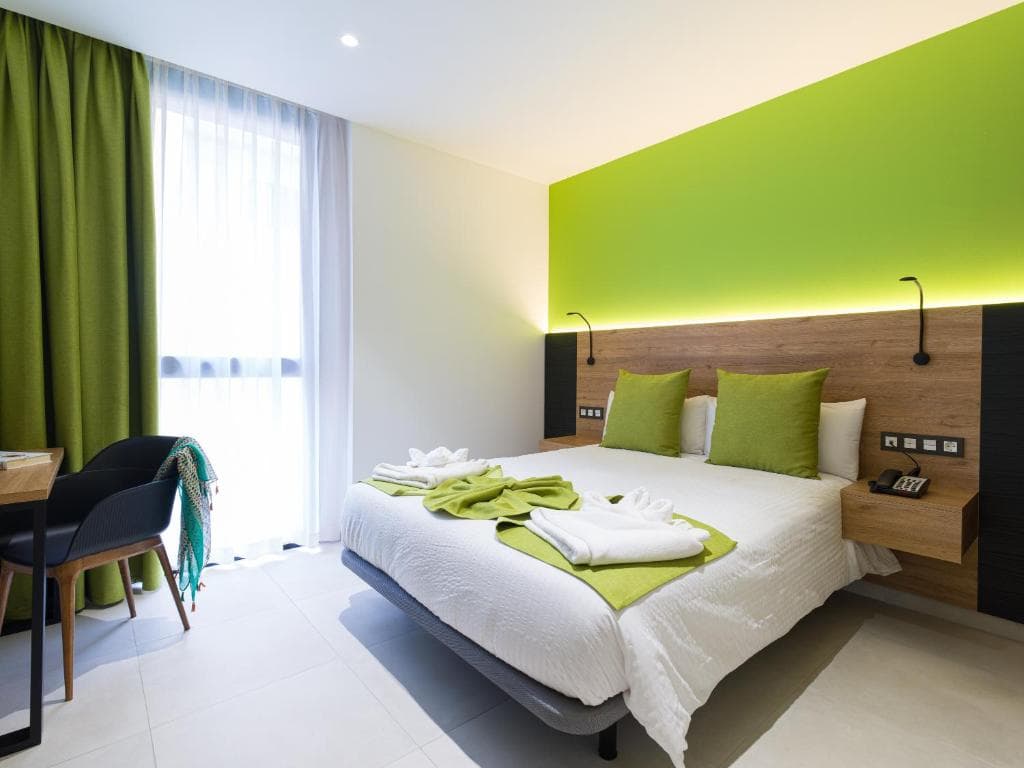
Three stays I list in Las Palmas, all near Las Canteras beach. Hotel Emeté has its own coworking space.
A rough week for one person with a mid-range stay, excluding flights:
Stay
€450–€850
For an apartment or hotel room
Food
€140–€230
Coworking
€60–€100
For five day passes
Transport
€10–€25
On the city buses (guaguas)
Food and transport are cheaper than in most mainland Spanish cities. Accommodation near the beach gets pricey in winter, so book early or stay a little further from the sand.
Winter is high season, and prices rise around Christmas and Carnival, so book early for December to February. For stays of a month or longer, monthly apartment rentals and colivings are often much cheaper per night than hotels.
Las Palmas is one hour behind Central Europe. You start early and have the whole late afternoon for the beach.
Nov–Feb
Around 20–22°C by day; the peak season for remote workers
Feb
Carnival, one of the biggest in Spain
Mar–May
Warm, sunny and a bit quieter
Jun–Sep
Warm, often cloudy mornings in the city (panza de burro, a layer of low cloud)
Oct
Warm sea, a great time to start a winter stay
Sea temperatures stay around 19–22°C all year, so swimming before or after work is possible even in January.
Gran Canaria airport, on the east coast, has direct flights from across Europe. From the airport, Global bus line 60 takes you to Las Palmas in about 30 minutes.
The city is long and narrow; the yellow city buses (guaguas) connect Las Canteras with Triana and Vegueta. Global buses run across the island, but a rental car is easiest for hiking in the mountains.
Gran Canaria is part of Spain, the EU and Schengen. EU citizens only need a valid ID card or passport. The Canary Islands are outside the EU customs area, so customs limits apply when you fly home with goods like tobacco or alcohol. If your employer is based in another EU country, ask about an A1 certificate.
Walk the Las Canteras promenade. The paseo runs for about three kilometres along the beach and is where half the city goes for a stroll at sunset.
Learn to surf. La Cícer, at the southern end of Las Canteras, has surf schools and beginner-friendly waves most of the year.
Explore Vegueta. The historic old town, where Las Palmas was founded, has cobbled streets, the cathedral and the Casa de Colón museum about Columbus's stop on the island.
Hike in the mountains. On a weekend, drive up to Roque Nublo or Pico de las Nieves in the centre of the island, where the landscape and weather are completely different from the coast.
Head south for sun. If the city is cloudy, the Maspalomas dunes in the south are usually sunny, and about 45 minutes away by car.
Yes. It is one of the biggest winter hubs for remote workers in Europe.
Near Las Canteras beach for beach life, Vegueta or Triana for culture and calm.
Day passes usually cost €12–€20.
Not for daily life. The city is walkable along the beach and well served by buses. Rent a car for a few days if you want to explore the mountains and the south.
Yes, it is spring-like, around 20°C, although the city can be cloudier than the south of the island.
Las Palmas is part of my Canary Islands and Spain guides. Compare it with Madeira, Málaga and Antalya in my winter sun workation guide.