Island Guide
Tenerife is the largest of the Canary Islands, with two very different sides. I focus on the green north, around La Laguna and Puerto de la Cruz: calmer and more local than the touristy south, with real towns where everyday life goes on all year.
Best for
Remote workers who want a local town, hiking and a mild climate
Best months
November to April for escaping winter; pleasant all year
Cost per day
Roughly €100–€180 including a mid-range stay
Internet
Fast in towns; check your stay’s reviews for the WiFi
Less suited if you want guaranteed sunshine every day. The north is greener because it is cloudier and gets more rain than the south.
Towns in the north have fast internet, and La Laguna has several coworking spaces. The Canary Islands fall under EU roaming, so your normal EU mobile plan works.
Coworking day passes in Tenerife usually cost €10–€20.
Coworking in La Laguna
La Laguna, a university town, has several coworking spaces, with day passes around €15–€18 and monthly plans around €120.
Cafés in the old town of La Laguna are good for a few hours of work. For calls, a coworking space or your room is quieter.
La Laguna
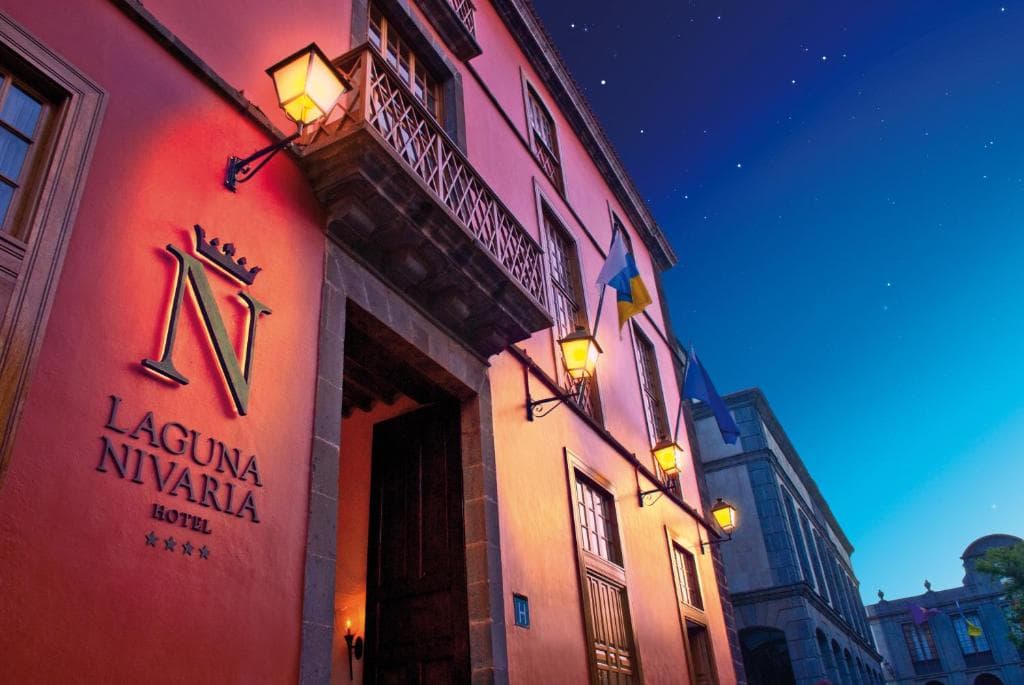
A UNESCO-listed university town with colourful colonial streets, cafés and a tram to Santa Cruz. The best base for a workation in the north.
Puerto de la Cruz
An older resort town on the green north coast, with sea pools, botanical gardens and a relaxed pace.
Santa Cruz
The island’s capital, a real city with shops, a port and good transport.
Stays I list in Tenerife:
A rough week for one person with a mid-range stay, excluding travel:
Stay
€450–€950
For a hotel room or apartment with a desk
Food
€140–€220
Coworking
€60–€90
For five day passes
Transport
€15–€30
On buses and the tram, or €150–€250 for a week of car hire
Nov–Apr
Mild, around 18–21°C by day on the coast, the peak season for remote workers
May–Oct
Warm and pleasant; the north stays greener and cooler than the south
Feb
Carnival in Santa Cruz, one of the biggest in the world
Tenerife has two airports: Tenerife North, close to La Laguna, and Tenerife South, near the resorts. Flights from Europe mostly land in the south, about an hour from La Laguna by car or bus.
Buses (guaguas) connect the main towns, and a tram runs between La Laguna and Santa Cruz. For hiking and exploring, rent a car for a few days.
Tenerife is part of Spain and the EU. EU citizens only need a valid ID card or passport. Because the Canary Islands are outside the EU customs area, customs limits apply to goods like tobacco and alcohol when you fly home.
Hike in the Anaga mountains, close to La Laguna
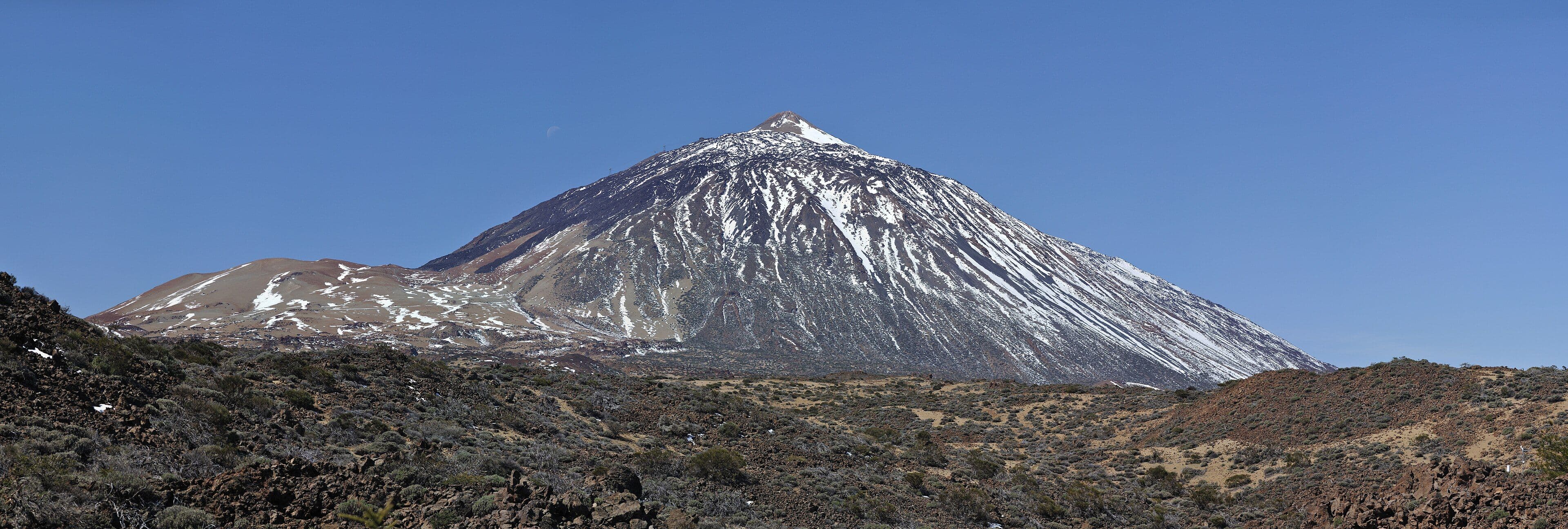
Visit Teide National Park and watch the sunset above the clouds
Swim in the sea pools of Puerto de la Cruz
Join the Carnival in Santa Cruz in February
Watch the stars; the Canary Islands have some of Europe’s darkest skies
I recommend the north for a workation: real towns, local life and nature. The south is sunnier but more touristy.
Not in La Laguna. For hiking and exploring the island, a car for a few days helps a lot.
Gran Canaria (Las Palmas) for city life and a big remote work community; the north of Tenerife for a calmer, more local base.
Tenerife is part of my Canary Islands guide, next to Gran Canaria and Lanzarote. Compare it with other winter sun destinations in my winter sun workation guide.