City Guide
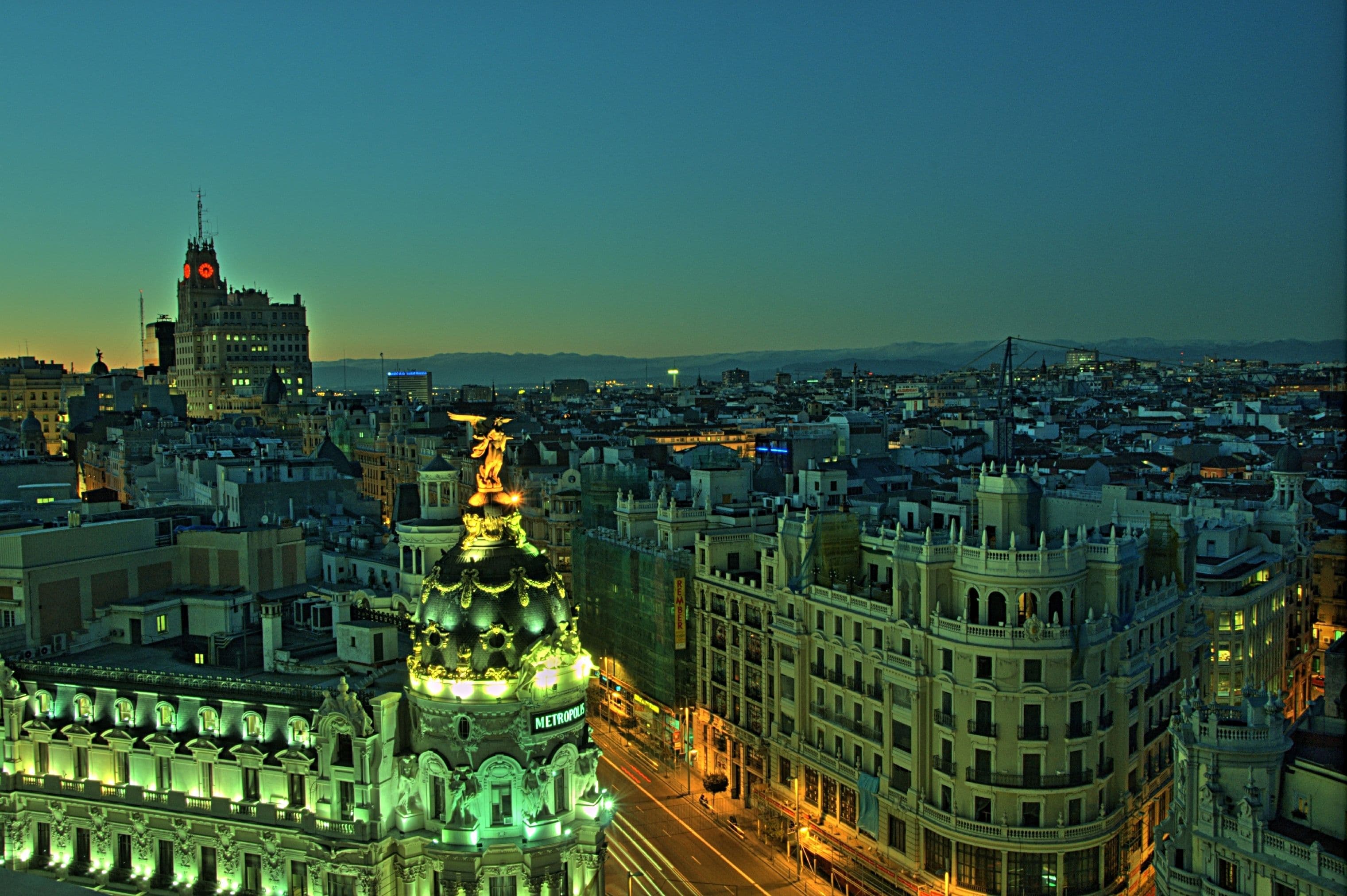
Madrid is a big, energetic capital with world-class museums, leafy parks and a food and nightlife culture that starts late and never seems to stop. There is no beach, but plenty to do after work.
Best for
City lovers who want culture, food and a big-city feel
Best months
April to June, and September to October
Cost per day
Roughly €110–€190 including a mid-range stay
Internet
Fast in hotels, apartments and coworking spaces
Less suited if you want a beach or winter sun. Madrid is on a high plateau, with hot summers and cold winter nights.
Spain has some of the fastest internet in the world, and Madrid is very well connected. Hotels, apartments and coworking spaces have fast WiFi, and mobile internet is strong across the city.
EU roaming covers you on your normal mobile plan. A European eSIM is an easy backup if your data allowance abroad is small. Read my guide to eSIMs for workations.
Madrid has hundreds of coworking spaces. Most day passes cost €15–€25.
Espíritu 23
A creative space in Malasaña with desks from about €14 a day.
Monday Chamberí
A calm space in Chamberí, with day passes around €18 and monthly memberships around €199 plus VAT.
EITO Coworking
Also in Chamberí, with day passes around €22 including VAT and a coffee.
Cafés in Malasaña and Chamberí are great for a few hours of email. For calls, a coworking space or your room is quieter.
Malasaña
Creative and lively, with cafés, vintage shops and bars. Central, but noisy at night.
Chamberí
Elegant, residential and calm, with good metro links and local restaurants. A great base for a work week.
Lavapiés
Multicultural and affordable, close to the Reina Sofía museum. Lively, with a young crowd.
Retiro and Salamanca
Leafy and upmarket, next to the Retiro park. Quieter, but more expensive.
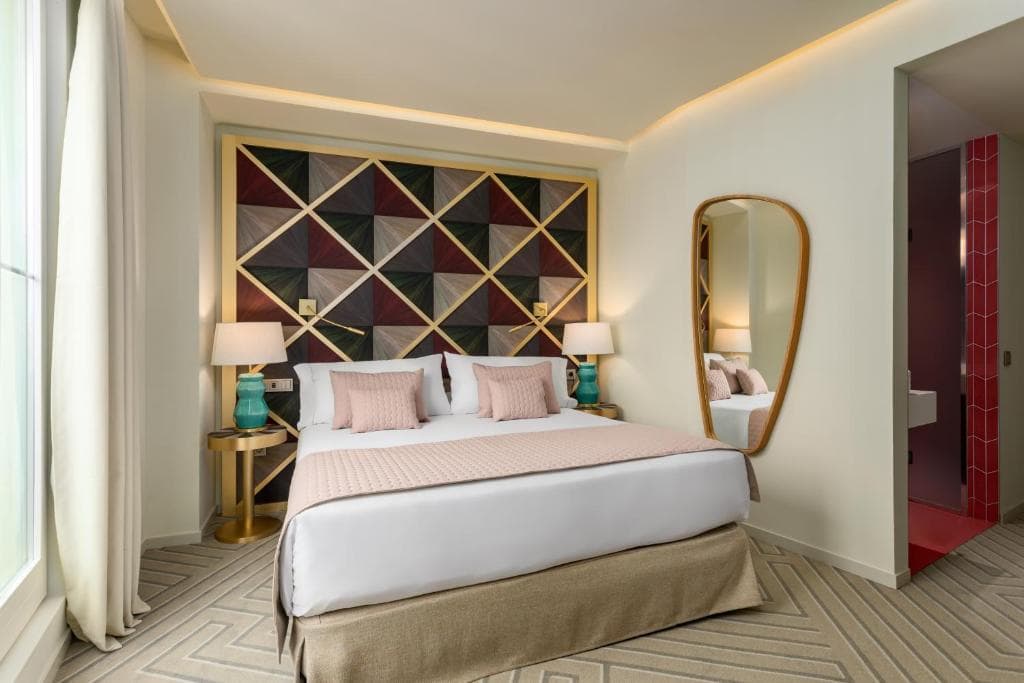
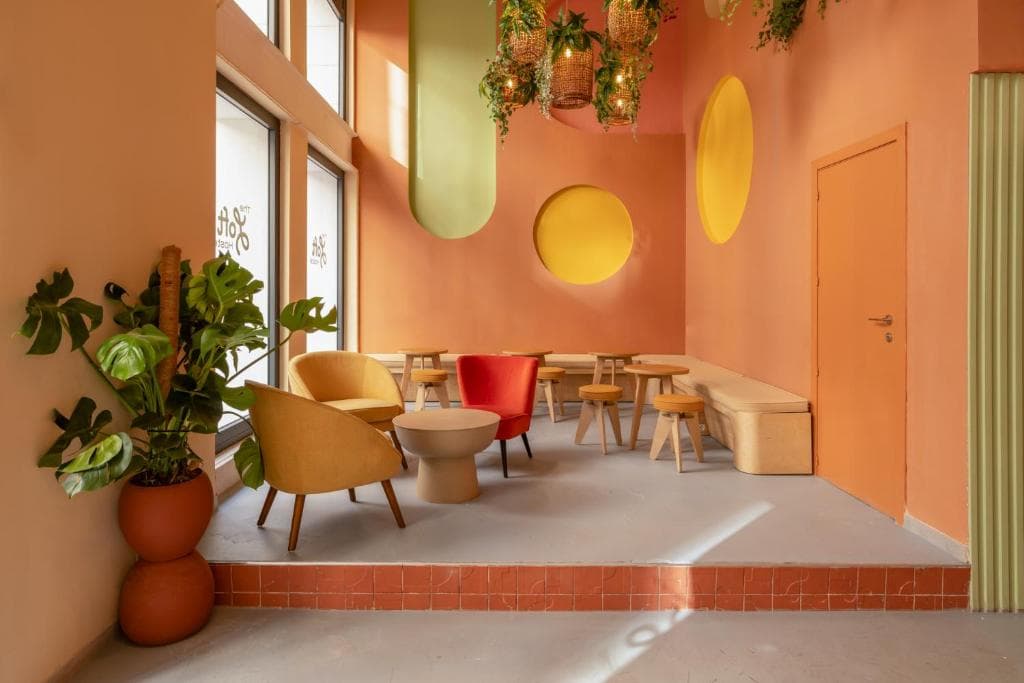
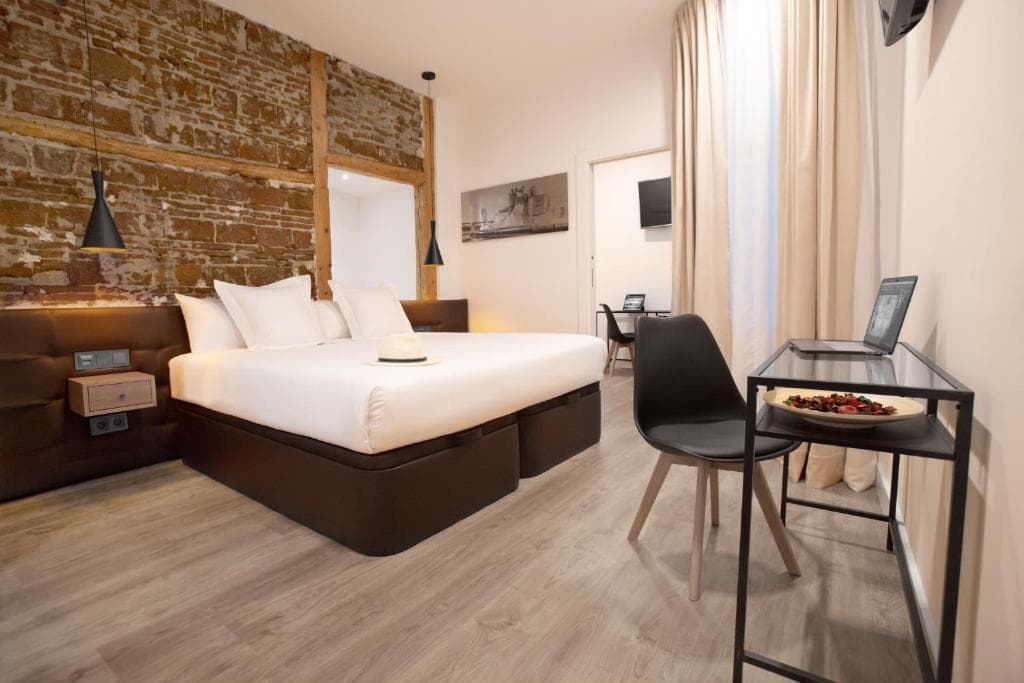
Stays I list in Madrid, including a calm hostel with a 24-hour coworking space. Wherever you book, check for a real desk and air conditioning in summer.
A rough week for one person with a mid-range stay, excluding travel:
Stay
€600–€1,100
For a hotel room with a desk
Food
€150–€250
A menú del día at lunch keeps it affordable
Coworking
€75–€125
For five day passes
Transport
€15–€30
On the metro and buses
Apr–Jun
Warm and green, the best time for terraces and parks
Jul–Aug
Very hot, often around 35°C; many locals leave in August
Sep–Oct
Warm days and a busy cultural season
Nov–Mar
Sunny but cold, with nights close to freezing in January
Madrid-Barajas airport is connected to the centre by metro and the airport express bus. High-speed trains connect Madrid with Barcelona, Valencia, Seville and Málaga in a few hours.
The metro is fast, cheap and covers the whole city. Many neighbourhoods are walkable, and Madrid has a public bike system.
Madrid is in Spain, part of the EU and Schengen. EU citizens only need a valid ID card or passport. If your employer is in another EU country, ask about an A1 certificate, which confirms you stay in your home country's social security system.
Visit the Prado, the Reina Sofía or the Thyssen, some with free evening hours
Walk or row a boat in the Retiro park
Watch the sunset at the Templo de Debod
Do a tapas evening in La Latina, especially on Sunday after the Rastro market
Take a weekend day trip to Toledo or Segovia by train
Yes. It has fast internet, a huge choice of coworking spaces and an excellent city life, especially in spring and autumn.
Madrid for museums, food and a more local big-city feel; Barcelona for the sea and a more international remote work scene.
It is one of the more expensive cities in Spain, but still cheaper than Amsterdam, London or Paris.
Madrid is part of my Spain guide. Compare it with Barcelona, Valencia and Seville, or see the whole region in my Southern Europe guide.