Regional Guide
Southern Europe is where most Northern Europeans picture their first workation: morning coffee in the sun, a normal workday, and the sea or a terrace waiting when you close your laptop. It is also one of the easiest regions to work from.
Southern Europe combines the practical advantages of a European workation, like EU rules and good internet, with a lifestyle that makes evenings and weekends feel like a holiday. Long, light evenings in spring and autumn are perfect for a swim, a walk or dinner outside after work.
Compared with a long-haul trip, the practical side is simple. There is no jet lag, EU roaming covers your phone in the EU countries, and you can travel with just your ID card within the Schengen area.
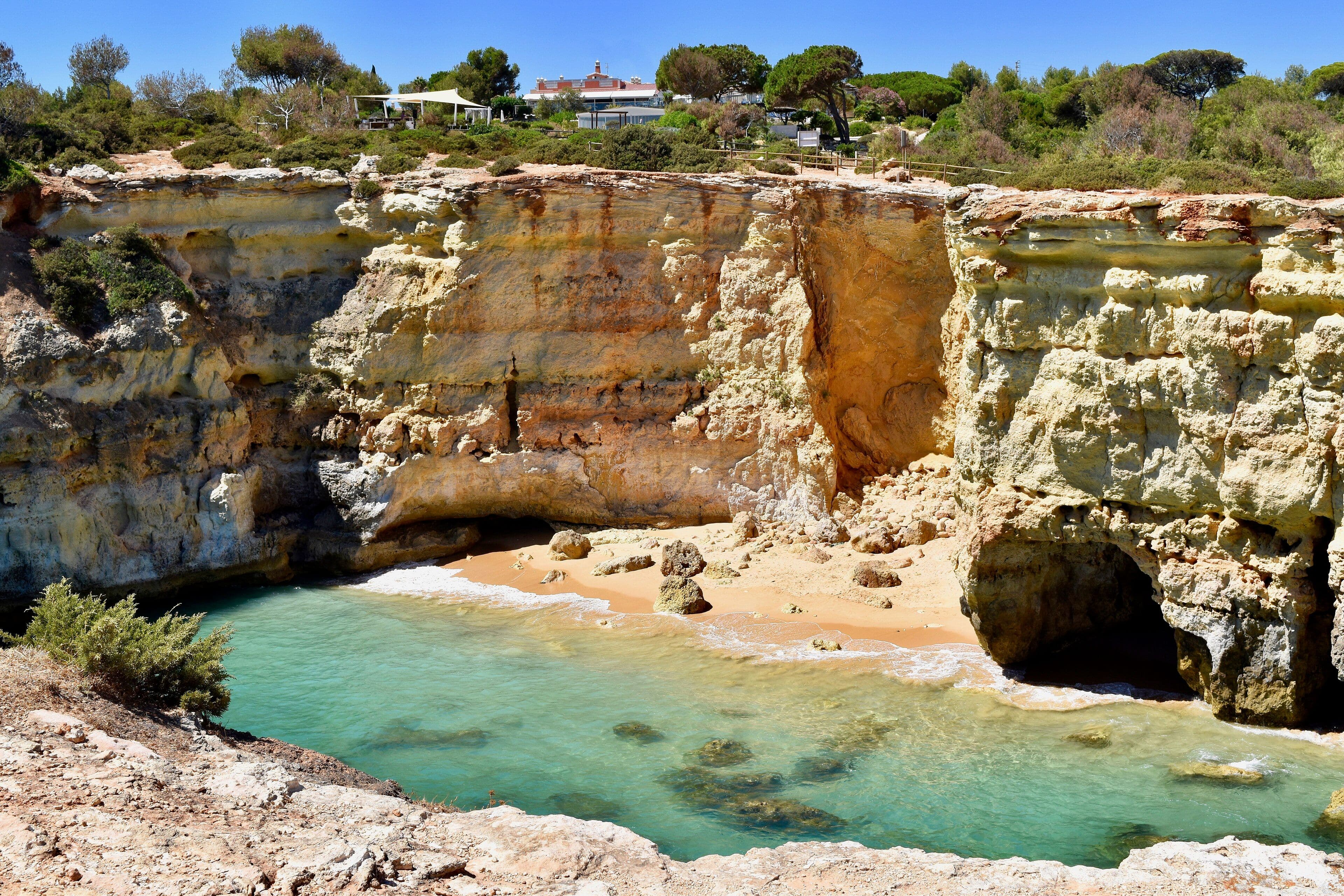
The region is also varied. You can choose a big city (Barcelona, Lisbon, Istanbul), a smaller cultural base (Florence, Málaga), or an island or coastal town (Madeira, the Canaries, Greek islands, the Croatian coast).
• Internet: how fast and reliable it is in cities and the main remote work areas
• Cost per day: a rough budget for one person with a mid-range stay, food, coworking and local transport
• Best months: when the weather is pleasant without the summer peak
Here is how the six countries compare. Each one ends with the stays I list there.
 Most popular
🏙️ City · 🏖️ Beach · 🏝️ Island · 🏛️ Culture
Best months
🏙️ City · 🏖️ Beach · 🏝️ Island
Best months
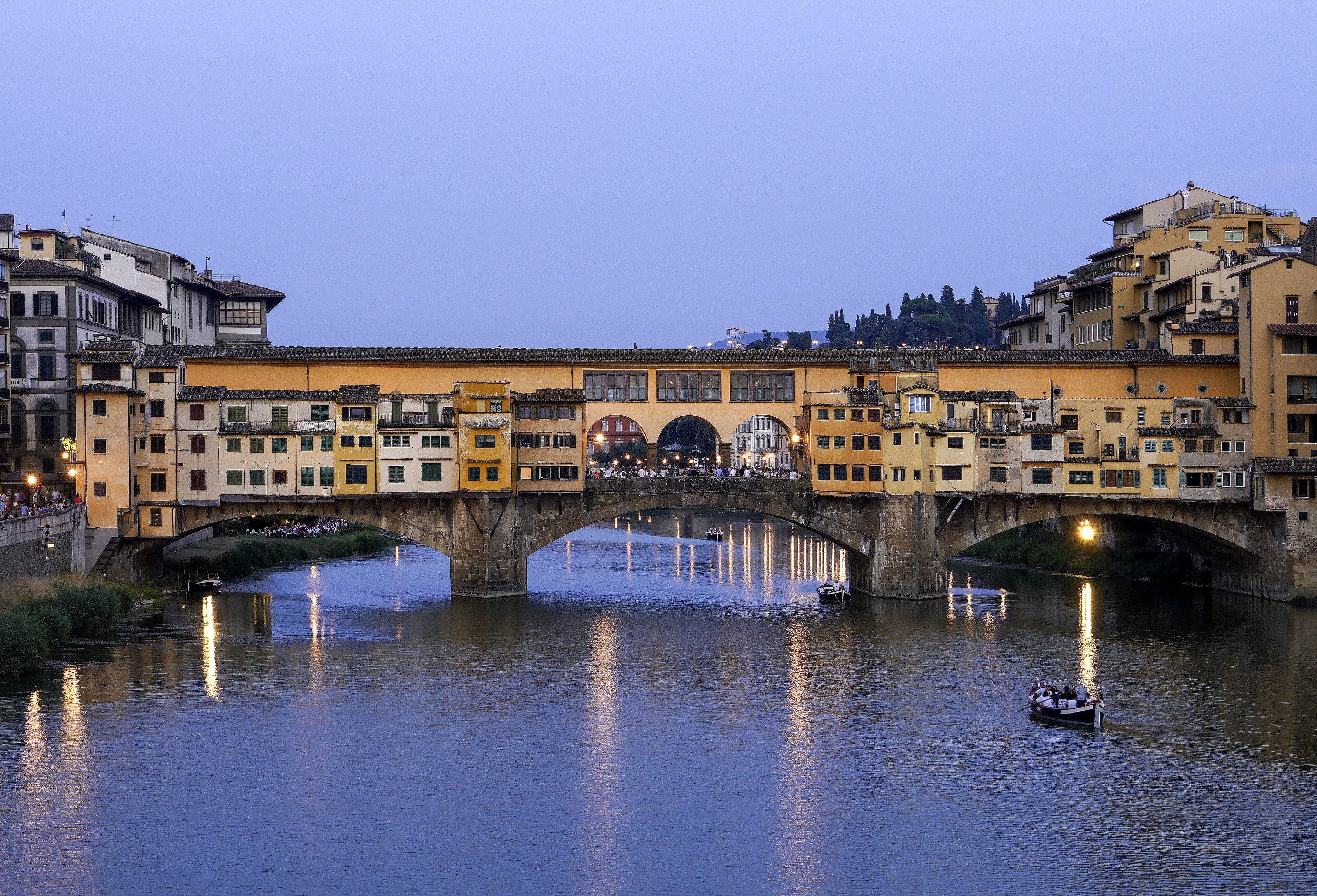
🏙️ City · 🏛️ Culture
Best months
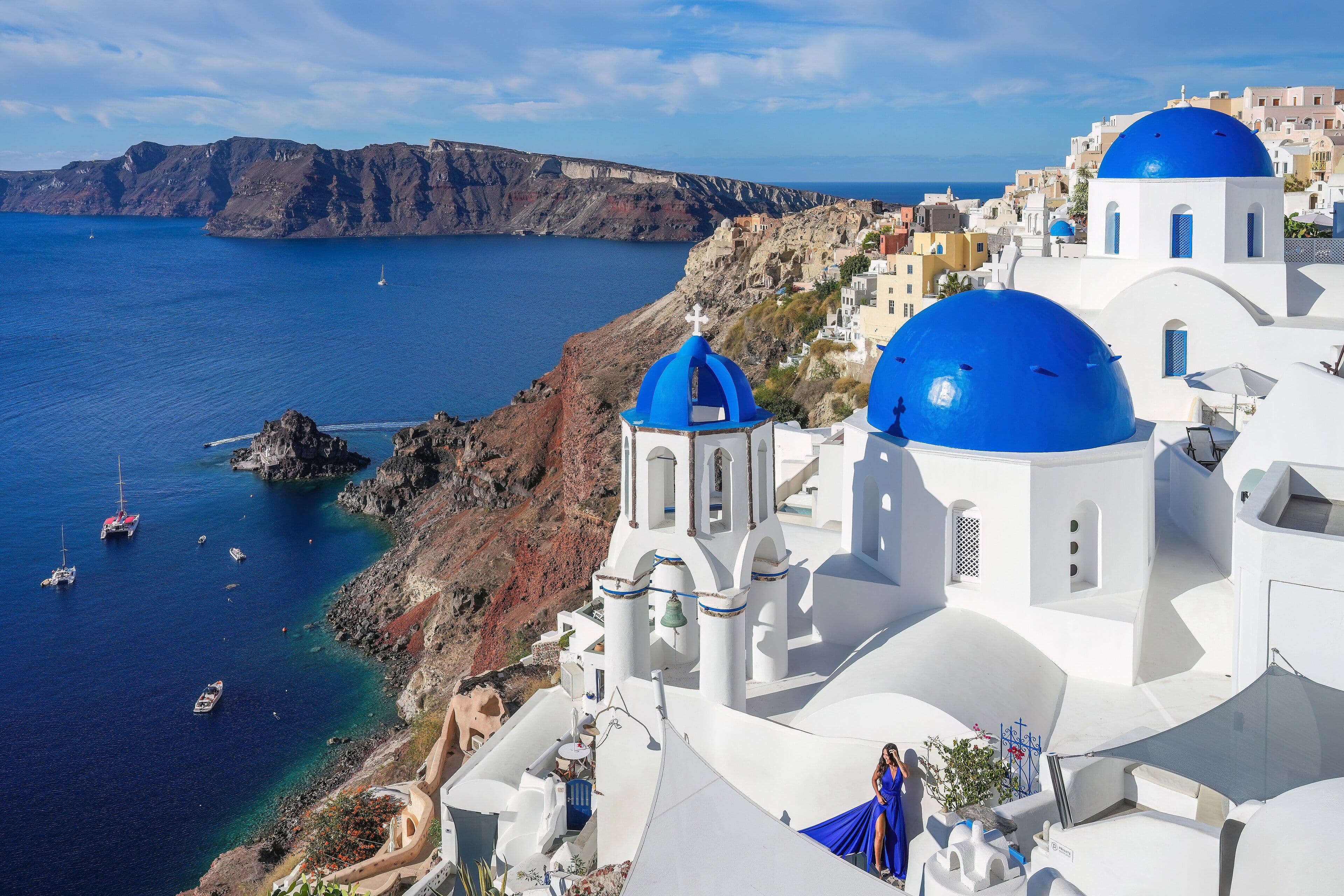
🏙️ City · 🏝️ Island · 🏖️ Beach · 🏛️ Culture
Best months

🏙️ City · 🏖️ Beach · 🏝️ Island · 🏛️ Culture
Best months
 Best value
🏙️ City · 🏖️ Beach · 🏛️ Culture
Best months
At a glance: excellent internet • €110–€250 per day • best March–June and September–November, Canaries November–April
Spain is the most complete workation country in Southern Europe. It has some of the fastest internet in the world, a huge coworking scene in Barcelona, a mild winter base in Málaga, and the Canary Islands for spring weather in January. Daily life runs later than in the north: lunch at 14:00 and dinner at 21:00.
Read my guides to Barcelona, Málaga, the Canary Islands and Las Palmas for the details.
Best for: almost everyone, from first-time workationers to winter sun seekers. Watch out for: summer heat inland, and rising tourist taxes and rents in Barcelona.
At a glance: excellent internet • €100–€220 per day • best April–June and September–October, Madeira all year
Portugal has been Europe's favourite remote work country for years. Fast internet is available almost everywhere, coworking spaces are everywhere in Lisbon and Porto, and Madeira offers mild weather all year.
Best for: first-time workationers and anyone who wants a big international community. Watch out for: rainy winters on the mainland and high accommodation prices in Lisbon. Porto and Madeira often offer better value.
At a glance: good internet in cities • €100–€190 per day • best April–June and September–October
Italy is a workation for food and culture lovers. Florence is compact and walkable, with the Tuscan countryside on its doorstep; Rome, Milan and Bologna are other popular bases. Internet is good in cities but can be slower in older buildings and rural agriturismi, so check before you book.
In Italy, spring and autumn are the best seasons; summers are hot and very busy.
Best for: food and culture lovers who want weekends in the countryside. Watch out for: slower internet in historic buildings and rural stays, and very crowded city centres in summer.
At a glance: good in Athens, variable on islands • €90–€170 per day • best April–June and September–October
Greece offers Athens, a big, lively capital with a growing coworking scene, and hundreds of islands for a slower pace.
Internet in Athens and larger towns is fine for remote work; on smaller islands it varies a lot, so ask for a speed test and bring an eSIM as a backup. Aim for April to June or September to October, when the sea is warm but the crowds and heat of July and August are gone. Many island hotels close from November to March.
Best for: island life in spring or autumn, and a lively capital in Athens. Watch out for: variable island internet and ferry schedules that shrink outside summer.
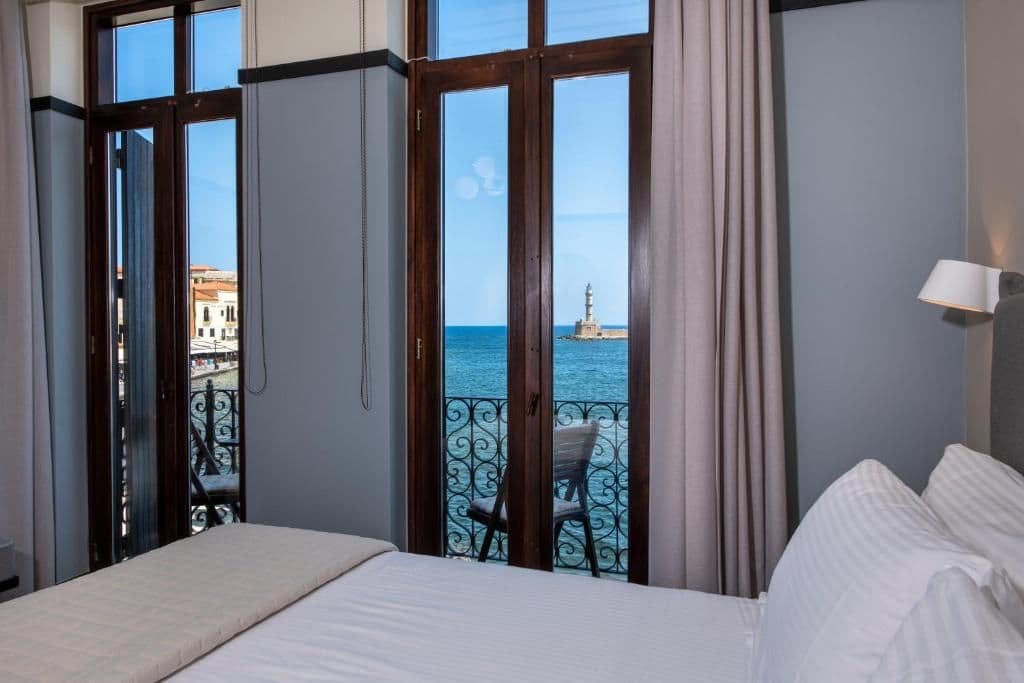
These are the stays I list in Athens and Chania, on Crete.
At a glance: good in towns • €90–€170 per day • best May–June and September
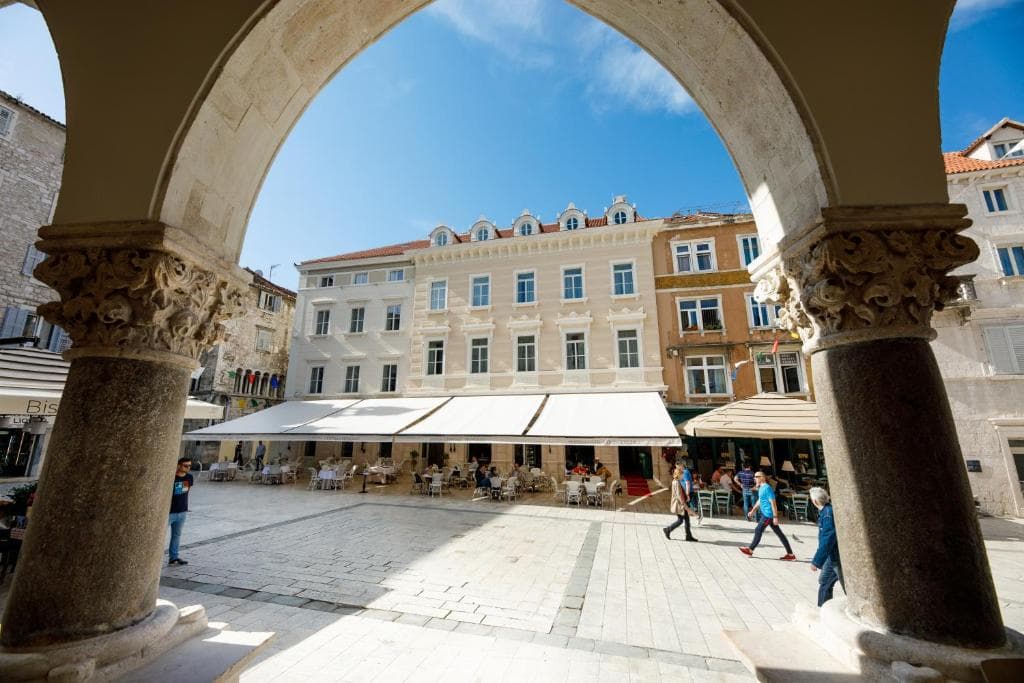
Croatia combines a beautiful coastline, historic towns like Split and Dubrovnik, and islands such as Hvar and Vis. Since 2023, Croatia uses the euro and is part of the Schengen area, which makes travelling there easier.
The coast is extremely busy in July and August; May, June and September are better for a workation. In winter, many coastal businesses close, although Split and Zagreb stay lively.
Best for: remote workers who want a coastal town and island hopping in May, June or September. Watch out for: high-season crowds and prices, and limited coworking options outside the bigger towns.
These are the stays I list in Split and Dubrovnik.
At a glance: good in cities, no EU roaming • €60–€150 per day • best April–June and September–November, Antalya October–May
Turkey gives you two very different options: Istanbul for a big-city workation and Antalya for Mediterranean sun, including mild winters. EU roaming does not apply, so get an eSIM.
Best for: the smallest budget in Southern Europe, and mild winters in Antalya. Watch out for: lira exchange rates, which change quickly, and roaming costs if you forget to get an eSIM.
Because distances are short, it is easy to split a longer workation between two bases:
• Málaga and Seville: around two to three hours apart by train, perfect for a month in Andalusia
• Lisbon and Porto: around three hours by train, a week or two in each
• Lisbon and Madeira: connected by a short domestic flight
• Gran Canaria and Tenerife: connected by ferry and short flights
• Istanbul and Antalya: connected by frequent domestic flights
Change bases at the weekend, so travel days do not eat into your working time.
• Avoid July and August if you can: it is hot, crowded and expensive almost everywhere
• Check that holiday apartments have a valid tourist licence, as several cities are clamping down on illegal rentals
• Ask for air conditioning in summer and heating in winter; many southern homes are cold in January
• Keep an eSIM as a backup, especially on islands and in Turkey
• Ask your employer about an A1 certificate when working from another EU country
Spain and Portugal have the best combination of internet, coworking and community. Italy and Turkey win on food and culture.
The Canary Islands, Madeira, Málaga and Antalya are the mildest options. See my winter sun workation guide.
Not as an EU citizen in EU countries. For Turkey, Dutch citizens can stay visa-free for up to 90 days in 180 days.
In the cities and the main remote work areas, yes. Spain and Portugal have some of the best internet in Europe. On small islands and in rural stays, check reviews and keep mobile data as a backup.
July and August are the hottest, busiest and most expensive months.
See all my European destinations in the Europe workation guide, find the warmest places for November to March in my winter sun guide, or read my individual guides to Spain, Portugal and Turkey.