Country Guide
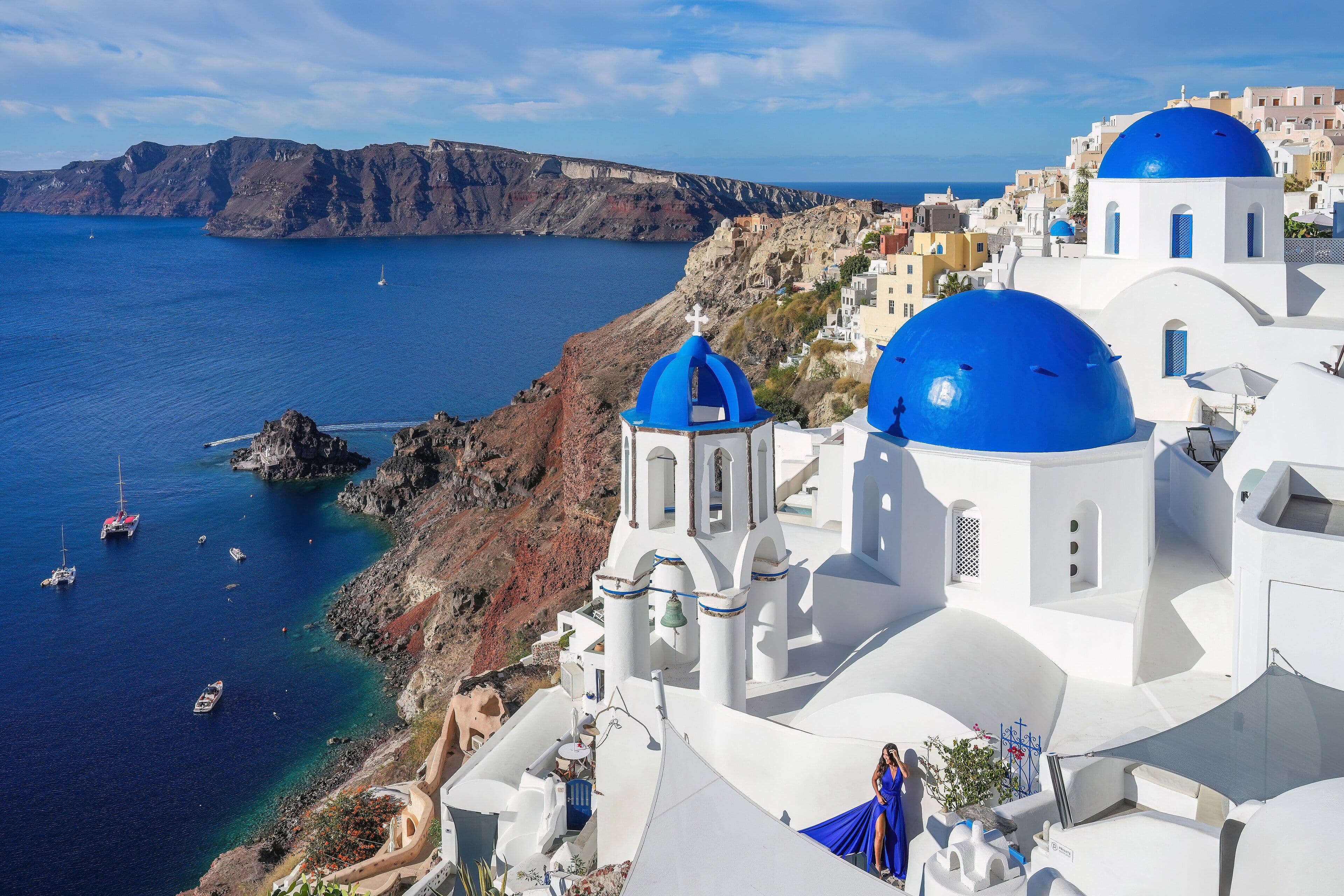
Greece gives you two very different workations: Athens, a big, lively capital with a growing coworking scene and the Acropolis around every corner, and the islands, for a slower pace by the sea. Crete, with the harbour town of Chania, combines both.
Best for
Remote workers who want history, food and the sea within the EU
Best months
April to June, and September to October
Cost per day
Roughly €90–€170 including a mid-range stay
Internet
Good in Athens and larger towns; variable on small islands
Less suited if you travel in July and August, when it is hot and crowded, or want a small island in winter, when many hotels close.
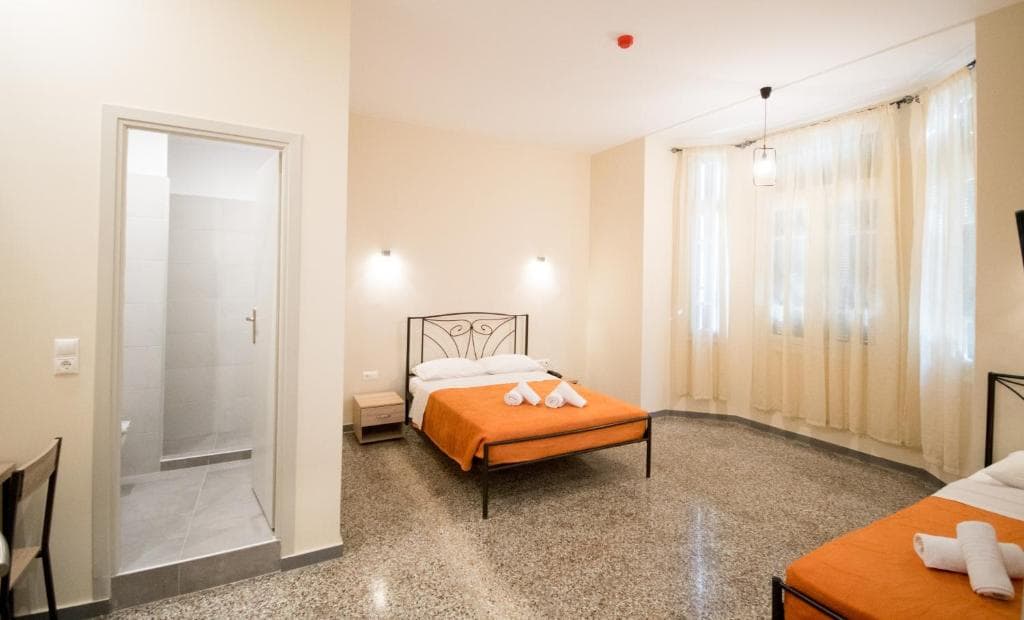
Here is how the two bases compare, with where to work and where to stay in each, followed by the stays I list there.
Coworking day passes in Greece usually cost €15–€25.
A big, energetic capital with ancient sites, great food and a growing remote work scene. It works all year, although July and August are very hot.
Where to work
Impact Hub Athens (around €18 a day), The Cube (around €20) and Stone Soup (around €17 plus VAT)
Where to stay
Koukaki, close to the Acropolis with a strong café culture; Pangrati, local and affordable; Petralona, residential and calm
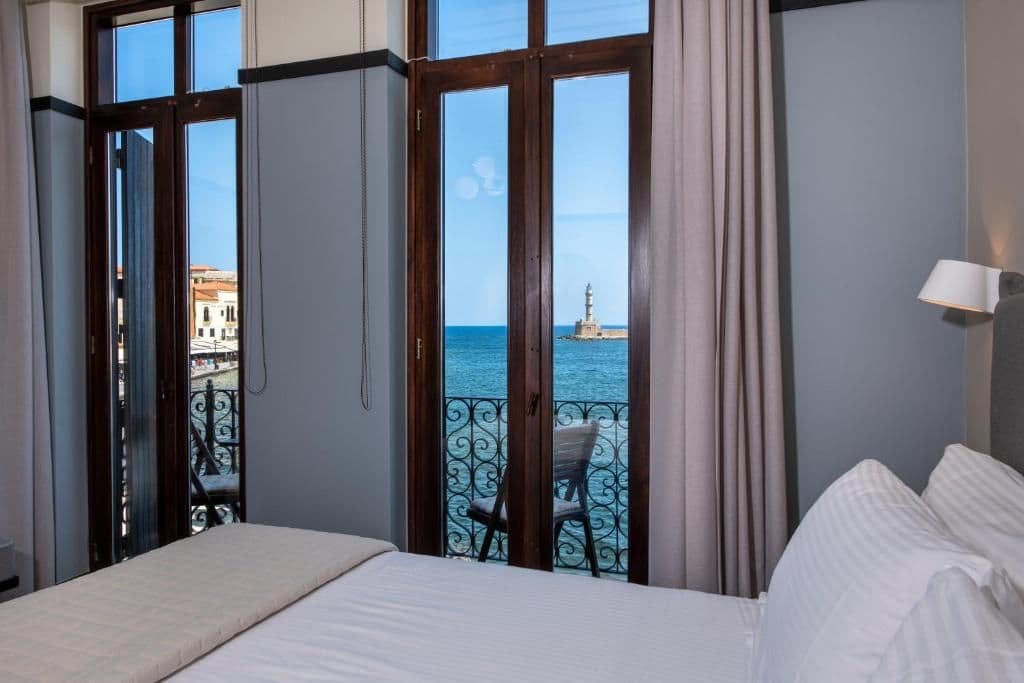
A beautiful harbour town on Crete, with a Venetian old town, beaches nearby and mountains for hiking. Quieter from November to March.
Where to work
Workhub, the first coworking space in Chania, with 24/7 access and day passes from about €16
Where to stay
In or near the old town and the harbour, or in Nea Chora by the beach
Internet in Athens and larger towns such as Chania is fine for remote work. On smaller islands it varies a lot, so ask your stay for a recent speed test.
EU roaming covers you on your normal mobile plan. A European eSIM is an easy backup. Read my guide to eSIMs for workations.
A rough week for one person with a mid-range stay, excluding travel:
Stay
€400–€850
For a hotel room or studio with a desk
Food
€140–€230
Coworking
€80–€125
For five day passes
Transport
€15–€30
In Athens on the metro, or a car on Crete
Also budget for
Apr–Jun
Warm, green and not yet crowded; the best time
Jul–Aug
Hot, often above 35°C in Athens, and busy on the islands
Sep–Oct
Warm sea and fewer crowds
Nov–Mar
Mild and quiet in Athens; many island hotels and ferries reduce their schedules
Athens airport is connected to the centre by metro and suburban train. Crete has airports in Chania and Heraklion, with direct flights from across Europe in season, and ferries from Piraeus.
In Athens, the metro is the easiest way around. On Crete, rent a car to explore the island.
Greece is part of the EU and Schengen. EU citizens only need a valid ID card or passport. If your employer is in another EU country, ask about an A1 certificate, which confirms you stay in your home country's social security system.
Watch the sunset over the Acropolis from Filopappou Hill in Athens
Take a day trip from Athens to Cape Sounion or the islands of Aegina and Hydra
Walk around the Venetian harbour of Chania in the evening
Hike the Samaria Gorge on Crete in spring or autumn
Swim at Balos or Falassarna, on the west coast of Crete
Athens for a city, coworking choice and year-round life; Chania on Crete for the sea, nature and a slower pace from April to October.
Athens, yes: it is mild and lively. Smaller islands are quiet, with limited ferries and many closed hotels.
In larger towns such as Chania, yes. On small islands, check reviews and keep mobile data as a backup.
Compare Greece with Spain, Portugal, Italy, Croatia and Turkey in my Southern Europe guide.