Country Guide
Croatia combines a beautiful Adriatic coastline, historic towns such as Split and Dubrovnik, and islands such as Hvar and Vis. Since 2023, it uses the euro and is part of the Schengen area, which makes travelling there easier.
Best for
Remote workers who want a coastal town and island hopping outside peak season
Best months
May to June, and September
Cost per day
Roughly €90–€170 including a mid-range stay
Internet
Good in the towns; variable on smaller islands
Less suited if you travel in July and August, when prices and crowds peak, or in winter, when many coastal businesses close.
Here is how the two towns compare, with where to work and where to stay in each, followed by the stays I list there.
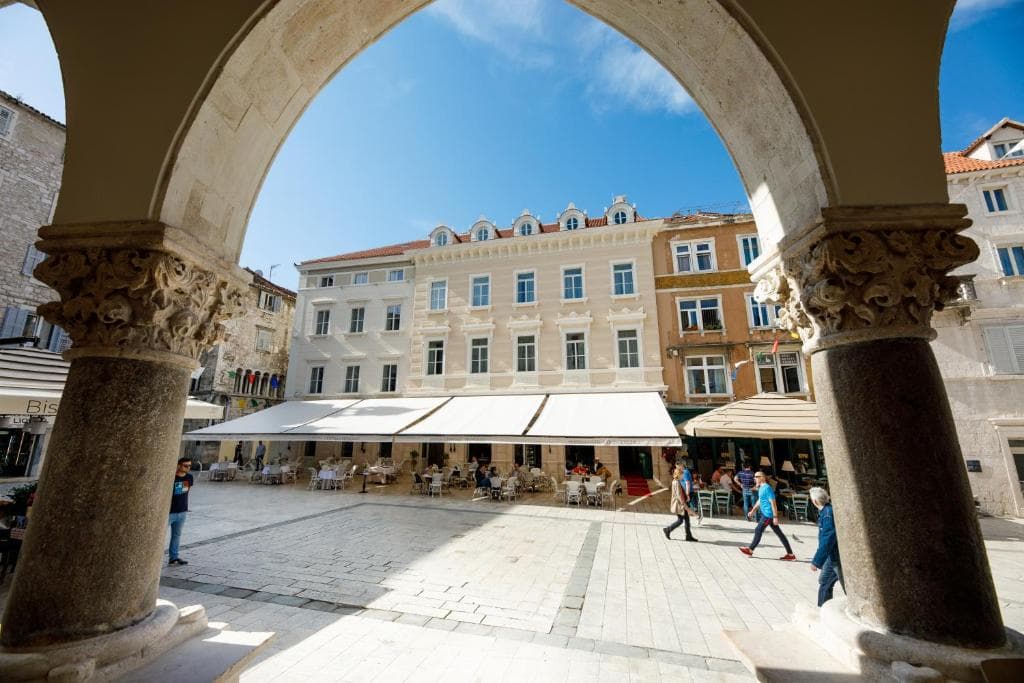
Croatia's second city, built around Diocletian's Palace, with a lively seafront, beaches and ferries to the islands. It stays lively all year.
Where to work
Smartspace and other coworking spaces, with day passes around €25–€30
Where to stay
Close to the old town for walking, or in the quieter neighbourhoods around it such as Bačvice and Meje
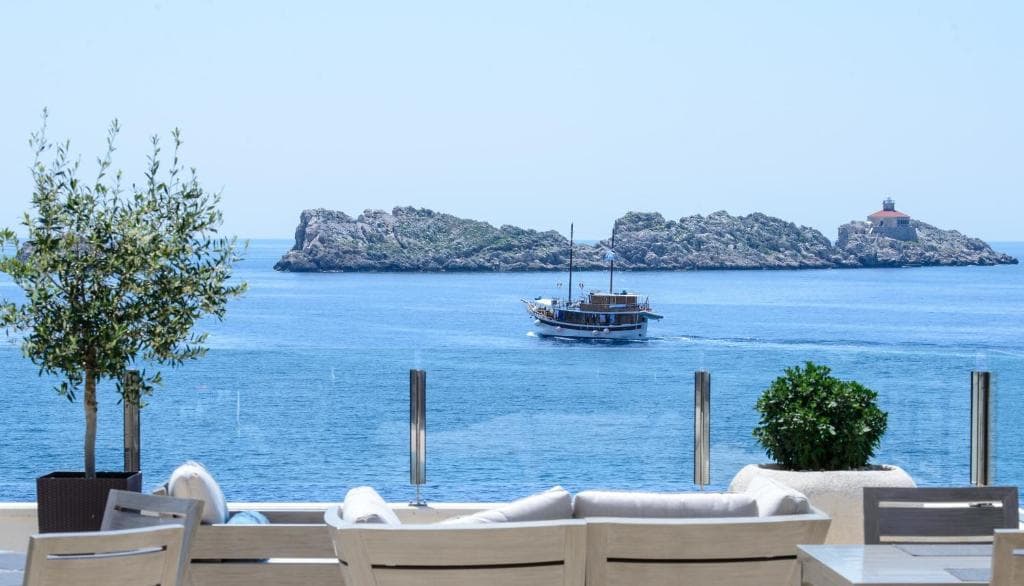
A walled old town on the sea, spectacular but very busy in summer and with cruise ships. Quieter in spring and autumn.
Where to work
A few coworking spaces, but many remote workers work from their stay; check the desk and WiFi before you book
Where to stay
Lapad and Babin Kuk, calmer peninsulas with beaches and buses to the old town
Internet in Split and Dubrovnik is good for remote work. On smaller islands it varies, so ask your stay for a recent speed test.
EU roaming covers you on your normal mobile plan. A European eSIM is an easy backup. Read my guide to eSIMs for workations.
A rough week for one person with a mid-range stay, excluding travel:
Stay
€450–€900
For a hotel room with a desk; much more in July and August
Food
€150–€250
Coworking
€100–€150
For five day passes
Transport
€15–€40
On buses, plus ferries to the islands
Also budget for
May–Jun
Warm, green and before the crowds; the best time
Jul–Aug
Hot, very busy and expensive
Sep
Warm sea and fewer crowds
Oct–Apr
Quiet; many coastal businesses close, although Split and Zagreb stay lively
Split and Dubrovnik both have international airports with direct flights from across Europe, mostly in season. Buses connect the coastal towns, and ferries and catamarans run to the islands.
The old towns are best explored on foot. Split to Dubrovnik takes about four to five hours by bus.
Croatia is part of the EU and Schengen. EU citizens only need a valid ID card or passport. If your employer is in another EU country, ask about an A1 certificate, which confirms you stay in your home country's social security system.
Walk through Diocletian’s Palace in Split in the evening
Take a ferry to Hvar, Brač or Vis for the weekend
Walk Dubrovnik’s city walls early in the morning, before the crowds
Swim at Bačvice beach in Split
Visit Krka National Park or the Plitvice Lakes
Split for a lively town that works all year and easy island hopping; Dubrovnik for a spectacular old town, best outside peak season.
Yes, since 2023, and it is part of the Schengen area.
Split, yes; it stays lively. Dubrovnik and the islands are very quiet, and many places close.
Compare Croatia with Spain, Portugal, Italy, Greece and Turkey in my Southern Europe guide.