City Guide
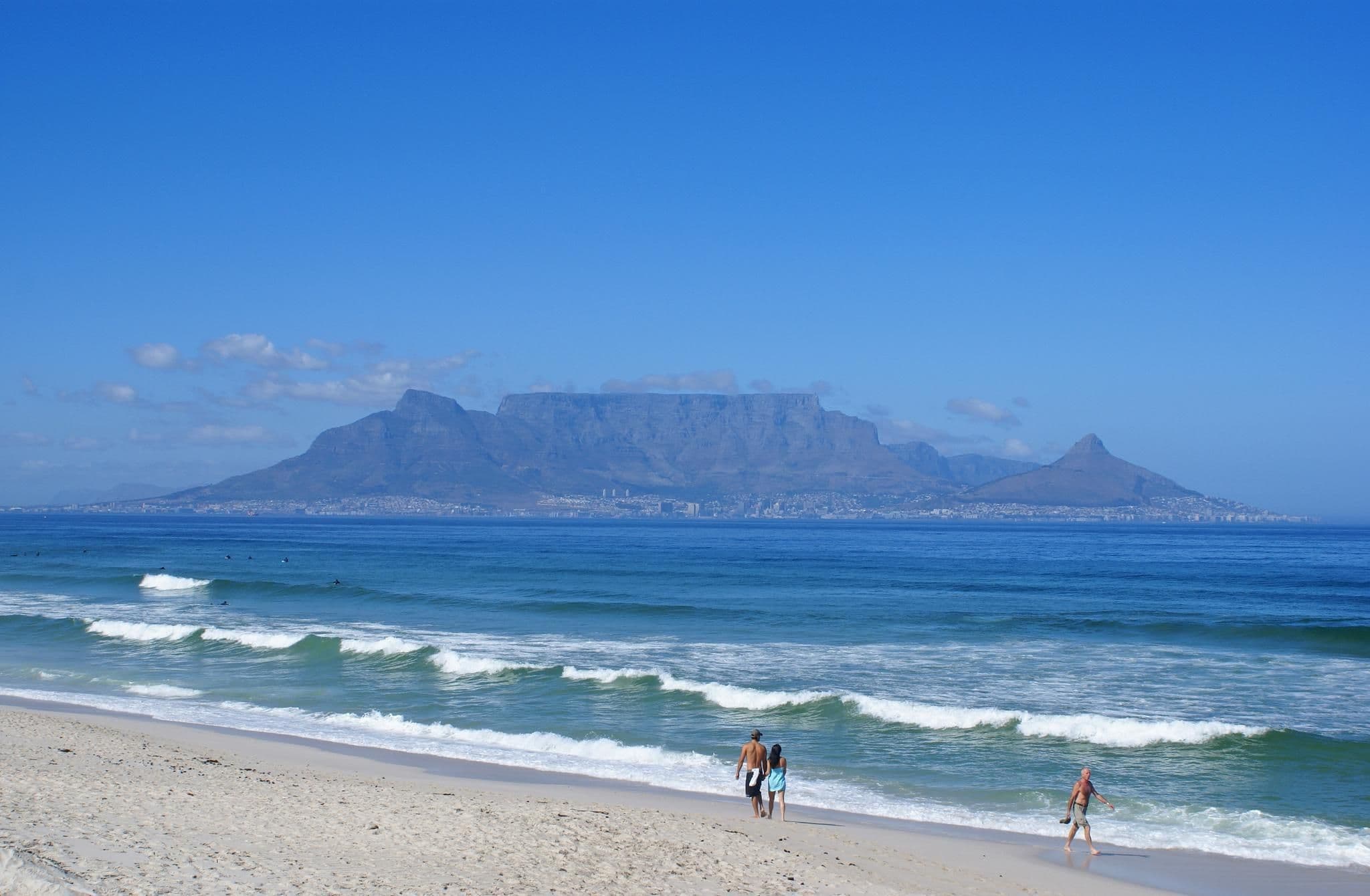
Cape Town is the rare long-haul workation that barely touches your working hours. When it is winter in Europe, it is summer in Cape Town, and the time difference with Central Europe is only one hour. Add mountains, beaches, wine country and a large remote work community, and you have one of the most spectacular places to work from between November and March.
Best for
Remote workers who want summer in European winter without a big time difference
Best months
November to March
Time difference with CET
+1 hour in European winter, none in European summer
Cost per day
Roughly €80–€170 including a good stay
Internet
Fast in the main neighbourhoods; ask about backup power
Less suited if you want to walk everywhere at any time of day, or you are travelling on a tight budget. It is a long-haul trip for most Europeans, and safety requires a bit more planning than in Europe.
The central neighbourhoods, from the CBD to Sea Point and Green Point, have fast internet, and coworking spaces are well set up for calls.
Power cuts (load-shedding) used to be the biggest problem for remote workers in South Africa. National load-shedding has been suspended since early 2025, with 483 days without it as of September 2026, and Eskom did not need it during winter 2026. Local outages from faults or maintenance can still happen, so it is worth choosing a stay with an inverter or backup power.
South Africa is not in the EU roaming zone. Buy an eSIM or local SIM for mobile data. Read my guide to eSIMs for workations.
Workshop17 (V&A Waterfront and Kloof Street)
Cape Town's best-known coworking brand, with a location in the Watershed at the V&A Waterfront and one on Kloof Street in Gardens. Memberships start around R2,280 a month excluding VAT (about €120); check day pass options.
Ideas Cartel (V&A Waterfront)
A premium, stylish space with more than 100 coworking desks. Day passes cost around R200 excluding VAT (about €11).
Neighbourgood
A mix of coliving, coworking and short-term apartments in several Cape Town locations, with day passes available.
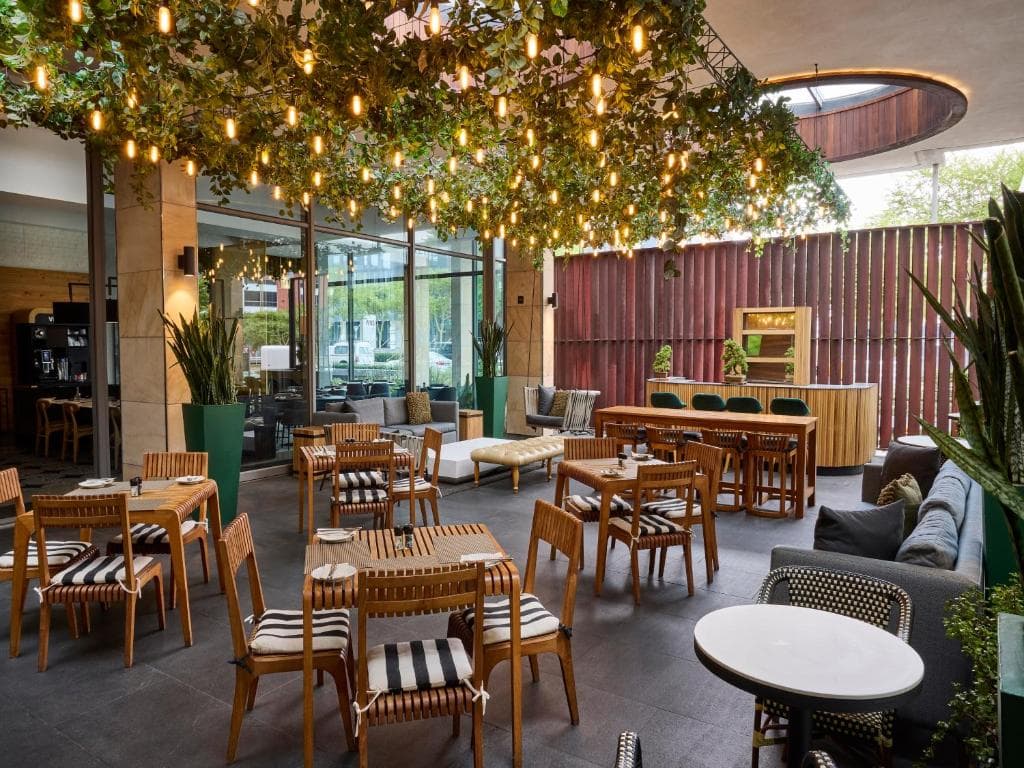
Sea Point, Green Point and Kloof Street have many laptop-friendly cafés. Before you settle in for a long call, ask whether the café has backup power, because local outages can still happen.
Sea Point
Walkable, social and full of cafés, with the long promenade along the ocean. Considered one of the safer areas, with private security and neighbourhood patrols.
Green Point
Between Sea Point and the V&A Waterfront, close to Green Point Park and the stadium. Good balance of safety, price and convenience.
Gardens and the City Bowl
At the foot of Table Mountain, with Kloof Street's restaurants and Workshop17 nearby.
Camps Bay
Beautiful beach and sunsets, but expensive and more of a holiday than a work base.
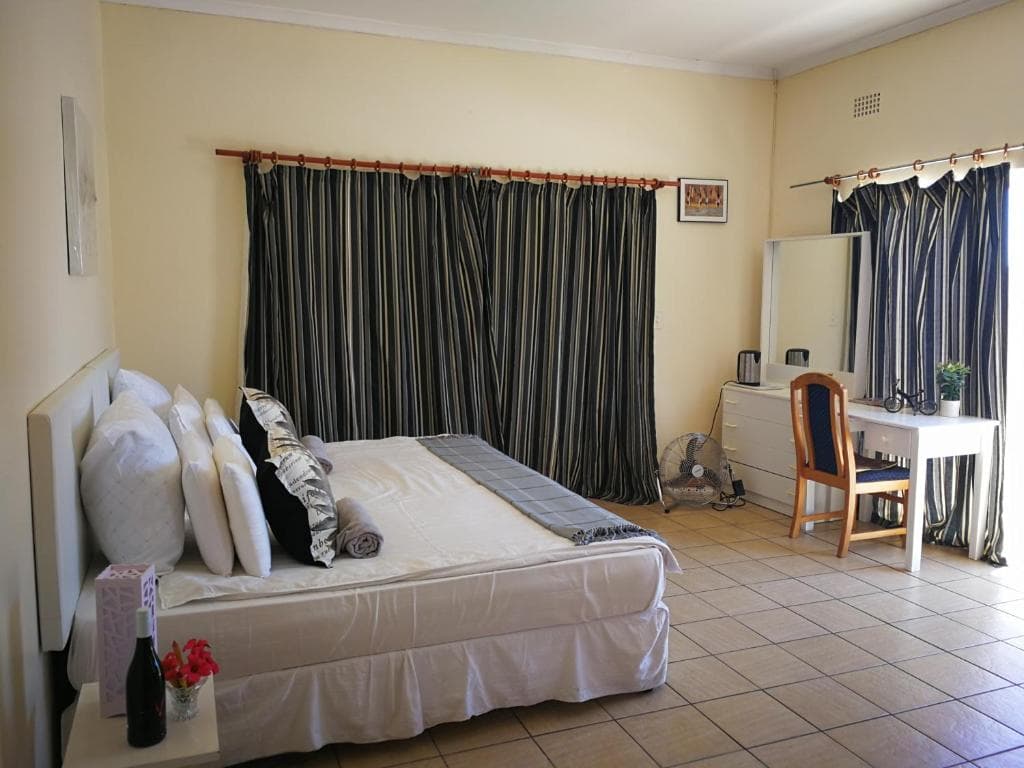
Three stays I list in Cape Town. Century City Hotel Urban Square promotes ergonomic seating and backup power for remote workers, but is about 10 km from the centre; the other two are in Green Point. Wherever you book, look for secure access, a desk, fast internet and backup power.
A rough week for one person, excluding flights. The rand is around R19 to the euro:
Stay
€350–€800
For a good apartment or boutique hotel; prices peak over Christmas
Food
€100–€200
Eating out is good value by European standards
Coworking
€50–€90
For five days
Transport
€40–€90
Mostly Uber, or around €150–€250 for a week of car hire
Also budget for
From late October to late March, Cape Town is one hour ahead of Central European Time; in European summer there is no difference at all. That makes it one of the easiest long-haul workations.
Nov
Around 22°C by day, green and not yet busy
Dec–Jan
Peak summer and peak prices; the strong south-easter wind can blow for days
Feb–Mar
Warm, often the calmest and most settled weather; around 27°C highs in March
Apr–May
Autumn, quieter and still pleasant
Jun–Aug
Winter, cooler and rainy; not the season for a sun workation
Cape Town International Airport is about 20 minutes by car from the city centre, depending on traffic. Because the time difference with Europe is so small, there is no real jet lag.
Uber and Bolt are the easiest and safest way to get around, especially in the evening. The MyCiTi bus connects the airport and some neighbourhoods. For day trips to Cape Point or the winelands, rent a car; South Africa drives on the left.
Dutch citizens can visit South Africa visa-free for tourism for up to 90 days. Your passport must be valid for at least 30 days after your planned departure and have at least two blank pages for stamps. Business activities require a visa.
South Africa has also introduced a remote work visa for longer stays; check whether it applies to you.
Hike Lion's Head for sunset, or take the cable car up Table Mountain
Visit the penguins at Boulders Beach and drive on to Cape Point
Spend a Saturday in the Stellenbosch or Franschhoek winelands
Catch a summer sunset concert at Kirstenbosch Botanical Garden
Swim at Clifton or Camps Bay (the water is cold)
Areas like Sea Point, Green Point and Gardens are popular and generally considered safer, but crime is a real issue. Use Uber at night, keep valuables out of sight and follow local advice.
National load-shedding has been suspended since early 2025, but local outages can happen. Choose a stay with backup power.
One hour ahead in European winter, no difference in European summer.
Not for tourist visits of up to 90 days as a Dutch citizen. Check your passport validity and blank pages before you fly, because airlines can refuse boarding if they are not in order.
Not in the city, where Uber is cheap and convenient. For Cape Point, the winelands and beaches further away, a rental car gives you much more freedom.
November to March, with February and March often the most settled.
Cape Town is the long-haul option in my winter sun workation guide. Prefer to stay in Europe? Compare it with Madeira, the Canary Islands and Málaga.