Country Guide
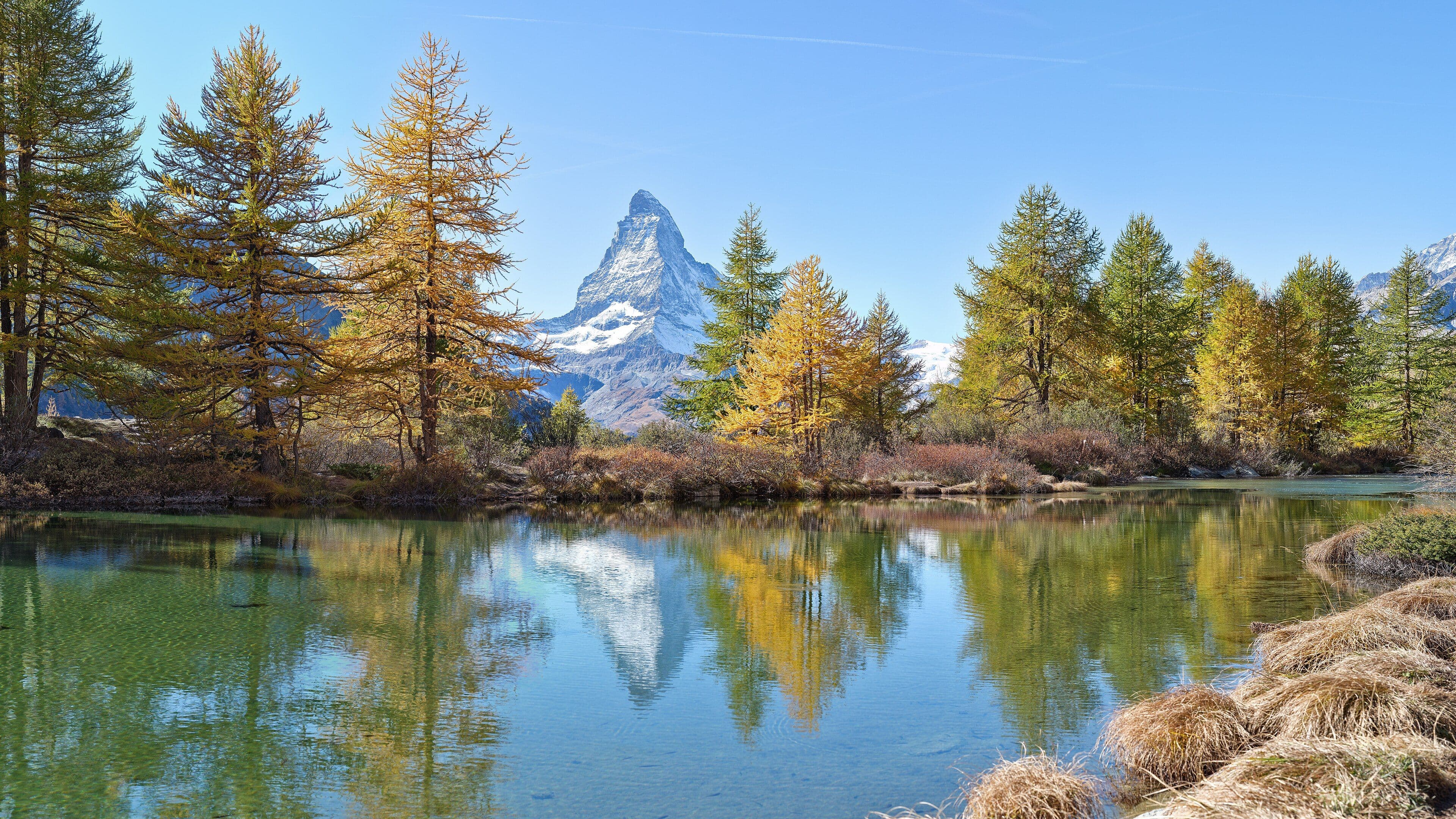
Switzerland is an expensive but unforgettable workation destination. You can spend the day working in a modern coworking space and the evening swimming in a lake or river, with the Alps a short train ride away. Zurich and Bern are both excellent bases, and the Swiss public transport network makes weekend trips effortless.
Best for
Hikers, lake swimmers and remote workers who value quality over cost
Best months
May to September
Cost per day
Roughly €200–€320 including a mid-range hotel
Internet
Excellent; note that EU roaming does not apply
Less suited if you are on a tight budget. Switzerland is one of the most expensive countries in Europe.
Both cities make great summer bases. Here is how they compare, with where to work and where to stay in each, followed by the stays I list there.
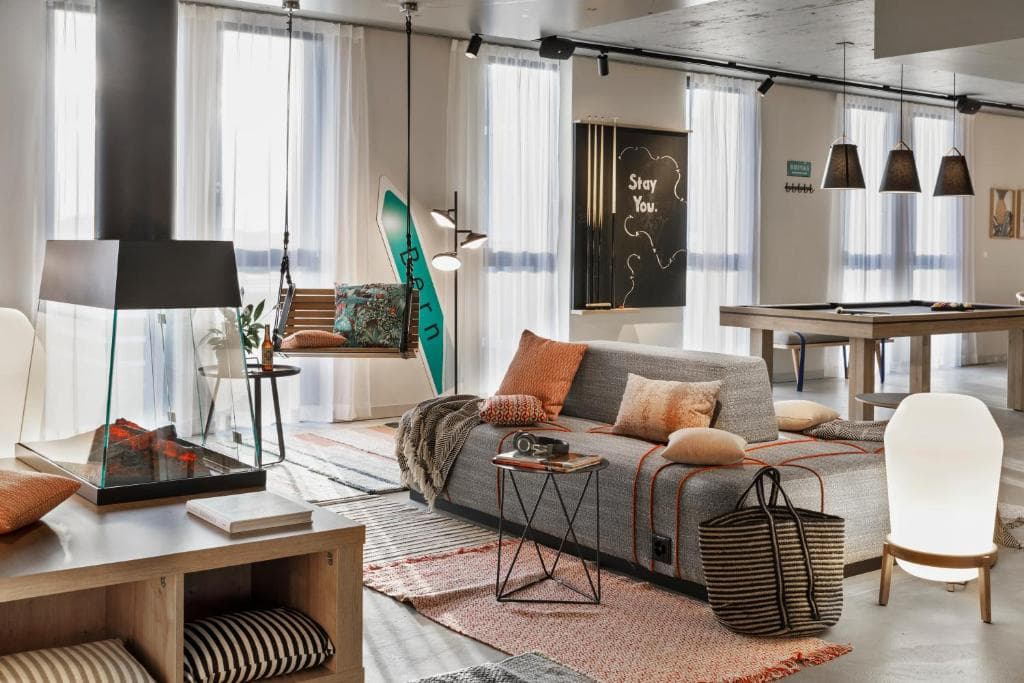
Monthly desks in Swiss coworking spaces range widely, from around CHF 235 to well over CHF 1,000. At Swiss café prices, a coworking day pass can be the more comfortable choice.
 Most popular
🏙️ City · 🌿 Nature
Best months
 Best value
🏙️ City · 🏛️ Culture · 🌿 Nature
Best months
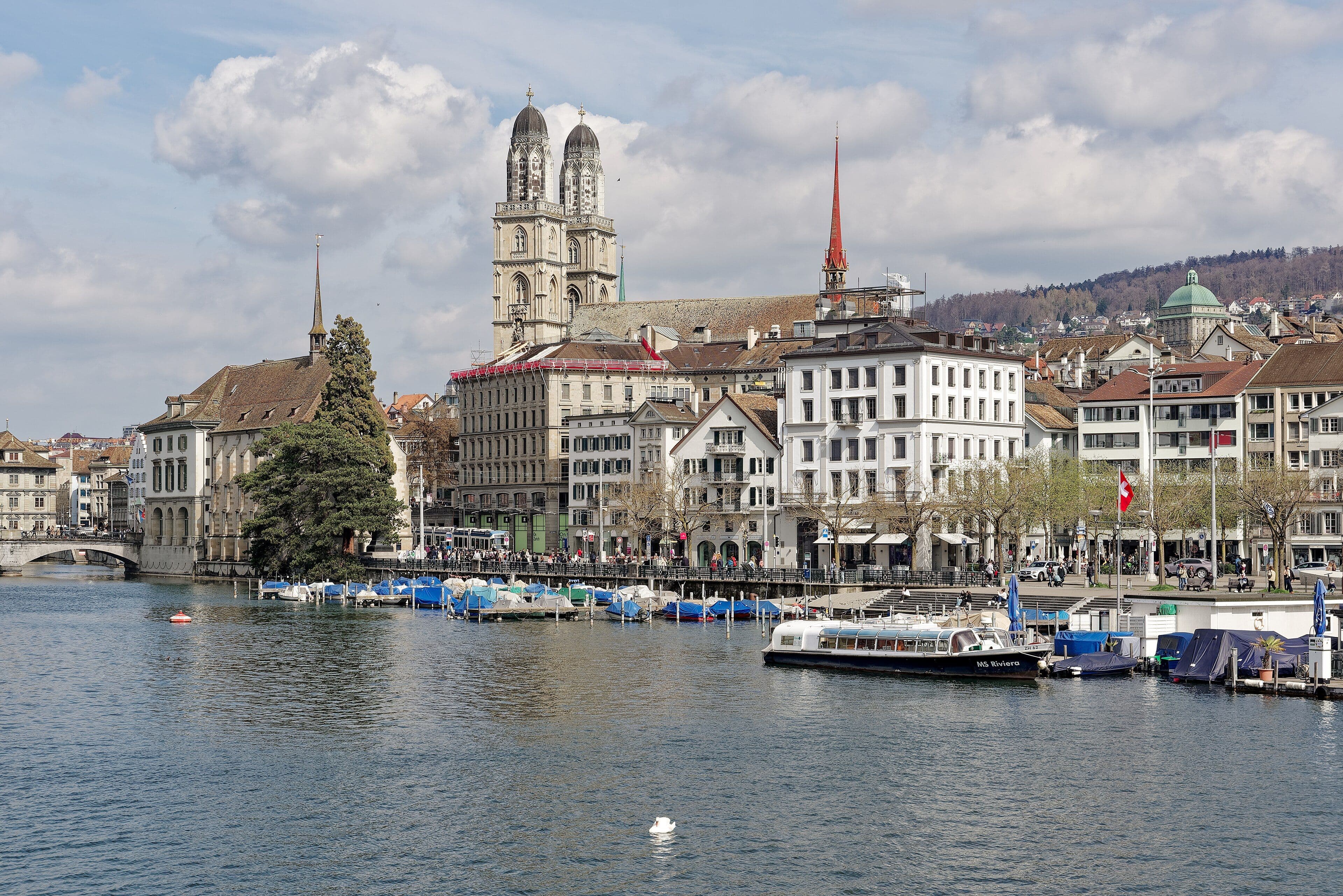
Switzerland's biggest city: international, lively and set on a lake, with the most coworking spaces and restaurants.
Where to work
Impact Hub Zürich, with several locations including Colab near the main station; a day pass costs around CHF 45
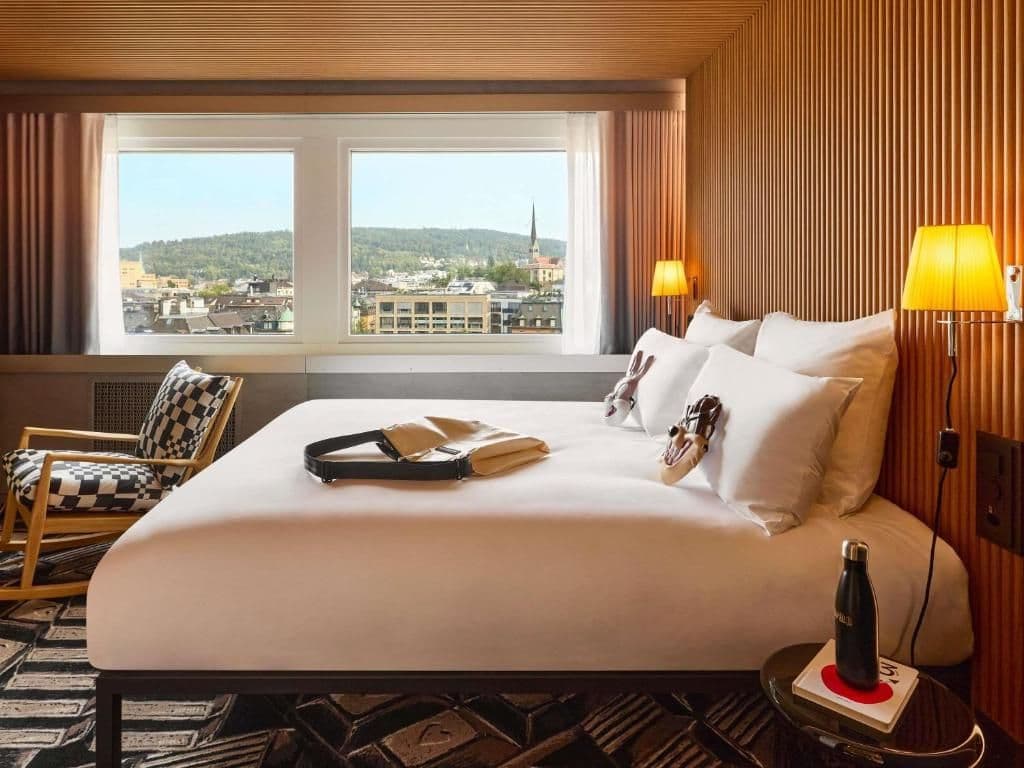
Where to stay
The old town for a central, beautiful base; Kreis 4 and 5 (around Langstrasse and Zurich West) for a creative area with restaurants and bars
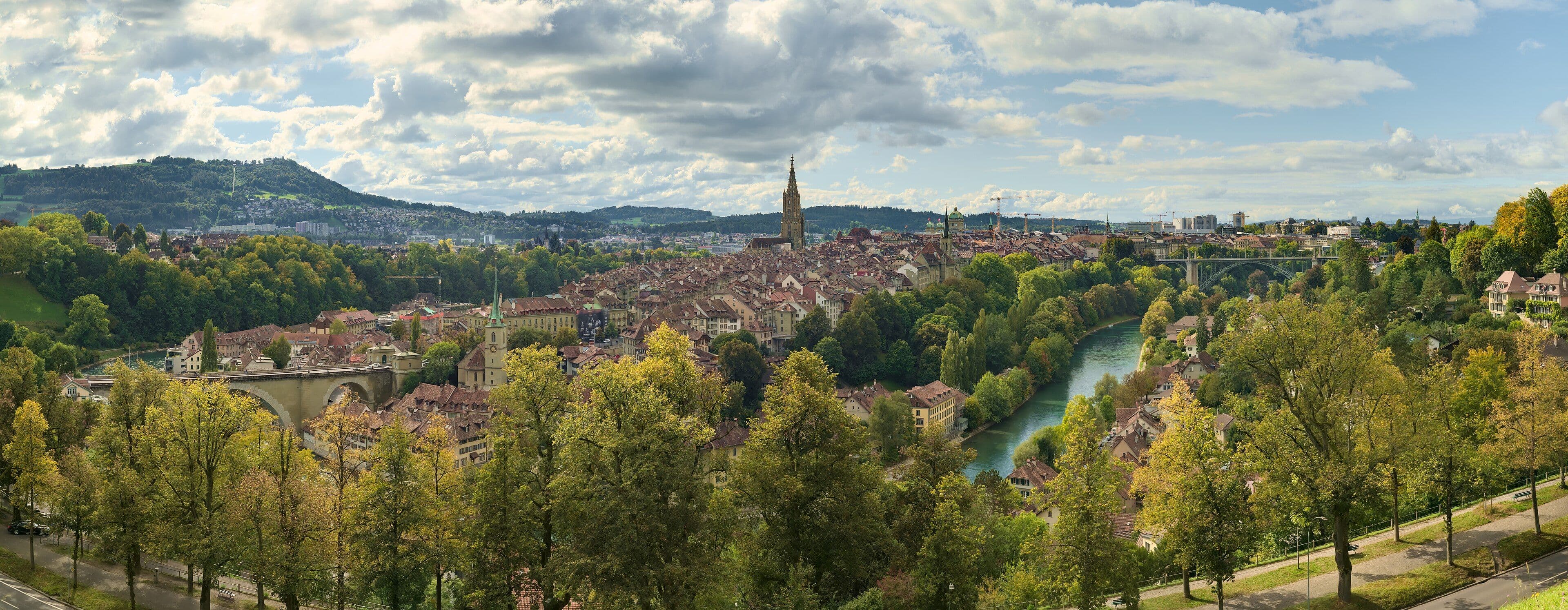
The Swiss capital, smaller and calmer, with a UNESCO-listed medieval old town and the Aare river running around it. A great base for trips into the Bernese Oberland.
Where to work
Impact Hub Bern, with a day rate of around CHF 45
Where to stay
In or near the old town, close to the Aare and the arcades, or Länggasse, a relaxed university area close to the station
Switzerland has excellent WiFi and mobile internet. Hotels, coworking spaces and cafés have fast WiFi, and mobile internet is good even on many mountain routes.
Switzerland is not in the EU, and the EU roaming regulation does not apply. Many EU providers charge extra for data in Switzerland, so check your plan or get a Swiss or European eSIM that includes Switzerland. Read my guide to eSIMs for workations.
Switzerland uses the Swiss franc (CHF). Cards and mobile payments are accepted almost everywhere.
A rough week for one person with a mid-range hotel, excluding travel:
Stay
€1,000–€1,700
For a hotel room
Food
€300–€500
Supermarkets and lunch menus are the best value
Coworking
Around €240
For five day passes
Transport
€50–€150
Depending on how many trips you take; a Half Fare Card or Swiss Travel Pass can save money
Also budget for
In summer, the best part of the day often starts after work.
Dec–Mar
Ski season in the mountains; cold and often grey in the cities
Apr–May
Spring in the cities, some mountain routes still closed
Jun–Aug
Warm, perfect for lake and river swimming and high-mountain hikes
Sep
Often stable, clear weather, excellent for hiking and quieter than summer
Oct–Nov
Autumn colours, then quieter and wetter
Zurich Airport has a train station with frequent trains to Zurich main station in around 10–15 minutes, and direct trains to Bern and many other cities. Switzerland also has excellent international rail connections to Germany, France, Italy and Austria.
Swiss public transport is famously punctual. Trains, trams, buses, boats and mountain railways are all connected, and the SBB app makes planning easy. Zurich and Bern are around an hour apart by train, so you can easily combine them.
Switzerland is not in the EU, but it is part of the Schengen area and has free movement with the EU. EU citizens can enter with a valid ID card or passport. For working remotely from Switzerland for a foreign employer, ask your employer about social security rules and an A1 certificate, as the EU coordination rules also apply to Switzerland.
Swim in the Aare in Bern: walk upstream along the river, jump in and let the current carry you back to town (only if you are a confident swimmer).
Swim or relax at one of Zurich's lake and river baths (Badi).
Take a day trip to the Bernese Oberland, with Interlaken, Grindelwald and Lauterbrunnen.
Ride up the Uetliberg, Zurich's local mountain, for sunset views over the city and the Alps.
Explore Bern's old town arcades and the Zytglogge clock tower.
It is expensive, but a week or two is manageable with supermarket meals, lunch menus and a good-value hotel.
No. Check your plan or get an eSIM that includes Switzerland.
Zurich for an international city and more coworking; Bern for a calmer old town and easy access to the mountains.
Some places accept euros, but you usually get a poor rate. Pay in Swiss francs by card.
Switzerland is part of my Europe workation guide. For another summer workation, see my Sweden guide; for winter, my winter sun workation guide.