City Guide
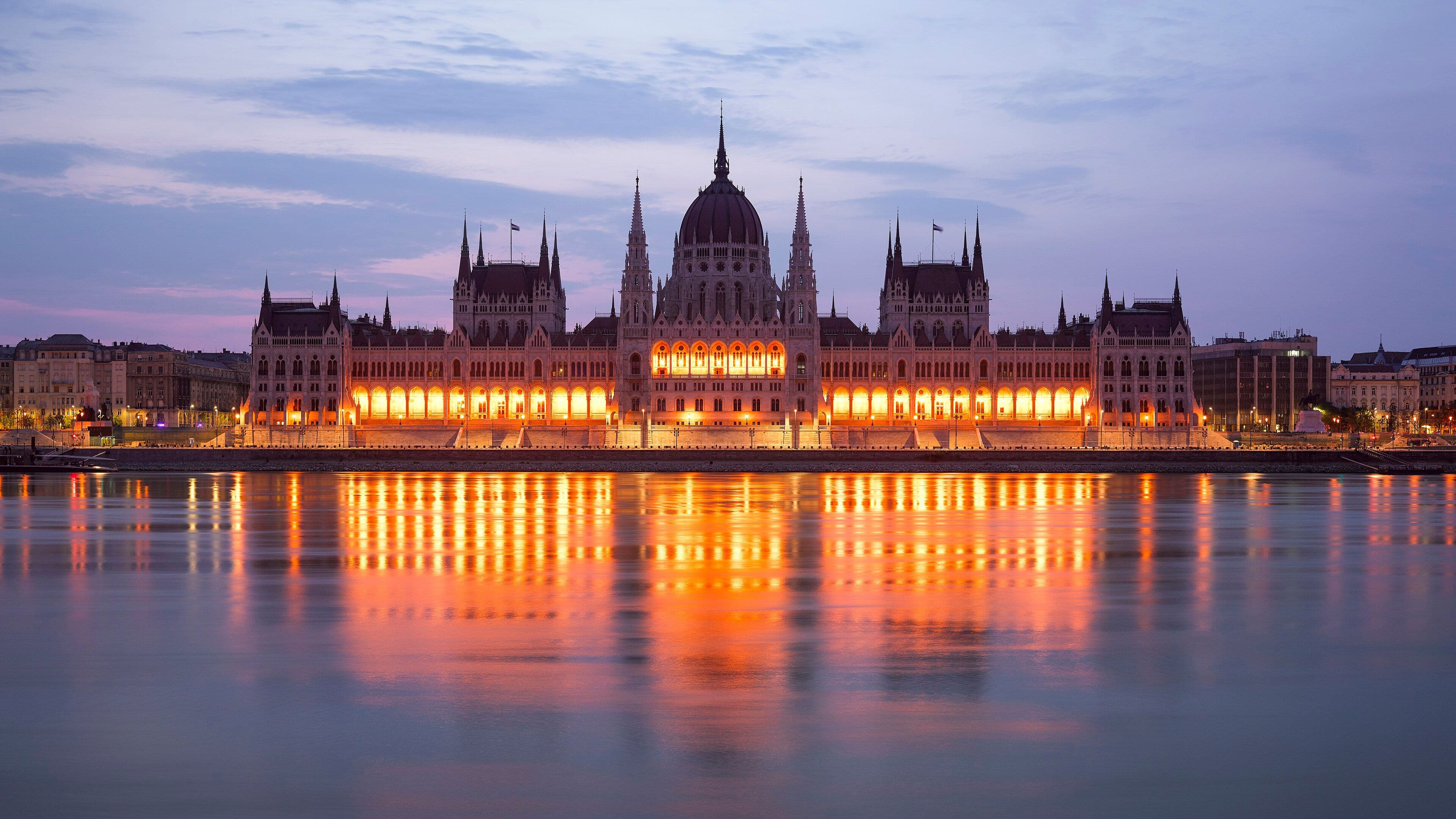
Budapest is one of the best-value city workations in Europe. It combines grand architecture on both banks of the Danube, a strong café culture, thermal baths for after work and coworking spaces that cost less than in most Western European capitals.
Best for
Remote workers who want a beautiful, lively city on a smaller budget
Best months
April to June and September to October
Cost per day
Roughly €80–€140 including a mid-range hotel
Internet
Fast and reliable in hotels, cafés and coworking spaces
Less suited if you want beach or winter sun. Winters are cold and grey, and summers can be very hot.
Hungary has good internet, and in Budapest most hotels, apartments and cafés have fast WiFi. Coworking spaces are well equipped for video calls.
Hungary is in the EU, so EU roaming rules apply to your normal mobile plan. A European eSIM is a useful backup if your plan's data abroad is limited. Read my guide to eSIMs for workations.
Hungary uses the forint (HUF), not the euro. Cards are accepted almost everywhere. When a card machine or ATM offers to charge you in euros, choose forints for a better exchange rate.
Coworking day passes in Budapest usually cost around €18–€25.
KAPTÁR
A well-known coworking space with long opening hours (8:00–20:00). A full day ticket costs €18 plus VAT.
Impact Hub Budapest
Part of the global Impact Hub network, with a community of social entrepreneurs and startups. Day passes cost around HUF 8,255 (about €22).
Loffice
A coworking brand with locations in Budapest, offering a LoFlex daily pass of around HUF 9,500 plus VAT.
Budapest's café culture is famous, from grand historic coffee houses to modern specialty coffee bars. Modern cafés in Districts VI and VII are the most laptop-friendly; the grand historic cafés are better for a coffee break than a workday.
District V (Belváros-Lipótváros)
The central business and government district along the Danube, near the Parliament and St Stephen's Basilica. Elegant and central, but more expensive.
District VI (Terézváros)
Around Andrássy Avenue and the Opera, with lots of restaurants, cafés and good metro connections.
District VII (Erzsébetváros)
The former Jewish Quarter and home of the ruin bars. Lively and full of character, but noisy at night; choose a street away from the bar zone.
District XIII and the Buda side
Újlipótváros in District XIII is a calmer residential area by the river. On the Buda side, areas near Margaret Island and the Castle District are quieter and greener.
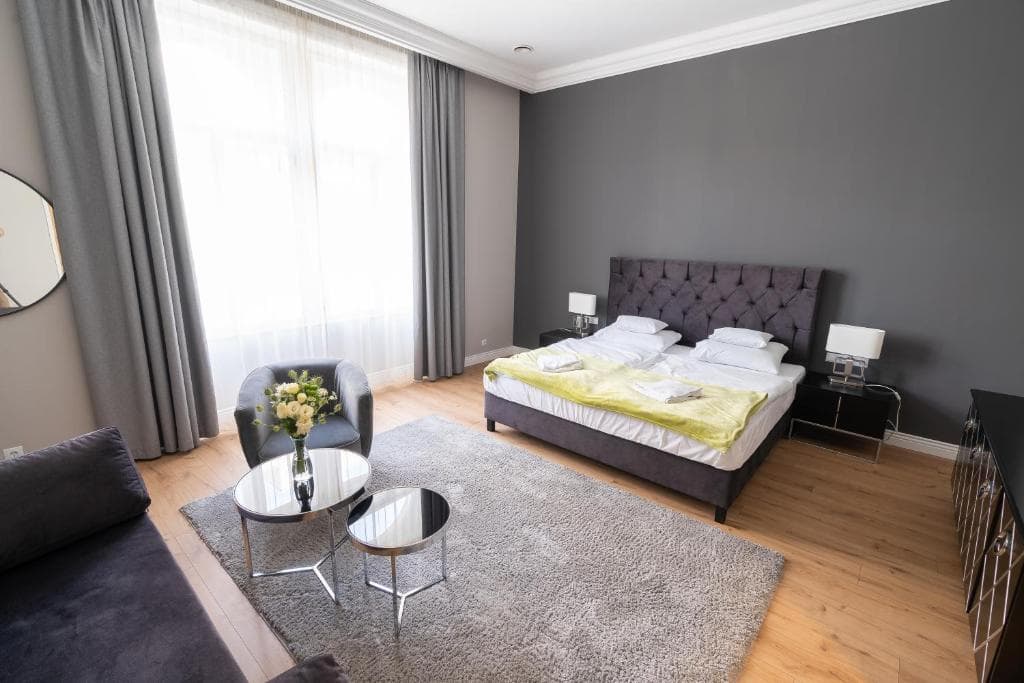
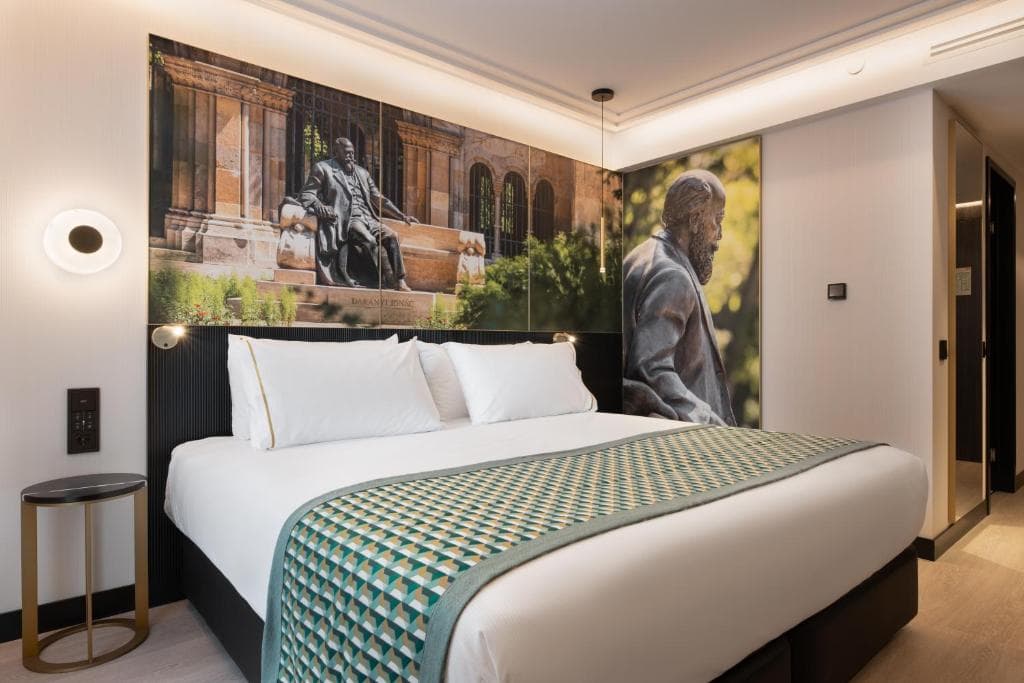
A Budapest stay I list:
Other stays I list in Budapest:
A rough week for one person with a mid-range hotel, excluding travel:
Stay
€400–€750
For a hotel room or apartment with a desk
Food
€130–€230
Lunch menus on weekdays are good value
Coworking
€90–€125
For five day passes
Transport
A single ticket costs HUF 500 and a 24-hour travel card HUF 2,750 (about €7)
Also budget for
Plan outdoor time around daylight, especially in winter, when it gets dark early.
Dec
Cold, but the Christmas markets are atmospheric
Jan–Feb
Cold and grey; great for thermal baths, quiet and cheaper
Mar–May
Spring, pleasant for walking, one of the best periods
Jun–Aug
Warm to hot and busy; Sziget festival in August fills the city
Sep–Oct
Mild and golden, excellent for a workation
Budapest's Ferenc Liszt Airport is connected to the centre by the 100E airport express bus, which needs its own ticket of HUF 2,500; regular tickets and passes are not valid on it.
In the city, metro lines, trams and buses are frequent and cheap. Tram 2 along the Pest bank of the Danube is one of the most scenic public transport rides in Europe. The centre is also very walkable, and Budapest has good rail connections to Vienna, Prague and other Central European cities.
Hungary is in the EU and the Schengen area, so EU citizens only need a valid ID card or passport. If you work remotely for an employer in another EU country, ask about an A1 certificate before you go.
Soak in a thermal bath. Széchenyi and Gellért are the most famous; the outdoor pools of Széchenyi are especially magical on a cold winter evening.
Walk along the Danube at sunset, past the Parliament, or cross the Chain Bridge to the Buda side.
Climb up to Fisherman's Bastion or Gellért Hill for the best views over the city.
Visit a ruin bar in District VII, such as the original Szimpla Kert.
Spend a weekend afternoon on Margaret Island, a car-free park in the middle of the river.
Yes. It has good internet, affordable coworking and a big international community.
District VI for convenience and cafés, District XIII or the Buda side for calm, District VII for nightlife.
Cards are accepted almost everywhere, but a small amount of cash is handy. Always pay in forints, not euros.
Cheaper than most Western European capitals, although prices in the centre have risen in recent years.
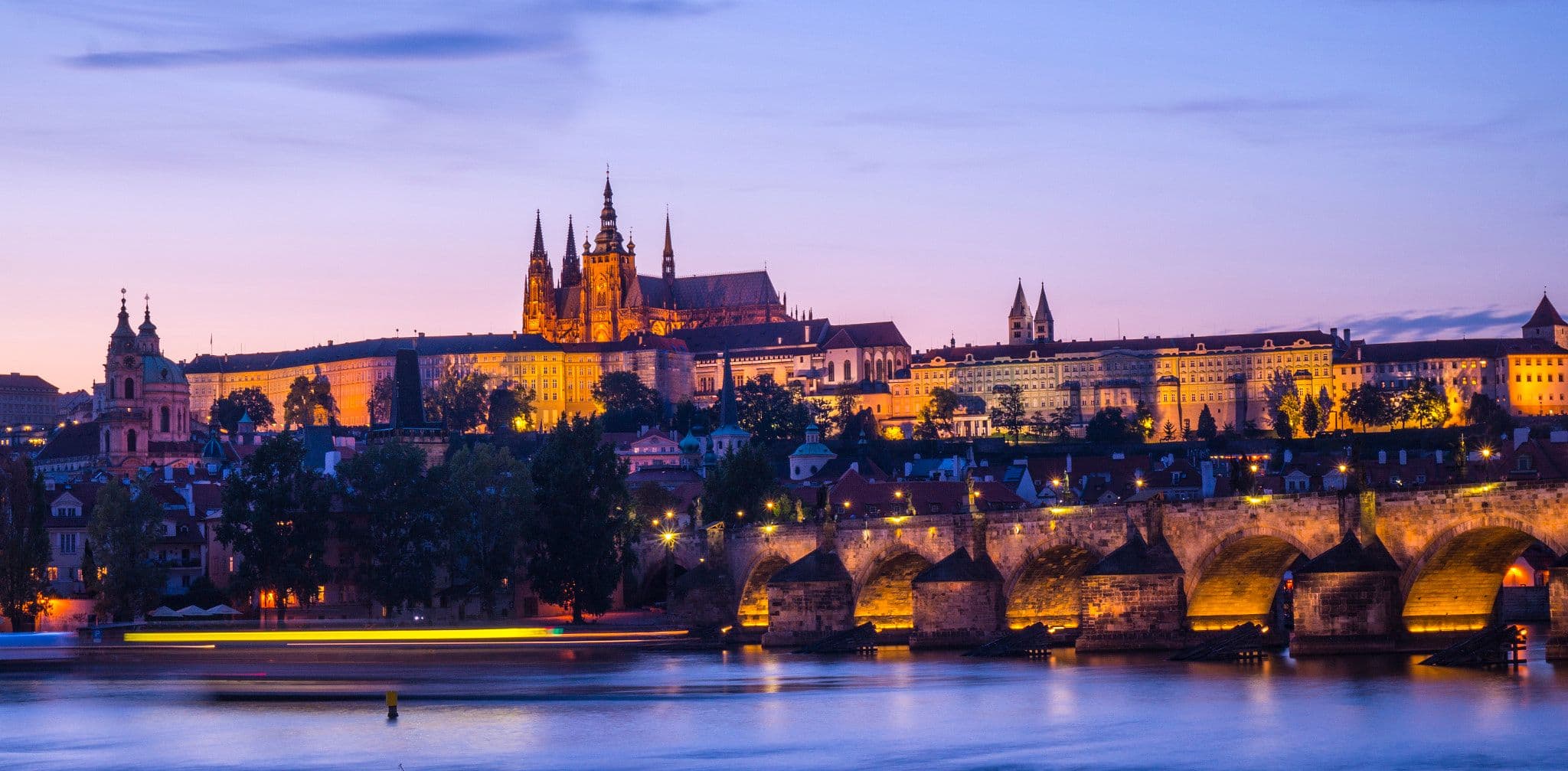
Both are great city workations. Budapest feels bigger and grander, with thermal baths; Prague is more compact and walkable.
Budapest is part of my Europe workation guide. Nearby, Prague makes a great second city workation. Looking for warmer weather? See my Southern Europe and winter sun guides.