Regional Guide
Southeast Asia is where I did my two longest workations: a month in Thailand and a month in Bali, each combining two weeks of work with two weeks of holiday. Both trips showed me that working from the other side of the world is not only possible, but can genuinely upgrade your daily life. This guide compares the region's best workation destinations, based on those trips and on practical research.
Southeast Asia combines things that are hard to find together in Europe: warm weather in European winter, low daily costs, excellent food and a huge choice of remote-work-friendly stays and coworking spaces. The big time difference, which sounds like a downside, can actually work in your favour: your mornings are free, and the European workday lands in your afternoon.
It is also a region where your money goes a long way. A good private room with a desk, air conditioning and fast WiFi often costs less than a basic hotel room in a Western European capital, and eating out every day is normal and affordable.
The trade-offs are long flights, visa rules and late meetings. With good planning, including stays with a proper desk, a clear plan for the time difference and data from the moment you land, those are all manageable.
• Time difference with CET: between five and seven hours ahead, depending on the country and the season
• Internet: typical speeds in stays, cafés and coworking spaces
• Cost per day: a rough budget for one person with a good private room, food, coworking and transport
• Best months: dry season and air quality
• Entry rules for EU citizens: how long you can stay without a visa
Here is how the five destinations compare. Each one ends with the stays I list there.
 Most popular
🏙️ City · 🏖️ Beach · 🏝️ Island · 🌿 Nature · 🏛️ Culture
Best months

🏝️ Island · 🏖️ Beach · 🌿 Nature · 🏛️ Culture
Best months
 Best value
🏙️ City · 🏖️ Beach · 🏛️ Culture
Best months
🏙️ City
Best months

🏙️ City · 🏛️ Culture
Best months
At a glance: +6 hours in European winter, +5 in summer • fast internet • €50–€110 per day • best November–February • 30 days visa-free since 15 September 2026, extendable once
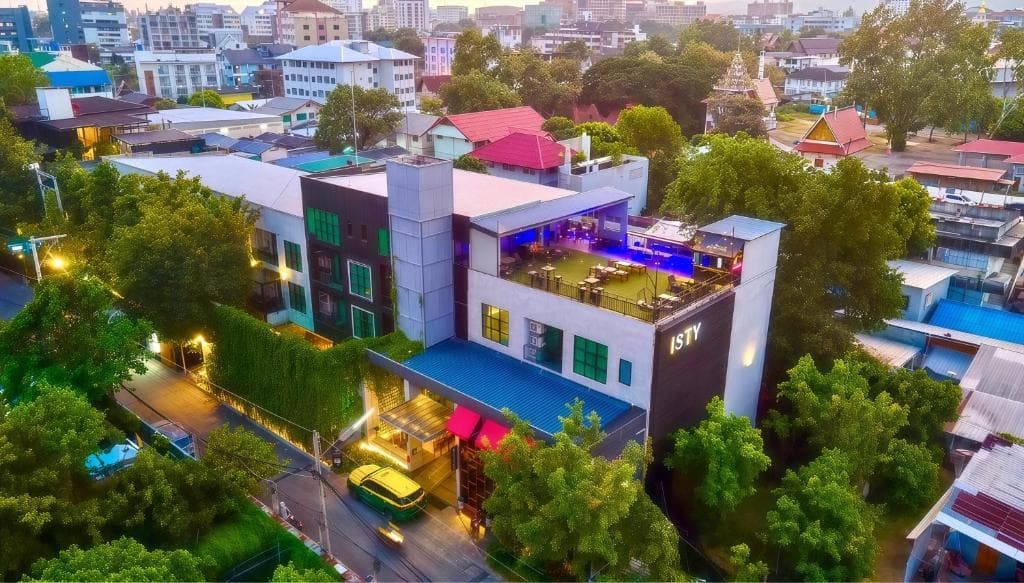
Thailand gave me the perfect mix of productivity, freedom and adventure. I worked a week from Bangkok, spent two weeks on the islands and in Khao Sok, and finished with a calm workweek in Chiang Mai. In Bangkok, my hotel WiFi was faster than my internet at home, and my mornings were free before Europe came online.
Note the new rules: since 15 September 2026, EU citizens get 30 days visa-free instead of 60, with one possible 30-day extension. Avoid Chiang Mai from February to April, when burning season brings severe air pollution.
Best for: combining work with a real multi-stop trip, from city to islands to mountains. Watch out for: the shorter 30-day visa-free stay, and late meetings if your team works long European afternoons.
At a glance: +7 / +6 hours • good in the main areas, variable elsewhere • €55–€120 per day • best April–October • 30-day visa on arrival (IDR 500,000) plus IDR 150,000 tourism levy
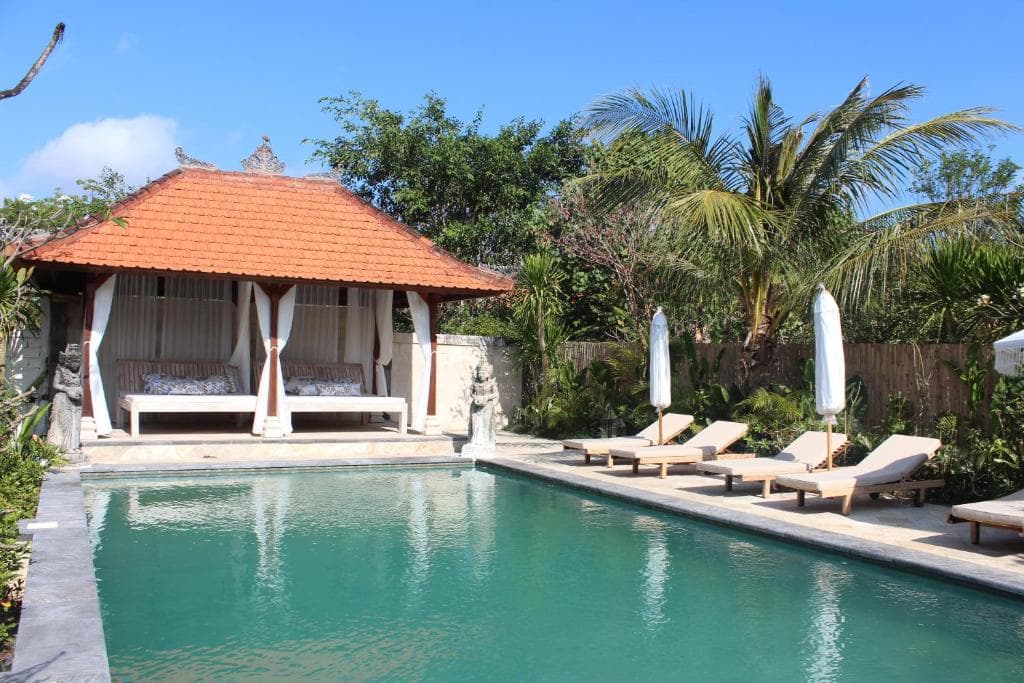
Bali completely lived up to the image I had of a dream workation destination. After a two-week holiday, I worked one week from Ubud and one from Canggu. Ubud was calm and green, Canggu social and close to the beach, and both had stays built for remote work.
Internet in the main areas is good if you choose the right stay; always ask for a speed test. The seven-hour difference in European winter means late meetings, so plan your evenings carefully.
Best for: remote workers who want to settle in one or two places, with coworking and community built into their stay. Watch out for: traffic between areas, the rainy season from November to March, and Nyepi, the Balinese Day of Silence, when the whole island shuts down for a day.
At a glance: +6 / +5 hours • very fast mobile data • €40–€85 per day • best season depends on the region • 45 days visa-free for Dutch citizens
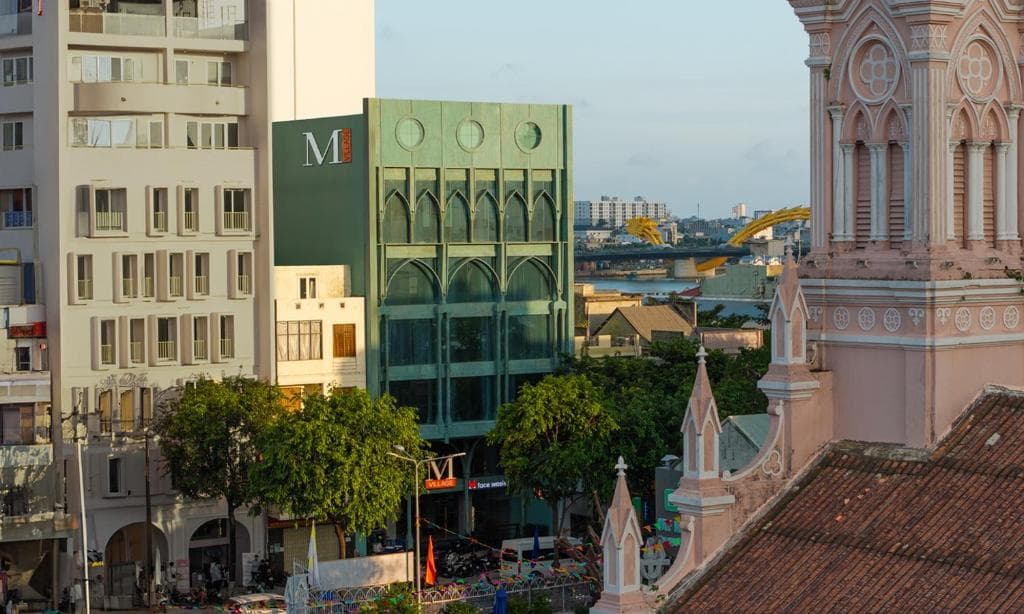
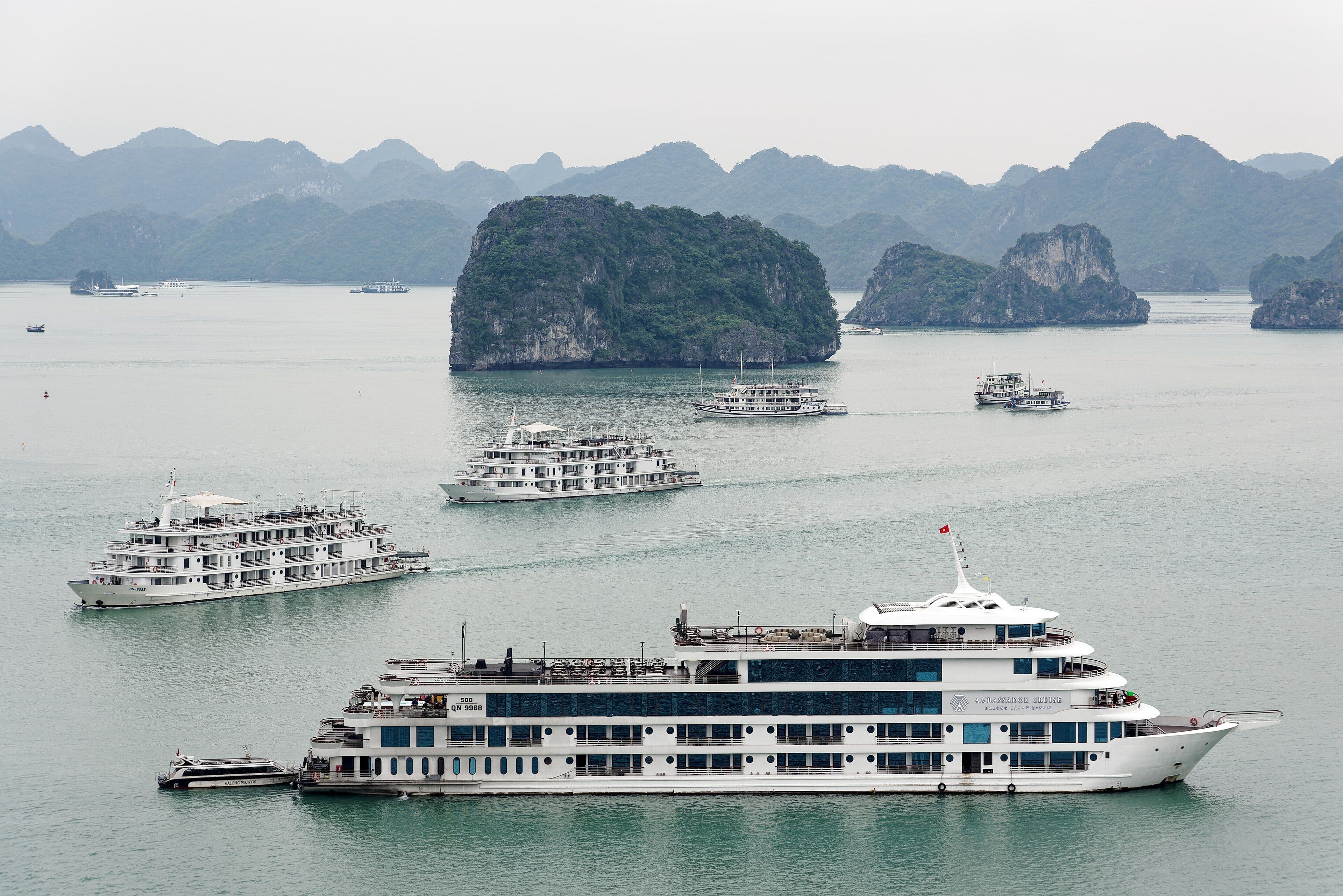
Vietnam is one of the best-value workation countries in Asia, with some of the fastest mobile internet in the world and a café culture made for laptop work. Da Nang offers a beach routine, Ho Chi Minh City energy and coworking, and Hanoi culture and a cooler winter.
Pick your city by season: the central coast around Da Nang is rainy from September to December, while the south is dry from December to April.
Best for: budget-conscious remote workers and café workers. Watch out for: intense traffic in Hanoi and Saigon, and typhoon season on the central coast in autumn.
At a glance: +7 / +6 hours • fast and reliable • €50–€100 per day • relatively drier December–February and May–July • 90 days visa-free, MDAC required
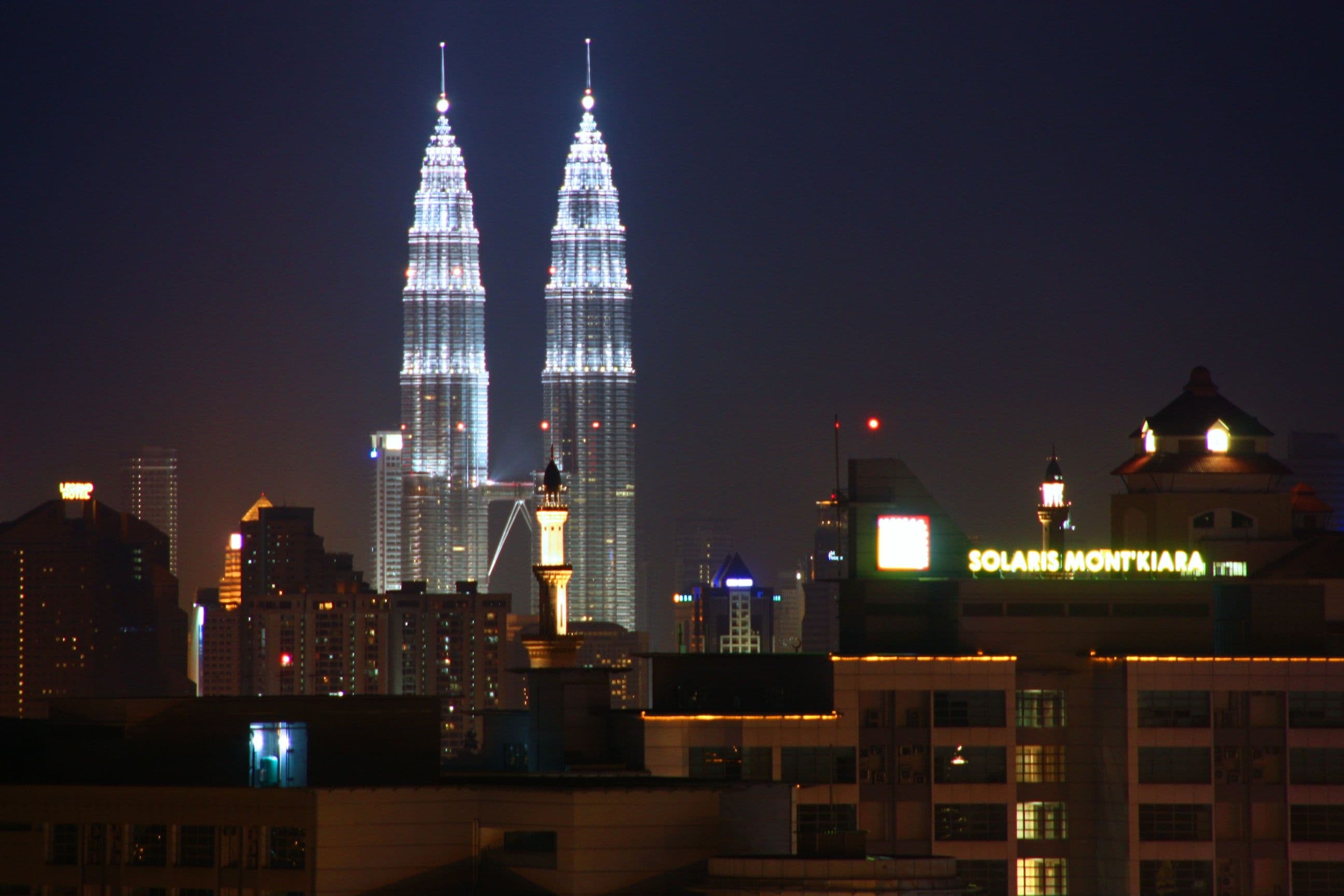
Kuala Lumpur is the region's most underrated workation city. Internet is fast and reliable, hotels and serviced apartments come with pools and gyms, and the food is excellent. It is less of a postcard destination than Bali, but one of the easiest places to actually get work done.
EU citizens can stay visa-free for up to 90 days. Remember to submit the free Malaysia Digital Arrival Card within three days before arrival.
Best for: longer stays and remote workers who need reliable internet above all. Watch out for: the heat and a city that is not very walkable; Grab and the MRT will be your best friends.
At a glance: +6 / +5 hours • decent in cities • €50–€100 per day • best November–March • e-visa US$30 for 30 days
Cambodia is a smaller, quieter option, often combined with Thailand or Vietnam. Phnom Penh is a lively capital on the Mekong, and Siem Reap is the gateway to the temples of Angkor, with a relaxed pace and a small remote work community. US dollars are widely used alongside the riel.
EU citizens can apply for a 30-day e-visa for US$30, and all air arrivals must complete the free Cambodia e-Arrival card within seven days before arrival. Phnom Penh's new Techo International Airport opened in 2025.
Best for: a quieter add-on to a Thailand or Vietnam trip, and anyone who wants to see Angkor. Watch out for: fewer coworking options and more variable internet outside the main cities, so keep mobile data as a backup.
• Split your trip into work and holiday phases. On both trips, a clear holiday part and a clear work part made everything better
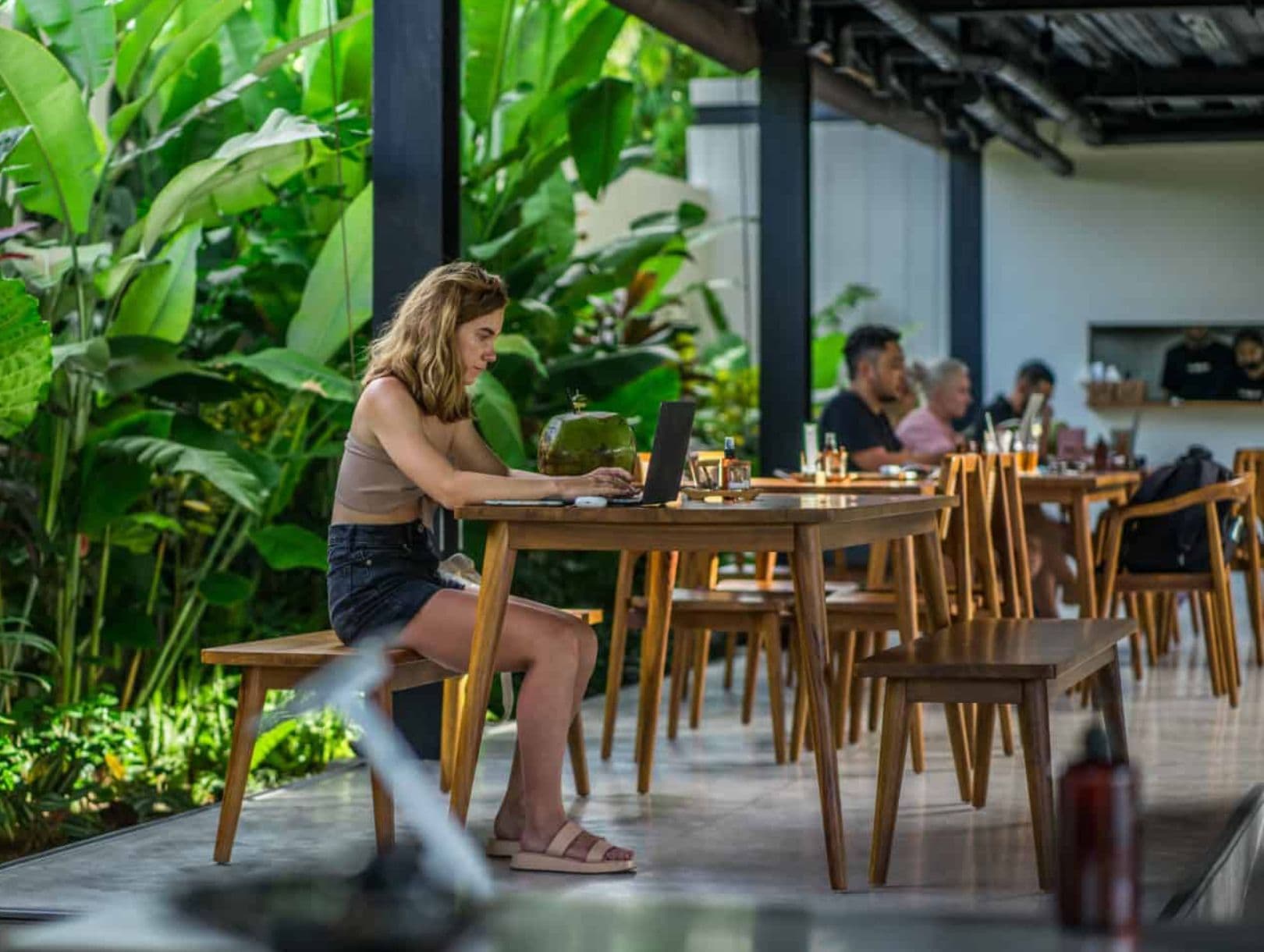
• Choose stays that are truly workation-friendly: a private room, a desk and chair, air conditioning and good WiFi are non-negotiables
• Use the time difference to your advantage: free mornings are one of the best parts of working from Asia
• Arrange your internet before arrival, so you have data from the moment you land
• Build your trip around different moods: a city, somewhere calm and a real holiday
On both trips, the combination of a productive start, a real break and a focused finish was what made the month feel balanced. I never tried to mix intense travel days with work.
Thailand and Bali are the easiest and most popular; Kuala Lumpur has the most reliable internet; Vietnam is the best value.
I used my free mornings to explore and shifted my working hours towards Europe for meetings. Read how I handle time zones on workations.
Thailand 30 days (since September 2026, extendable once), Bali 30 days on a visa on arrival (extendable once), Vietnam 45 days for Dutch citizens, Malaysia 90 days.
November to February for Thailand, Cambodia and southern Vietnam; April to October for Bali.
In the right stays and coworking spaces, yes. Always check reviews or ask for a speed test, and keep mobile data as a backup.
I did both and loved both. Read my full comparison: Bali or Thailand for a workation.
Read my Thailand and Bali trip reports, compare Bali and Thailand or Canggu and Ubud, or explore my guides to Chiang Mai, Ubud, Canggu, Vietnam and Kuala Lumpur. Prefer a shorter flight? See my Europe workation guide.