Country Guide
Thailand is one of the best countries for a workation if you want to combine remote work with real travel. I spent a month there: one week working from Bangkok, two weeks of holiday in the south, and one week working from Chiang Mai. This guide combines that experience with practical research, including the visa changes of September 2026.
Best for
Remote workers who want long-haul travel, good food and easy logistics
Best months
November to February for most of the country
Time difference with CET
+6 hours in winter, +5 hours in summer
Cost per day
Roughly €50–€110 including a good hotel
Internet
Fast WiFi and mobile internet in cities; my Bangkok hotel WiFi was faster than my internet at home
Less suited if you want to stay longer than 30 days without a visa (cut from 60 days on 15 September 2026), or you have many meetings late in the European day. Those end up in your late evening.
• Week 1: working remotely from Bangkok
• Weeks 2 and 3: holiday through the south (Koh Samui, Koh Phangan, Khao Sok, Krabi, Phuket)
• Week 4: working remotely from Chiang Mai
This structure worked perfectly for me. I started in a productive rhythm, fully switched off in the middle, and finished with a focused workweek in a completely different setting. Read the full story in my Thailand trip report.
Thailand has fast internet and strong mobile internet in cities and tourist areas. In Bangkok, my hotel's WiFi was genuinely faster than my internet at home. On the islands and in national parks, coverage and speeds vary more, which is one reason I kept my work weeks in the cities.
An eSIM gives you data the moment you land, which makes arrival much less stressful. Read my guide to eSIMs for workations.
I worked from Bangkok and Chiang Mai and kept the islands for holiday. Here is how they compare, with where to work and where to stay in each, followed by the stays I list there.
Most popular🏙️ City · 🏛️ Culture
Best months
 Best value
🏙️ City · 🌿 Nature · 🏛️ Culture
Best months
Energy, movement and variety. Bangkok gave me a productive city workweek with fast WiFi, good cafés and plenty to explore before work.
Where to work
My hotel had several good workspaces; The Hive Thonglor (around ฿393) and JustCo (from around ฿750) are popular coworking spaces; and % Arabica on the 55th floor of The Empire Tower is one of the best views I have ever had while working
Where to stay
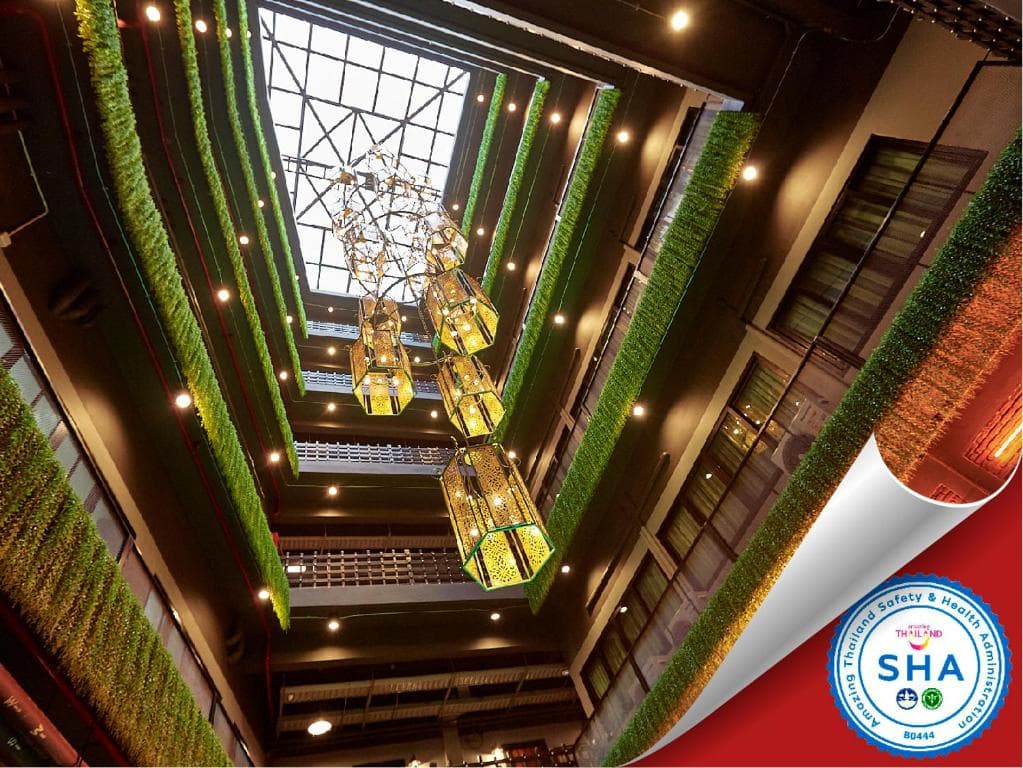
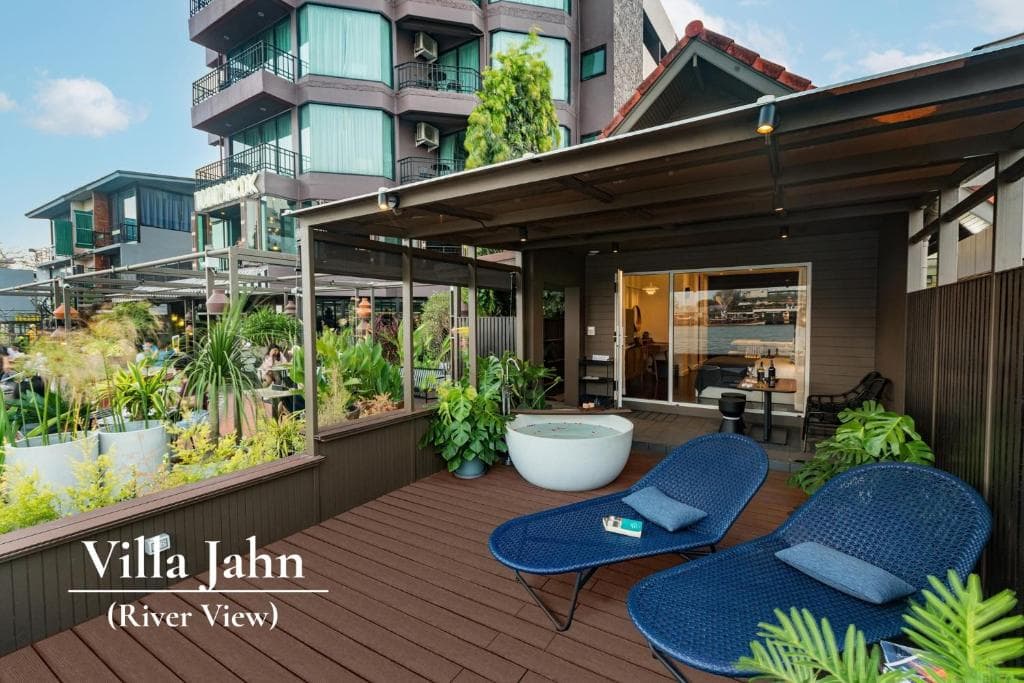
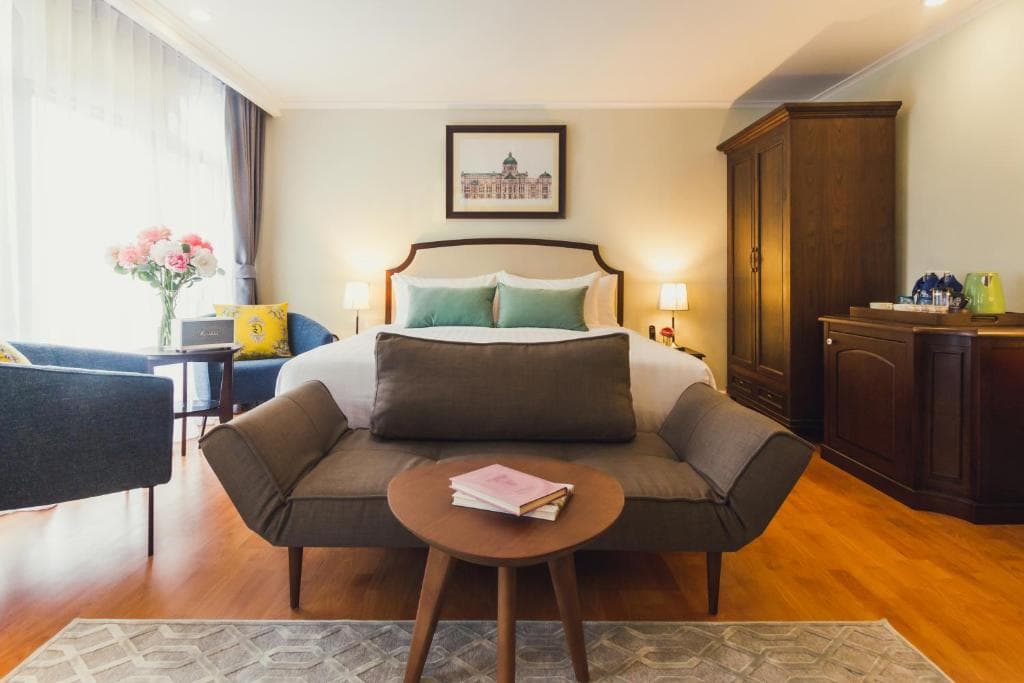
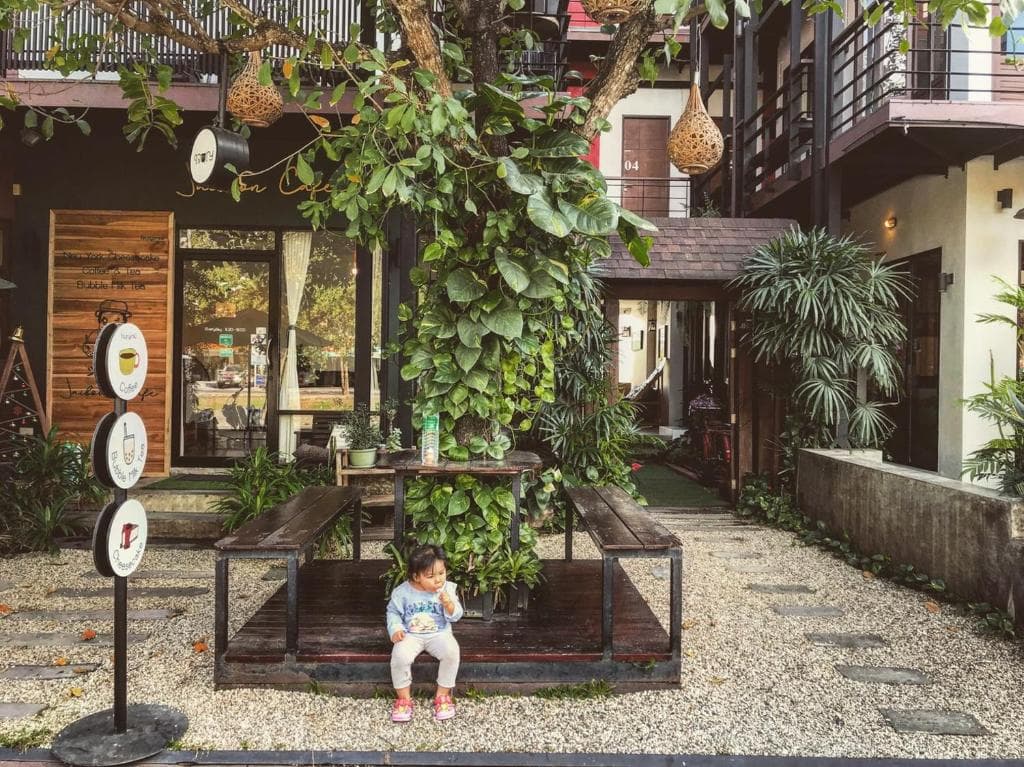
Chinatown, where I stayed at W22 by Burasari and would more than 100% recommend it; Sukhumvit (Thonglor, Ekkamai) is popular with expats; Ari is a calmer, café-filled neighbourhood
Calm. After two weeks of travelling, Chiang Mai was the perfect place for a quieter, focused final workweek.
Where to work
Yellow Coworking (around ฿429), Punspace (from around ฿289) and Hub53 (around ฿189); CAMP at Maya mall is a classic café-style spot
Where to stay
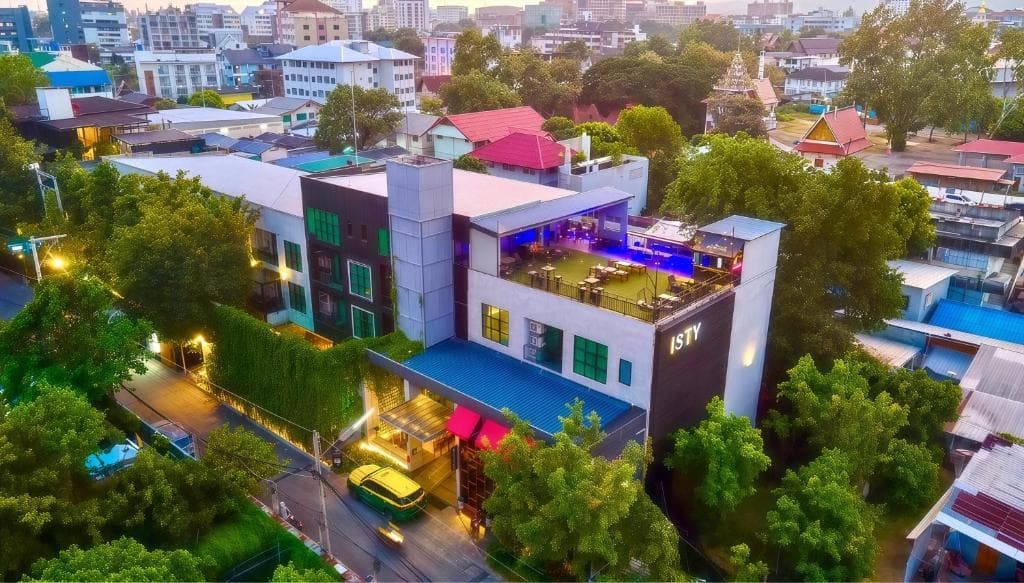
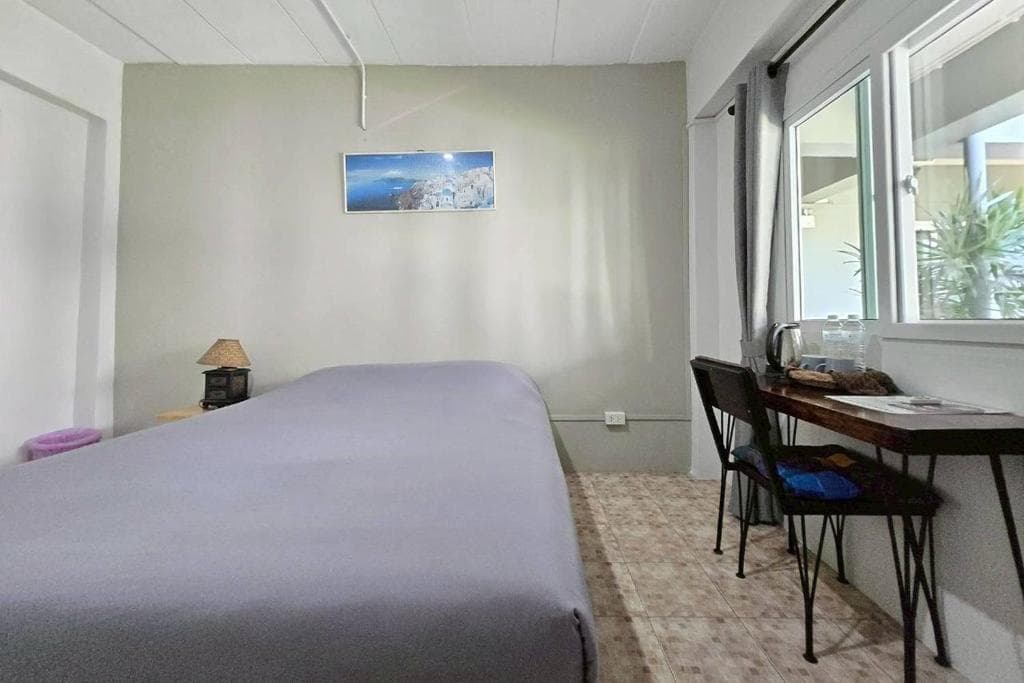
Nimman is the most convenient area for remote workers; I stayed at ISTY Design Hotel, which was modern, peaceful and private enough for my performance review
Koh Samui, Koh Phangan, Krabi and Phuket were the holiday part of my trip, not places I worked from.
• If you do want to work there, check the internet at your stay carefully
A rough week for one person in Bangkok or Chiang Mai, excluding flights:
Stay
€280–€650
For a good hotel room with a desk
Food
€70–€150
Street food dinners are cheap, quick and delicious
Coworking
€25–€60
For five day passes
Transport
€20–€45
On BTS/MRT, Grab and Bolt
The islands are more expensive, especially in high season. Street food dinners, like the ones I had on the market square outside my hotel in Bangkok, are one of the easiest ways to keep costs down, and ideal between meetings when you do not have much time.
Thailand is six hours ahead of CET in winter and five in summer. That meant my mornings were often quiet from a work perspective, with time to explore or have a coffee before the workday really started. Because I had a lot of online meetings, I still shifted my hours towards European office hours.
Nov–Feb
Cool and dry season in most of the country, the best time for a workation
Mar–May
Hot season; February to April is also burning season in the north, with poor air quality in Chiang Mai
Jun–Oct
Rainy season in most regions; the Gulf islands such as Koh Samui get most rain from October to December
Bangkok's main airport, Suvarnabhumi, is Thailand's international gateway. I pre-booked a driver from the airport, which made arrival smooth: no searching, no dragging luggage around, just land and go.
Domestic flights are cheap and quick: I flew from Bangkok to Koh Samui and from the south up to Chiang Mai. In Bangkok, the BTS Skytrain and MRT beat the traffic; Grab and Bolt work well everywhere else.
Thailand changed its rules on 15 September 2026. EU citizens, including Dutch nationals, now get 30 days visa-free for tourism instead of 60. You can apply once for a 30-day extension at an immigration office for ฿1,900 (about €49), at the officer's discretion. Submit the free Thailand Digital Arrival Card (TDAC) online within 72 hours before arrival.
The exemption is for tourism. For longer remote work stays, look into the Destination Thailand Visa (DTV).
Spend an evening at Asiatique The Riverfront in Bangkok
Eat your way through Yaowarat Road in Chinatown
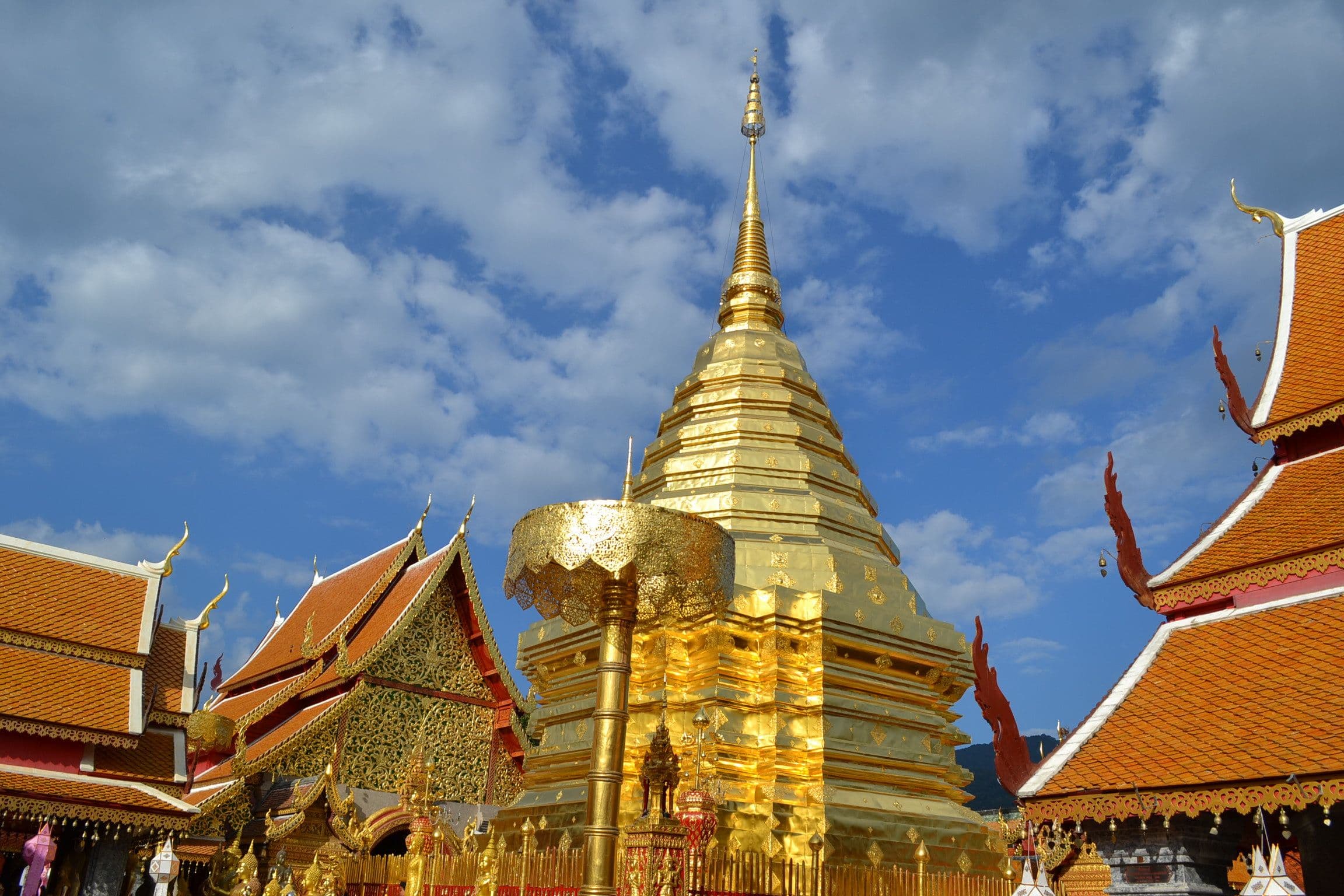
Visit Wat Phra That Doi Suthep above Chiang Mai
Plan a work-free week on the islands or in Khao Sok National Park
Take a Thai cooking class
Yes. For me it was the perfect mix of productivity, freedom and adventure.
Since 15 September 2026, EU citizens get 30 days, with one possible 30-day extension.
Bangkok for energy and variety, Chiang Mai for calm. Doing both in one trip worked really well for me.
Some people do, but internet and quiet workspaces are less predictable. I kept the islands for holiday.
Six hours ahead in European winter, five in European summer.
It is not required, but having data from the moment you land made my arrival much easier.
Go deeper with my Chiang Mai and Bangkok guides, read my Thailand trip report, or compare Thailand with Bali. For more destinations in the region, see my Southeast Asia workation guide.