City Guide
Chiang Mai is where I finished my month-long Thailand workation. After Bangkok and two weeks on the islands, it gave me exactly what I needed: calm, a good room to work from and a slower rhythm. This guide combines that week with researched, practical information for planning your own stay.
Best for
Remote workers who want calm, low costs and a big nomad community
Best months
November to January
Time difference with CET
+6 hours in winter, +5 hours in summer
Cost per day
Roughly €50–€90 including a good hotel
Internet
Fast in hotels, cafés and coworking spaces
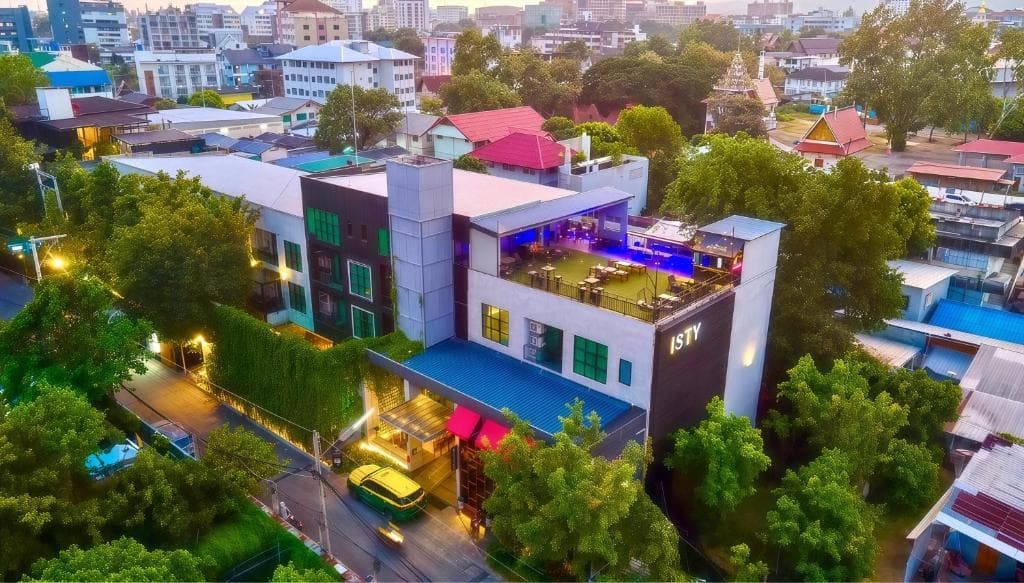
I flew north at the end of the trip and arrived around lunchtime, with plenty of time before Europe came online. My first workday was partly spent at the pool bar of ISTY Design Hotel, catching up on emails and taking a few online meetings in the heat.
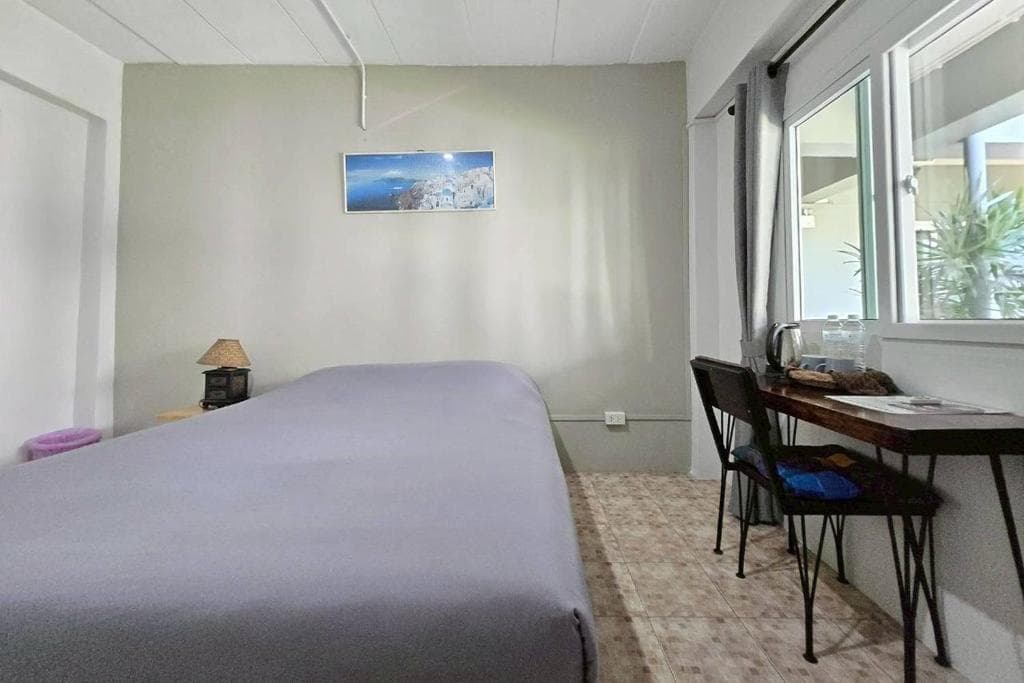
That week I also had my end-of-year performance review. My room had air conditioning, a balcony and enough privacy to do it properly, which is exactly what you need for a call like that. Where Bangkok gave me energy, Chiang Mai gave me calm.
Read the full story in my Thailand trip report.
Thailand has good internet, and Chiang Mai has been a remote work hub for more than a decade. Hotels aimed at longer stays, coworking spaces and most cafés in Nimman have fast WiFi. Mobile data is fast and cheap too.
An eSIM is the easiest way to be online from the moment you land in Bangkok. It saves you a SIM card queue at the airport and you can share your phone's internet with your laptop if the WiFi drops during a call. Read my guide to eSIMs for workations.
Yellow Coworking (Nimman)
One of the best-known spaces in the city, with a strong community. Day pass around ฿429 (about €11).
Punspace (Tha Phae Gate)
A long-running coworking brand near the Old City. Day passes from around ฿289 (about €8).
Alt_ChiangMai (Old City)
A quieter space in the Old City. Day pass around ฿320 (about €8).
Hub53 (Nimman)
A budget option with a day pass around ฿189 (about €5).
CAMP, on the top floor of Maya mall, is a classic student and nomad spot: a small food or drink purchase unlocks a few hours of WiFi. It is great for a change of scene, less so for calls.
Nimman
The modern, café-filled area near Maya mall. The most convenient base for remote workers, with coworking spaces on your doorstep.
Old City
Inside the historic moat, with temples, markets and guesthouses. Charming and walkable, but more touristy and noisier.
Santitham
A local residential area between Nimman and the Old City. Quieter and cheaper for longer stays.
I stayed at ISTY Design Hotel, and it worked really well for remote work: modern, peaceful and comfortable, with a pool and a room private enough for serious calls.
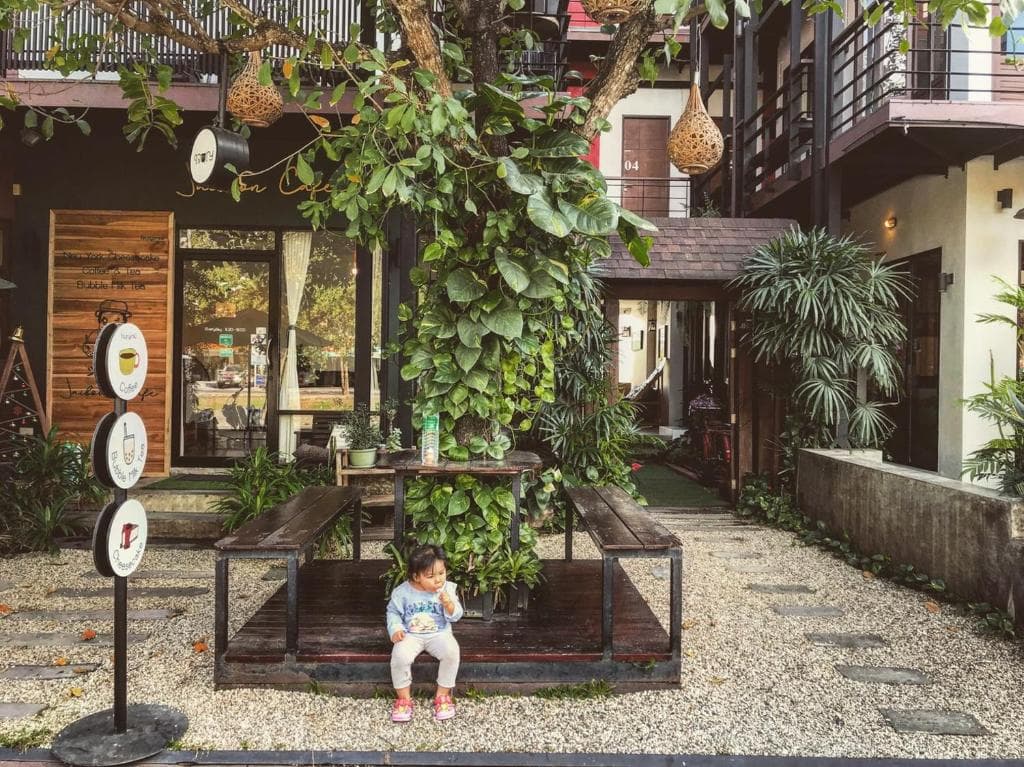
Other stays I list in Chiang Mai:
A rough week for one person, excluding flights:
Stay
€250–€500
For a good hotel room with a desk
Food
€70–€140
Mixing street food with cafés and restaurants
Coworking
€25–€55
For five day passes
Transport
€15–€35
On Grab, Bolt and red songthaews
Chiang Mai is one of the cheapest places in this guide collection to run a comfortable workation.
Chiang Mai is six hours ahead of CET in winter and five in summer. A 9:00 CET meeting is at 15:00 local time in winter. That gives you free mornings, which is one of the best parts of working from Thailand.
I adjusted to European office hours as much as possible because of my meetings, but I still had my mornings. Read how I handle time zones on workations.
Nov–Jan
The cool, dry season and the best time for a workation
Feb–Apr
Burning season; air quality can be very bad, with Chiang Mai ranked among the world's most polluted cities in March 2026
Apr
The hottest month, with Songkran (Thai New Year) water festivities mid-month
May–Oct
Rainy season; green and quieter, with short heavy showers
If you have asthma or are sensitive to smoke, avoid February to April.
Most international travellers arrive via Bangkok and connect with a short domestic flight. The overnight train from Bangkok is a slower, more scenic alternative.
In the city, Grab and Bolt are cheap and easy. Red songthaews (shared pick-up trucks) are the local option. Many long-stayers rent a scooter, but only do this if you have a valid motorcycle licence and an international driving permit.
Since 15 September 2026, EU citizens, including Dutch nationals, can enter Thailand visa-free for 30 days for tourism. You can apply once for a 30-day extension at an immigration office for ฿1,900, at the officer's discretion. Fill in the free Thailand Digital Arrival Card (TDAC) online within 72 hours before arrival.
The visa exemption is meant for tourism. Working remotely for a foreign employer on a tourist stay is a grey area, so check the latest rules or look into Thailand's Destination Thailand Visa (DTV) if you plan a longer remote work stay.
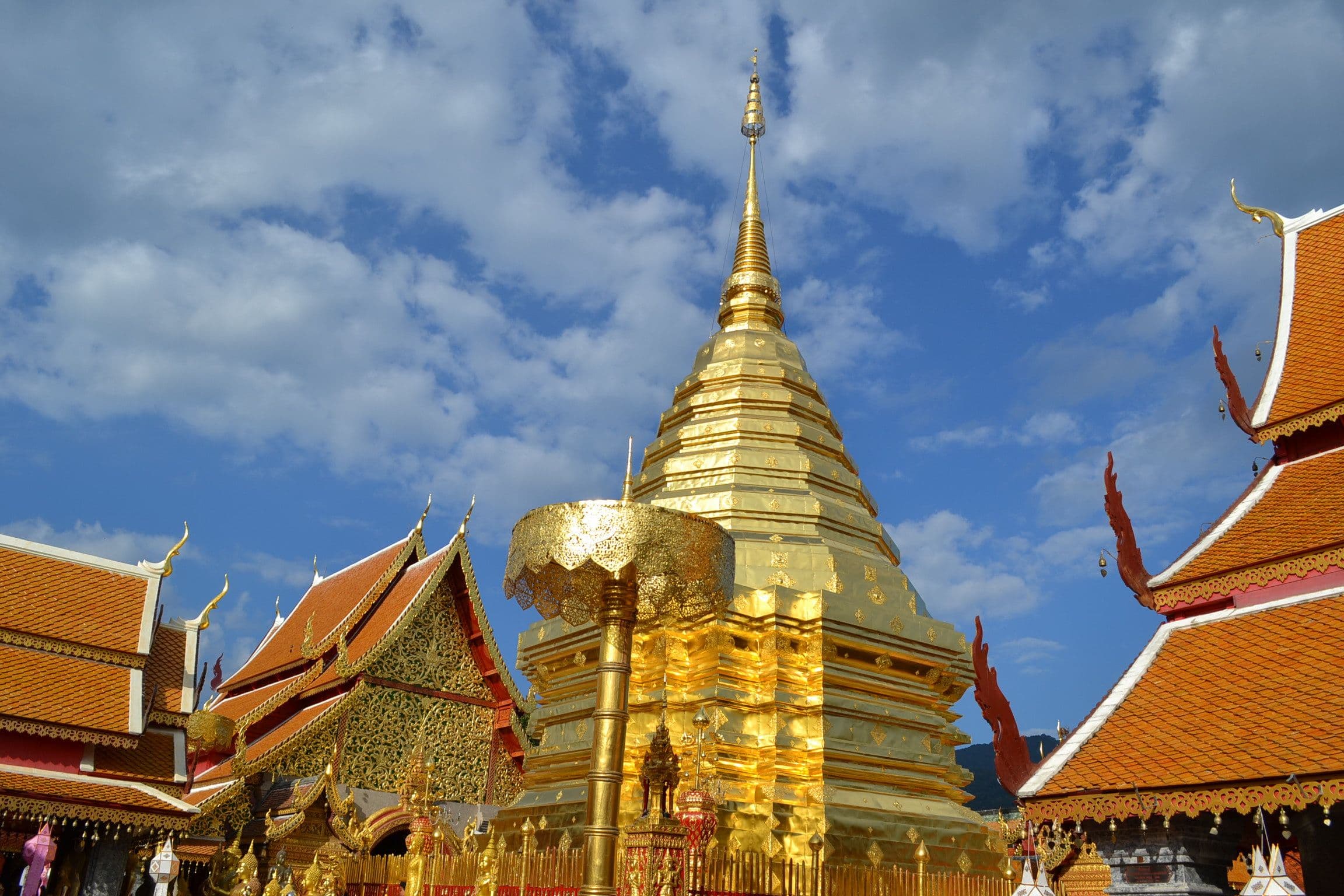
Visit Wat Phra That Doi Suthep on the mountain above the city
Walk the Sunday Walking Street market in the Old City
Take a Thai cooking class
Visit an ethical elephant sanctuary that does not offer riding
Spend a weekend in the mountain town of Pai
Yes. It combines low costs, good internet, lots of coworking spaces and a big community. Just avoid the burning season.
Roughly February to April, with March usually the worst.
Since 15 September 2026, EU citizens get 30 days on arrival, with one possible 30-day extension.
Bangkok for energy and variety, Chiang Mai for calm and focus. I did both in one trip and it worked really well.
Six hours ahead in European winter, five hours in European summer.
Chiang Mai is part of my Thailand guide. Read my Thailand trip report for the full month, compare Thailand with Bali in Bali or Thailand for a workation, or explore more options in my Southeast Asia guide.