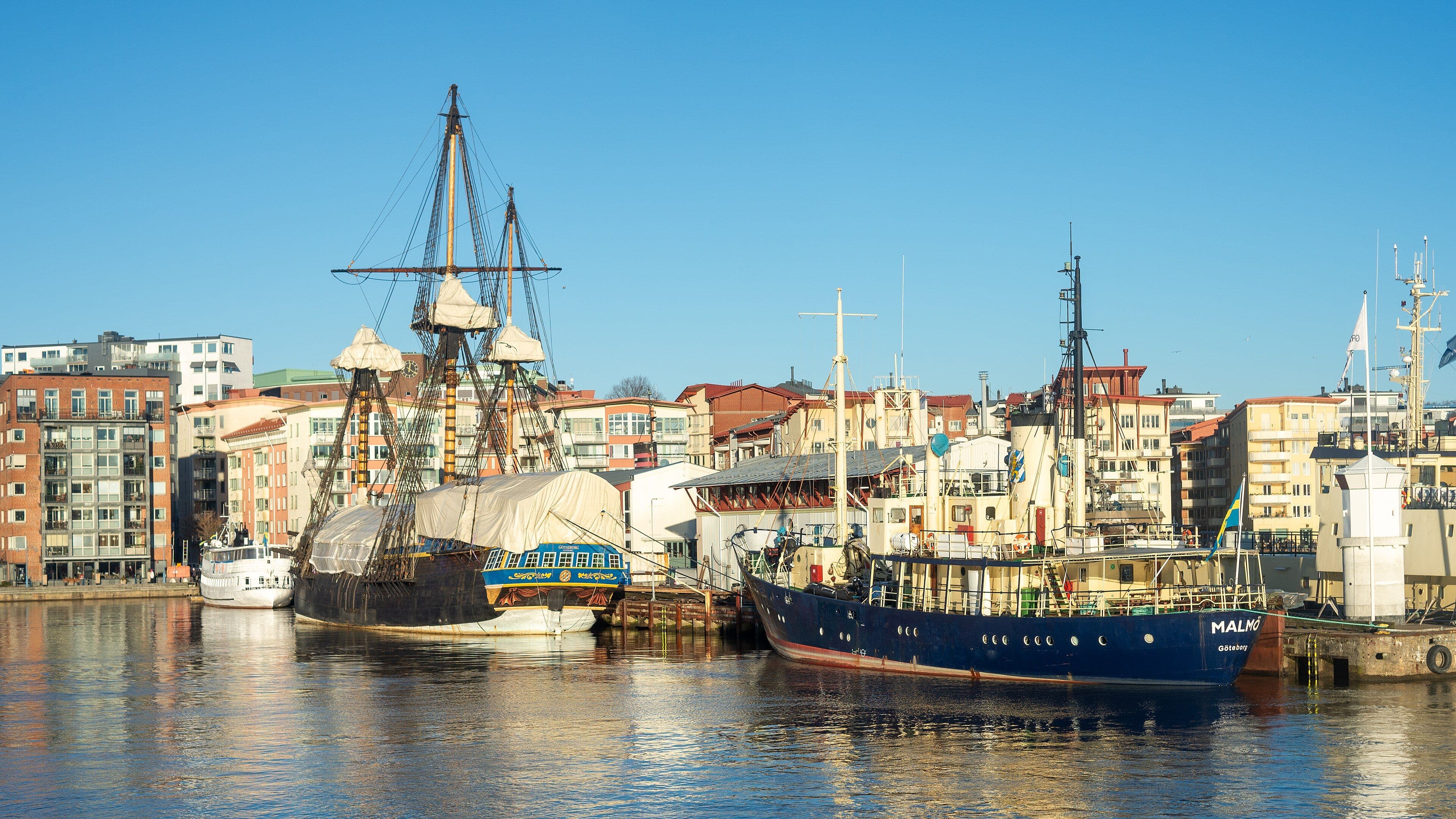
City Guide
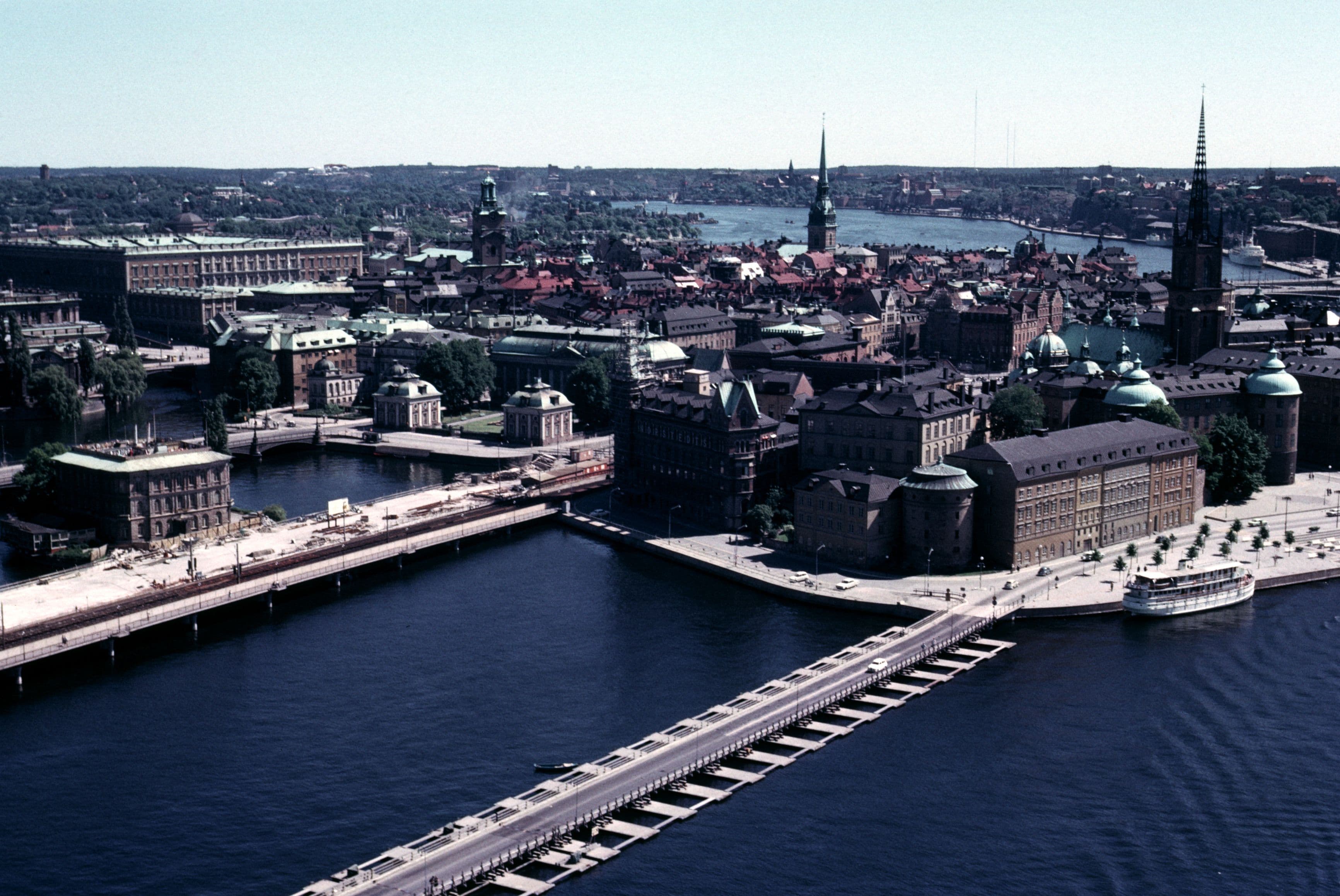
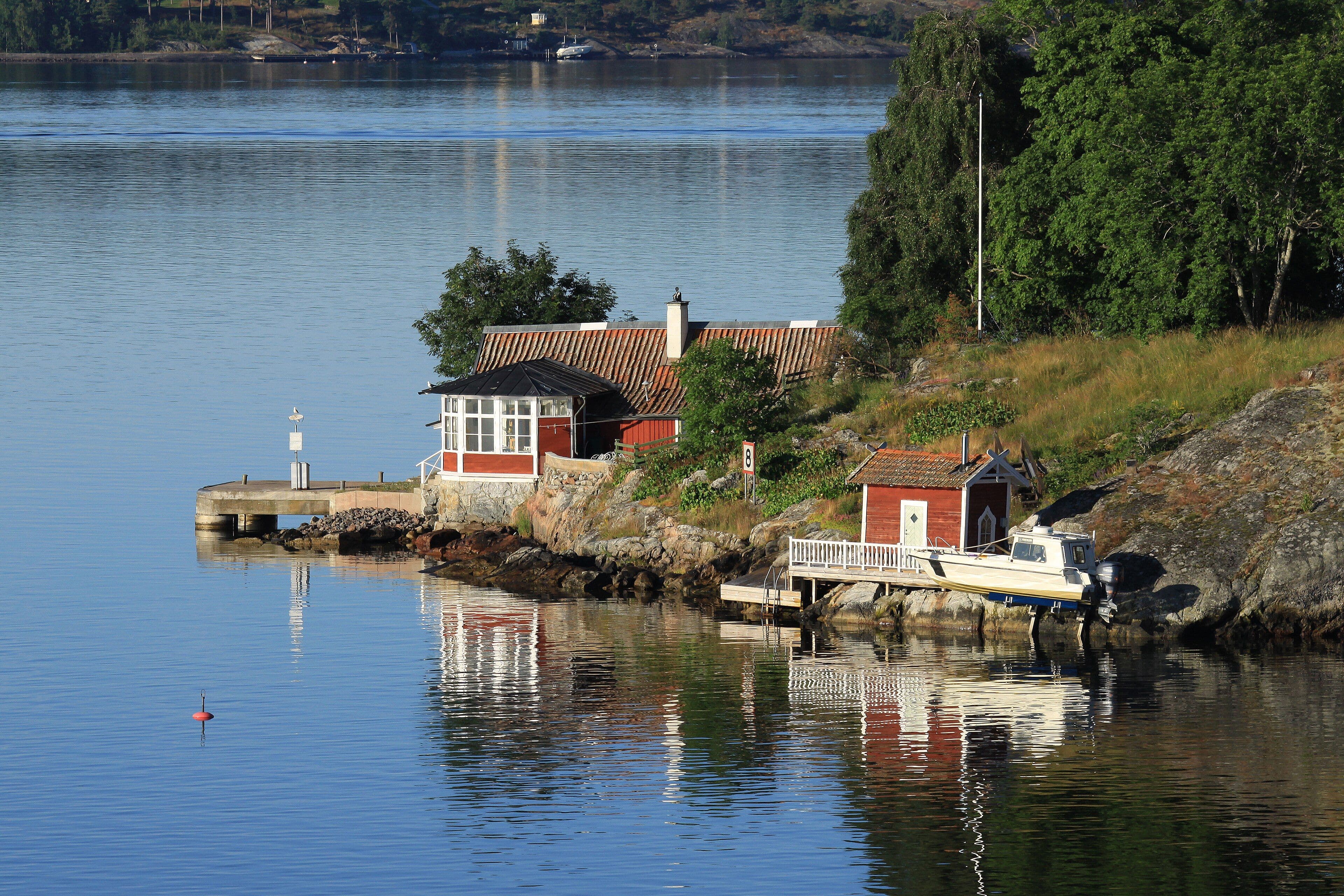
Stockholm is spread across 14 islands where Lake Mälaren meets the Baltic Sea: a beautiful old town, great museums, a big startup scene and thousands of archipelago islands right on its doorstep. In summer, it is one of the most pleasant cities in Europe to work from.
Best for
Remote workers who love design, nature and summer evenings
Best months
May to September
Cost per day
Roughly €160–€260 including a mid-range hotel
Internet
Excellent, both WiFi and mobile internet
Less suited if you are on a tight budget, or travel in winter, when days are short, dark and cold.
Sweden has some of the best internet in Europe. Hotels, cafés and coworking spaces have fast WiFi, and mobile internet is strong, even on many islands in the archipelago.
EU roaming covers you on your normal mobile plan. Almost everything in Sweden is paid by card or phone, so you rarely need cash.
A House
A coworking space with day passes from around SEK 175.
Norrsken House and Epicenter
Well-known spaces focused on startups and memberships rather than day passes.
Swedish cafés are made for fika, the coffee-and-cake break, and many are happy for you to work for a while outside the lunch rush.
Södermalm
The creative island south of the old town, full of cafés, vintage shops and viewpoints.
Vasastan
Calm and residential, with local restaurants and parks, north of the centre.
Norrmalm
The central business district near the main station. Practical for arrival and day trips.
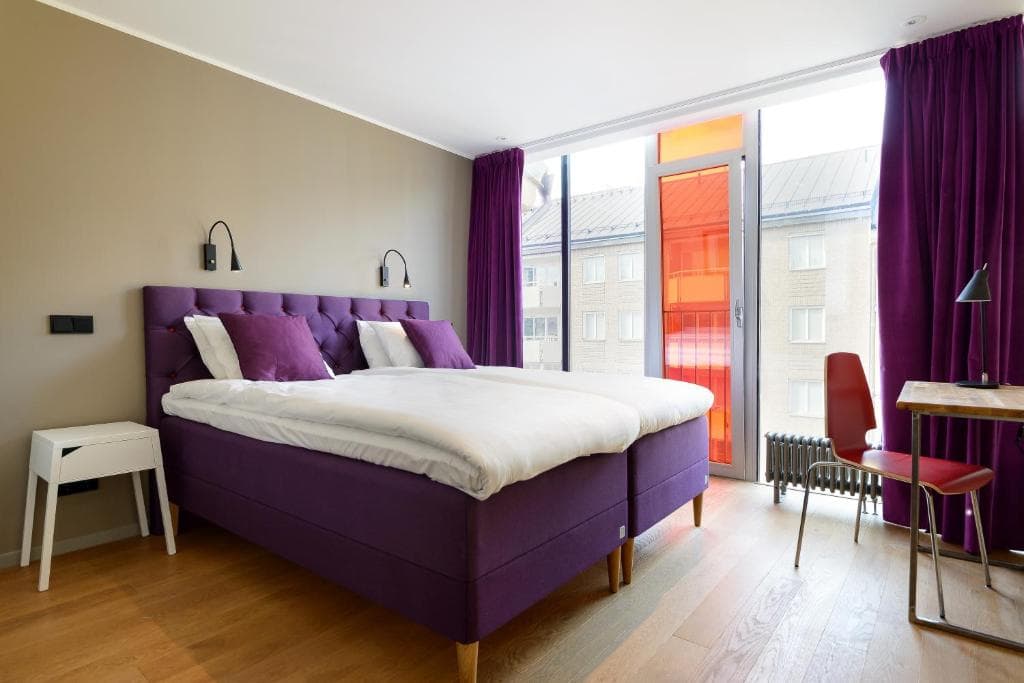
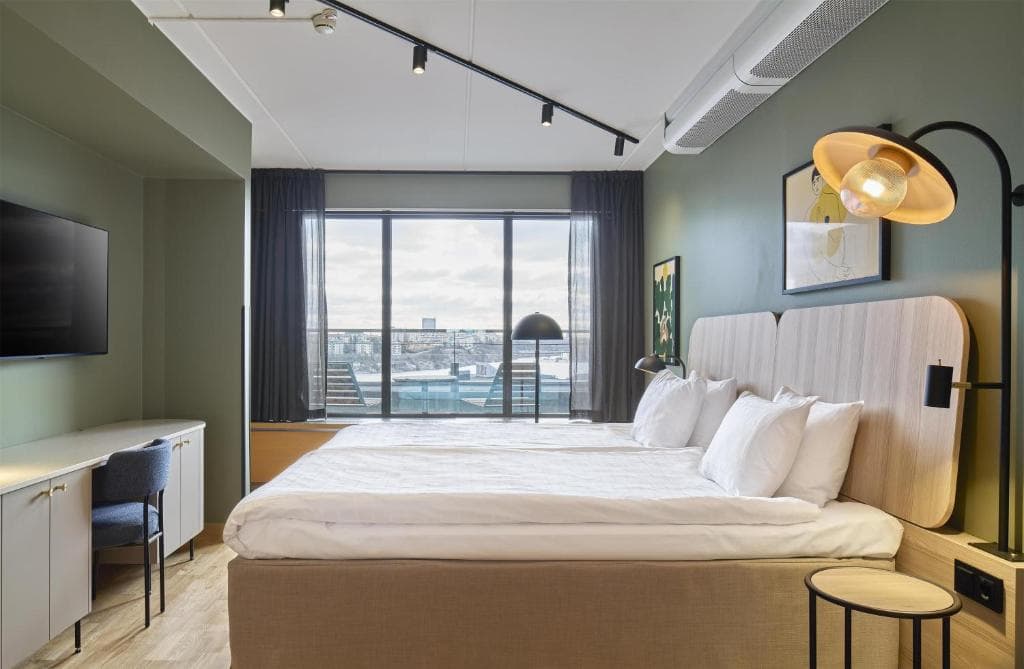
Stays I list in Stockholm:
A rough week for one person with a mid-range hotel, excluding travel:
Stay
€700–€1,200
For a hotel room with a desk
Food
€220–€350
Lunch deals (dagens lunch) are good value
Coworking
€100–€140
For five day passes
Transport
€40–€50
For a 7-day public transport pass
May–Jun
Long, light days and green nature; Midsummer in late June is a national celebration
Jul–Aug
The warmest months; many Swedes are on holiday and the city is relaxed
Sep
Still pleasant, with autumn colours
Oct–Apr
Cold and dark, with very short days in December
Stockholm Arlanda is connected to the city by the Arlanda Express train in about 20 minutes, and by cheaper commuter trains and buses.
The metro, trams, buses and many ferries use the same SL ticket. Stockholm is compact and great to explore by bike or on foot. Trains to Gothenburg take about three hours.
Sweden is part of the EU and Schengen. EU citizens only need a valid ID card or passport. If your employer is in another EU country, ask about an A1 certificate, which confirms you stay in your home country's social security system.
Take a ferry into the archipelago; some islands are less than an hour from the centre
Swim in the lake from the city beaches on hot days
Walk through Gamla Stan, the old town, in the evening light
Visit the Vasa Museum and Fotografiska
Enjoy fika in a café on Södermalm
Yes, especially in summer. Internet is excellent, coworking spaces are modern and the city is easy to live in.
Yes, it is one of the more expensive cities in Europe. Lunch deals and supermarkets help keep costs down.
Stockholm for a big city and the archipelago, Gothenburg for a smaller, relaxed city with a strong food scene.
Stockholm is part of my Sweden guide, next to Gothenburg. Compare it with other cities in my Europe guide.